
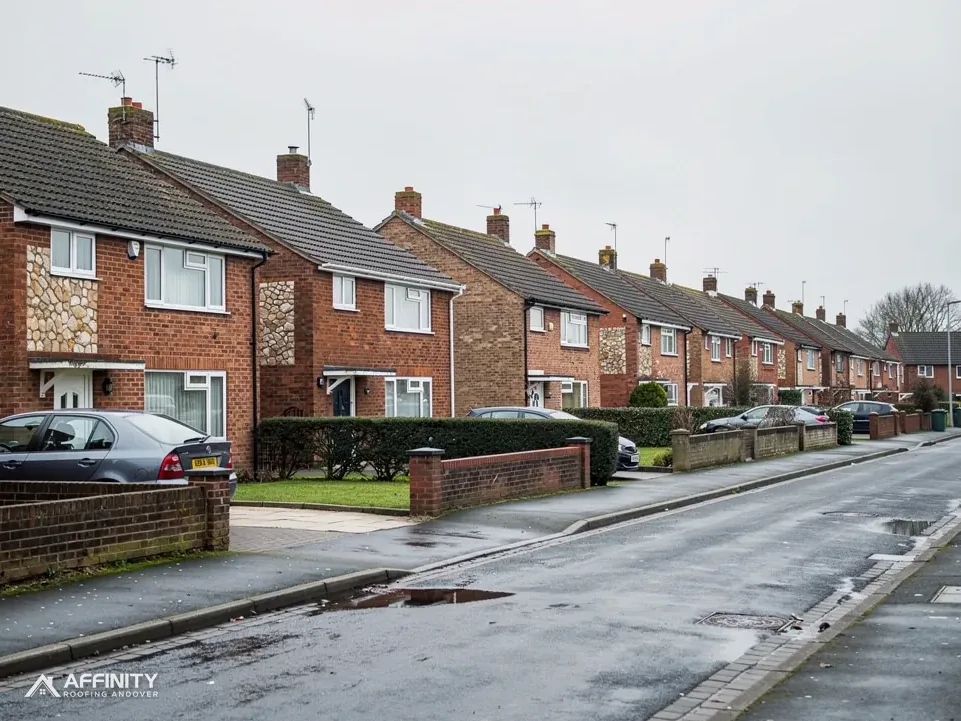
Roofers in Compton, Hampshire
Compton Street, All Saints church and the lanes towards Twyford
Compton has a conservation area along Compton Street and two Grade II* buildings close by. We survey each roof first and set out the options in plain words.
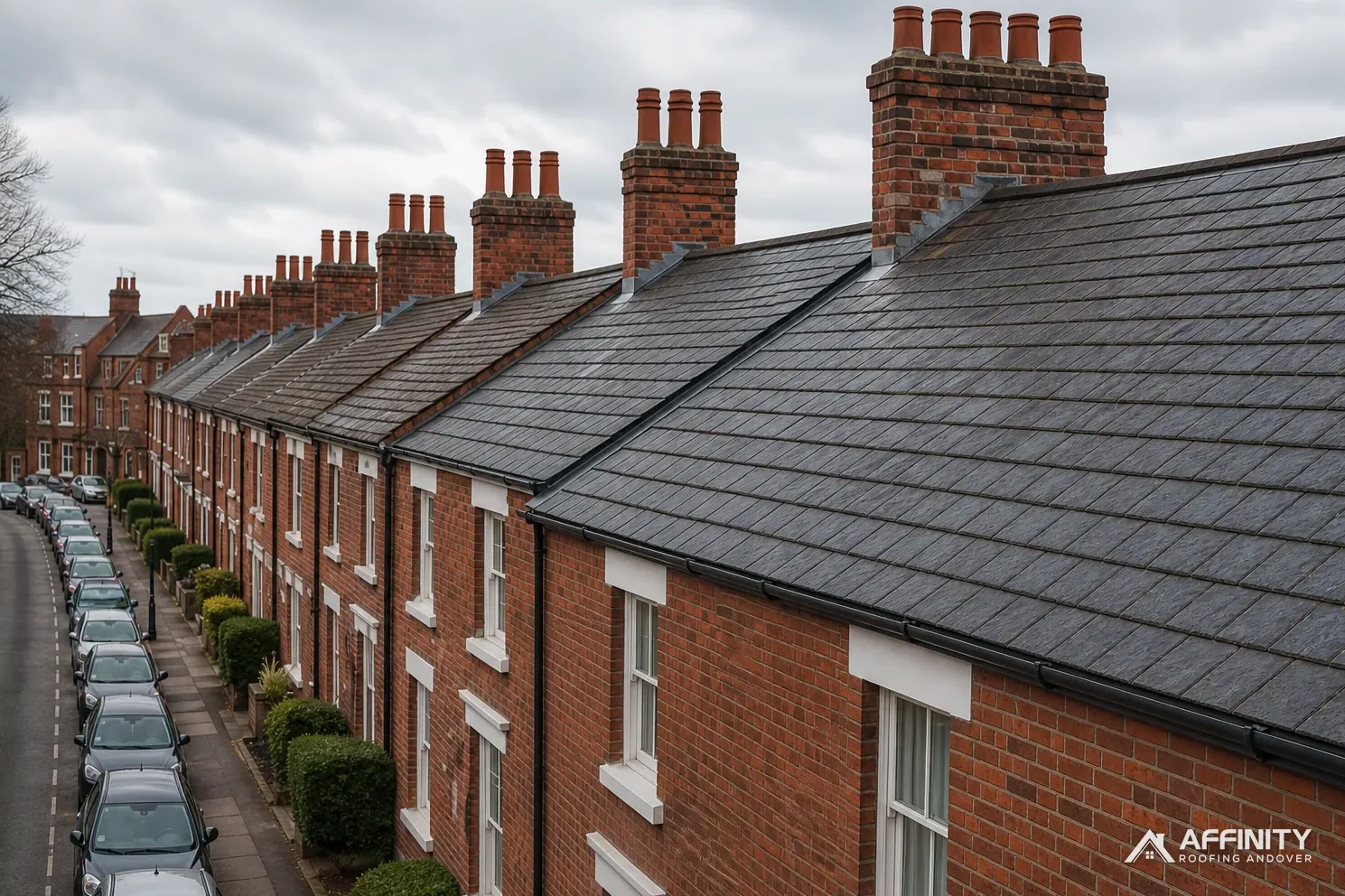
Compton roofs along the Street
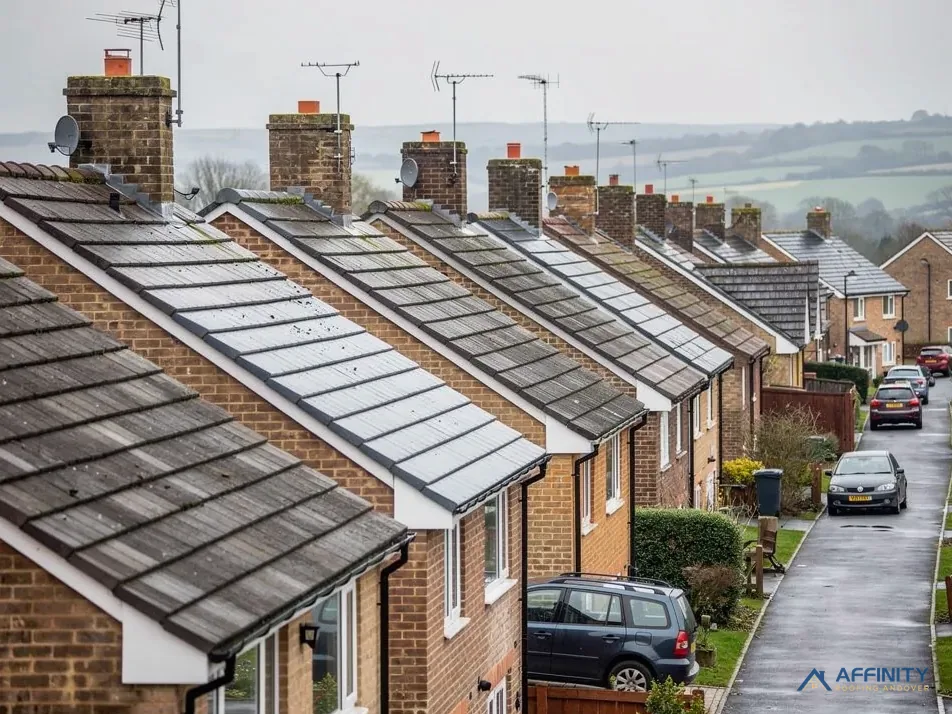
Houses on Compton Street
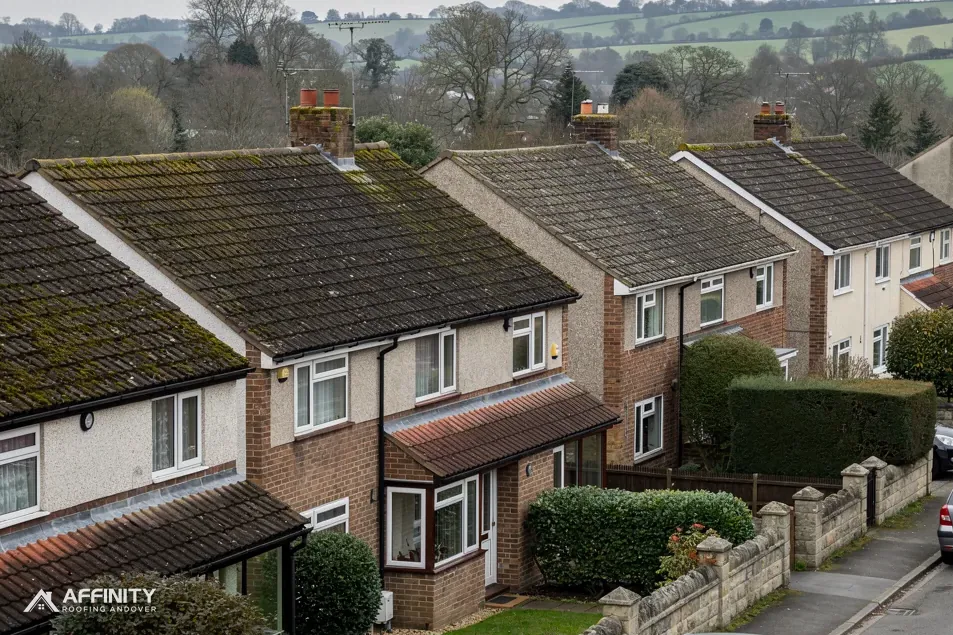
Homes within the Compton Street conservation area, where a roof's appearance concerns the council.
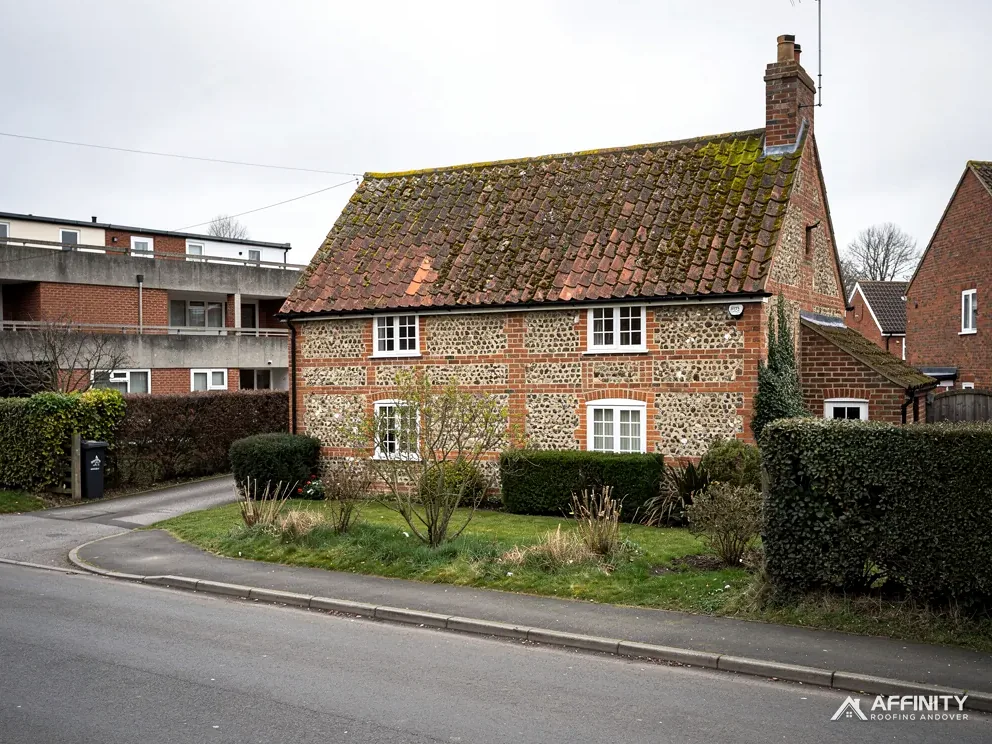
Church of All Saints
The Grade II* Church of All Saints, first listed on 5 December 1955, and the houses around it.
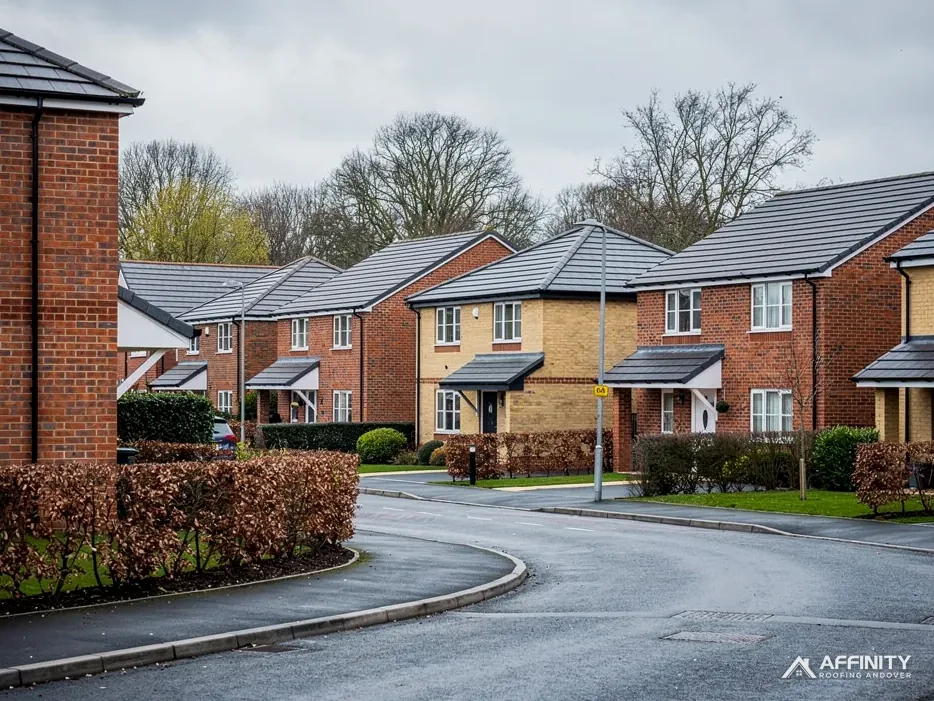
Compton End, Red House
Compton End is Grade II*, listed on 27 November 1984, and The Red House is Grade II.
Compton, a short way from Winchester
Twyford lies to the south-east and Otterbourne to the south. Winchester is north-east, Hursley west, and Colden Common and Allbrook lie to the south.
- Distance
- 19.4 road miles south-east of Andover
- Planning
- Winchester City Council
- Council
- Winchester City Council and Hampshire County Council
The Compton roof report
Local editionCompton, HampshireA village street with a long record
A village street with a long record: what Winchester asks of a Compton roof
Compton lies 19.4 road miles south-east of Andover, on the Winchester side of Hampshire. This report covers the Compton Street conservation area, the village's listed buildings, Winchester's own building control and the county's scaffold licence.
Compton Street, All Saints and Compton End
The parish of Compton and Shawford had 1,723 usual residents at the 2021 Census. Within it, the Compton Street conservation area lies within about 0.75 km of the centre of Compton, and Historic England's list records 14 listed buildings within about 500 metres. Two are Grade II*: the Church of All Saints (list entry 1157101), first listed on 5 December 1955, and Compton End (1350495), listed on 27 November 1984. The Red House (1095828) is Grade II.
In 1908 the Victoria County History gave an older picture and described a lane in Compton running "past low thatched cottages, one of which serves as the post office". That is a snapshot from long ago and tells us nothing about any roof today. If a house you own is thatched, the thatch is a job for a specialist thatcher, and we can look after the chimney, gutters and any tiled or slate parts around it.
For a Compton Street house, the roof's appearance is a matter for Winchester City Council's planners, so a change of material or colour goes to them before an order is placed. Whether an Article 4 direction applies to your address is also the council's to say, and we would sooner you had its reply than our guess. Keep it with the house papers.
A listed house needs listed building consent before work that alters its character. A church in use follows a separate route. Our guide to listed building roof repairs shows how an application is prepared.
Compton and Shawford are two settlements in one parish, and councils file by address, so the full postcode goes with every enquiry. That small habit stops a question about a Compton Street roof from landing in a file for somewhere else.
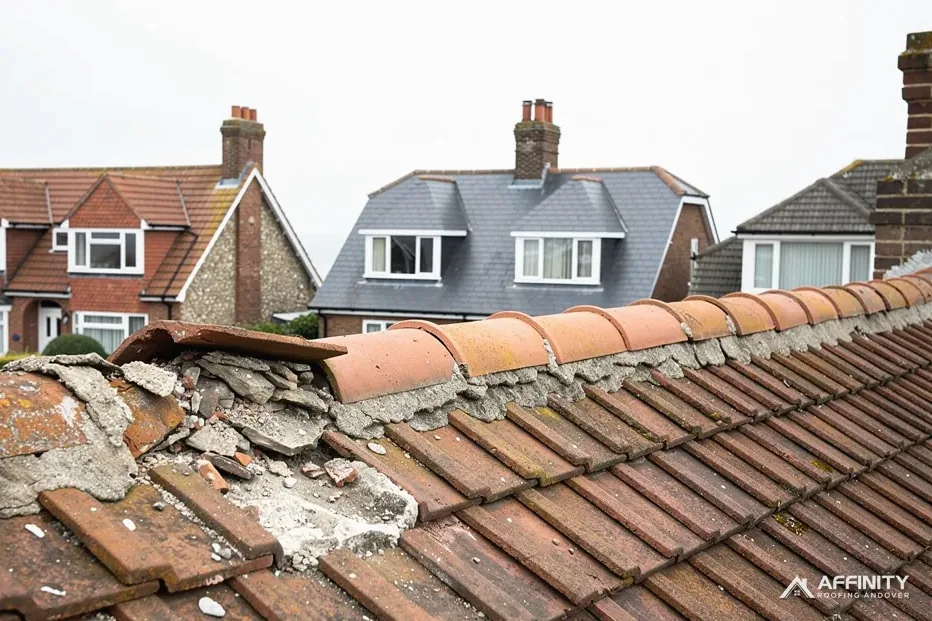
Picture a plain-tiled cottage near the Street whose ridge has begun to crack. A failed mortar bed lets water run along the top timbers, and the first sign is often a stain upstairs. The loft shows the line the water has taken, and the photographs make it clear whether the ridge alone needs re-bedding or the tiles beneath have slipped too.
Surveys here start from the lane and finish in the loft. The covering is photographed from the ground and a ladder, the fixing of each tile or slate is noted, and the ridge, verges and wall flashings get close attention. Inside we examine the rafters, battens and underlay for the damp and rot that never show from outside.
Matching is the test of good work on an old street. Reclaimed tiles of the right age and colour come first, and new ones are chosen only when none fit.
Winchester, the park boundary and the weight of tiles
Compton is in the Winchester City Council area, and the council both decides planning and runs its own Building Control service, reached through the council on 01962 840 222. Hampshire County Council sits above it as the highway authority. Winchester's building control page lists pre-application consultation among the service's functions, so a question about a re-roof can be asked before the job is booked, not after the tiles arrive.
Close by, the South Downs National Park changes the planning picture. Twyford, 1.2 miles to the south-east, is inside it, and there the South Downs park authority holds the planning decision, with Winchester City Council processing most applications on its behalf. Compton's village point lies outside the park, but boundaries run through parishes, so it is worth asking Winchester whether your address is inside. Building control stays with Winchester either way.
Building Regulations turn on two things for a re-roof. The first is how much of the building you touch: the Planning Portal draws its lines at 25 per cent of the building envelope and 50 per cent of the roof, and under both no application is usually asked for. The second is weight. Should the covering turn out 15 per cent heavier, or more, approval follows whatever the size, with a structural check first.
Imagine a larger job on a Compton Street house: a whole slope stripped, the battens renewed and new tiles laid. Before the order goes in, what is on the roof and what is proposed are compared on weight, the existing timbers are checked in the loft, and the conservation area is checked for anything the planners would want to see. Only then is a price written.
Compton End and the church are listed Grade II*, which is the second-highest grade. A repair on either needs the right consent route, and a neighbour's roof needs a courteous word with the owner. We make that call before the frame is booked.
A private building control approver is the alternative to the council, and either route can handle a roof. We say at the survey which we would use. The council's pages carry no percentage of their own for roof coverings.
Small repairs rarely come near any of this. A cracked ridge tile, a failed lead flashing or a blocked valley is maintenance, and the survey note records that plainly, so you know no consent is in play.
What you receive is the set of photographs, a plain description of each fault, the route the work follows and a written total.
“Twyford, a mile from Compton, sits inside the National Park, so the boundary question is worth asking.”
Hampshire's scaffold licence for Compton lanes
A scaffold with poles in the public highway needs a licence under section 169 of the Highways Act 1980. For Compton the grantor is Hampshire County Council, not Winchester. Its rules fit on a short list.
- Who applies: the scaffolding company, for its customer, to Hampshire County Council
- Notice: 10 clear working days before the licence begins, with no extensions
- Fee: Hampshire County Council charges £211.90 on application for the first 2 weeks, then £72 for each further 2-week period
- Standard: BS EN 12810/12811 or NASC guidance TG20:13
- Private roads: no licence needed
Waiting is expensive on a scaffold. Tiles, battens, underlay and lead are delivered and checked before the frame is built, and the date for striking it is agreed with the scaffolder when the booking is made. If rain stops the roof, the dates are reviewed with you, and the open slope is sheeted.
Most lanes in a village like this give choices. A house set back behind a garden may keep the frame wholly on its own land, so no licence is needed at all. A cottage opening on to the Street is the other case, and then the notice, the fee and the weeks all count. We settle which you have at the survey.
The notice period shapes the programme. If a consent decision is pending, the scaffold booking waits for it. Once the date is fixed, materials arrive first and the frame follows, so the fee covers working weeks and not waiting ones.
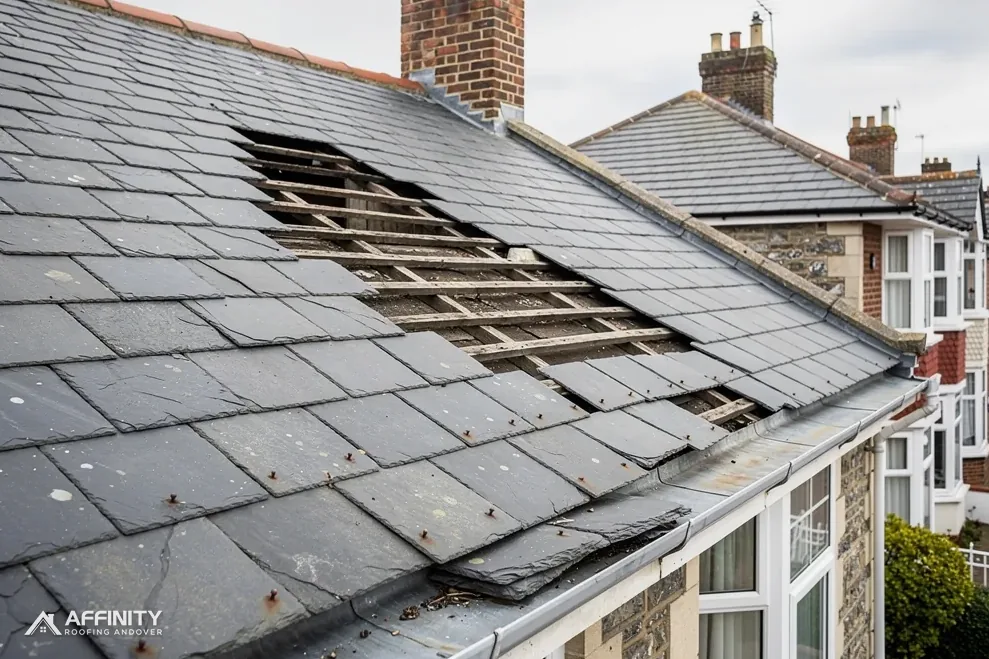
The work Compton owners ask for is practical. Roof repairs answer loose tiles and lifted flashings. Slate roofing covers re-laying and fixing. Lead roofing handles valleys, soakers and stepped flashings, which is where older roofs often leak first, long before the covering gives up.
A lane is shared, so the lowest platform is fenced, the boards are fixed and netting catches debris. Neighbours are warned beforehand, deliveries come at quiet moments, and the site is secured at dusk.
Time spent on site is money spent on the licence, which is charged by the period. We therefore hold the frame back until materials have arrived, check the forecast before the scaffolder is committed, and agree a strike day at the outset, so that a wet week does not quietly become a second fortnight on the invoice.
A scaffold is also a place where somebody might climb who should not. The lowest ladder is removed or locked at night, and anything loose is brought down before the crew leaves, so that a village street is never left with an invitation.
When the job ends, the rubbish is gone and the photographs are yours.
Services for roofs in Compton, Hampshire
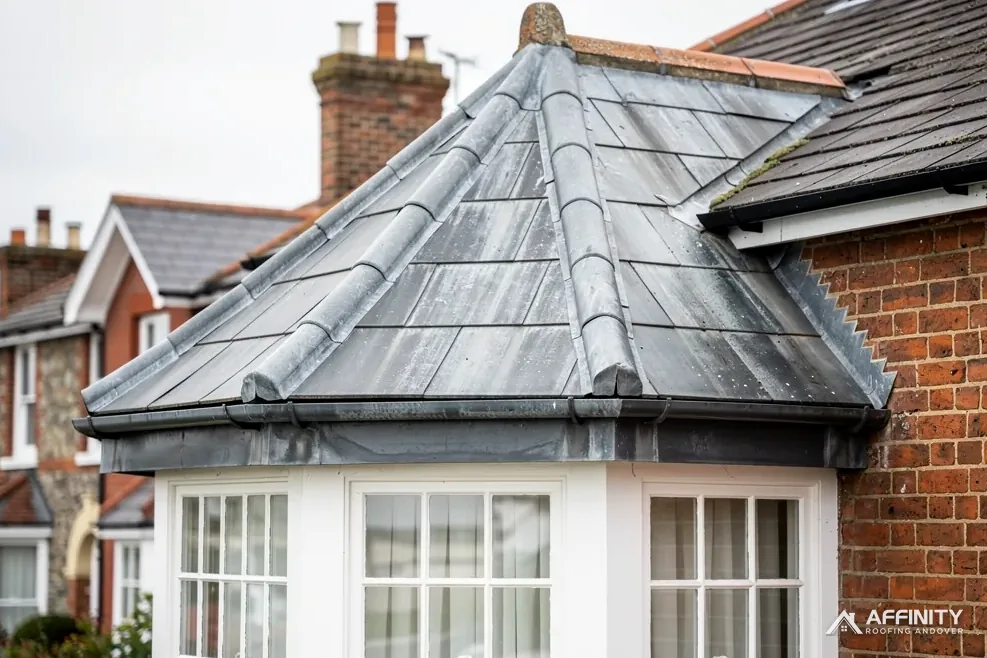
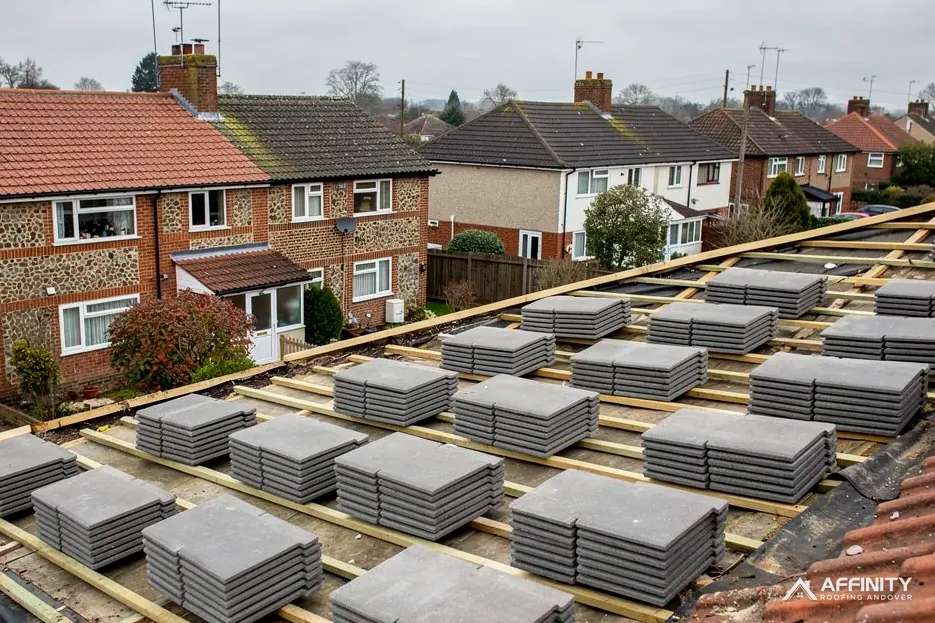
Compton roofs: the Street, the park boundary and the licence
Can I change tile colour on a house in Compton, Hampshire, inside the conservation area?
Inside the conservation area, a roof's appearance is Winchester City Council's business and part of its planning remit, so a new colour or material should be cleared with its planners first. Restoring the old tiles is the simplest route. Ask the council about Article 4 directions too, and keep the replies together in one folder with the survey note.
My Compton cottage is thatched. Who repairs the thatch?
The thatch itself belongs with a specialist thatcher, who should be your first call. We can survey and repair the other parts of the house, such as a chimney stack, lead flashings, gutters or a tiled extension, and we will tell you what we would check if you describe the roof and send a photograph.
Does the South Downs National Park cover Compton?
Compton's village point is not recorded as inside it, though Twyford, 1.2 miles away, is. Winchester City Council can tell you whether your own address lies within the line. If it does, the park authority decides planning. Building control remains with Winchester City Council, so there are two bodies to consult.
What will a Compton scaffold licence from the county cost?
Hampshire County Council charges £211.90 on application for the first 2 weeks, then £72 for each further 2-week period. The scaffolding firm files with Hampshire County Council, giving it 10 clear working days of notice. Scaffold that stays entirely inside your boundary needs no licence, so the survey looks at the plot first and the note says what applies to you.
Round Compton: Twyford, Otterbourne and Winchester
Arrange a survey for your Compton roof
Give us your lane and a photo. A survey first, then the consents, then a written total.
10-year workmanship guarantee, in writing.