The short answer
It helps a little, but less than it sounds. A guarantee from the firm that sprayed the foam is only as good as its wording, what it actually covers and whether that firm is still trading. It sits beside your legal rights over the work, not in place of them, and it does not settle a lender's or surveyor's concern about foam over roof timbers.
What the certificate actually covers
Pull the document out and read it slowly, because the title says little. Some papers cover the product, meaning the foam itself, for a stated number of years. Others cover the labour of the spray crew. Many cover only a narrow fault, such as the foam lifting away from the surface, and say nothing about what the foam does to the timber underneath it.
Look for four things in the wording. Who gives the promise: the installing firm, the manufacturer, or an outside scheme. What is named as a defect, and what is excluded. Whether the cover lapses on a sale of the house or when another trade works on the roof. And what the remedy is: repair, refund, or removal.
A promise to put right a fault in the foam does not usually pay for opening up a loft, checking the rafters and re-insulating afterwards. If the paper does not mention the roof structure, moisture or ventilation, assume it is silent on them. Whether the foam is intact is a different question from how the roof beneath it is behaving. Our guide to the spray foam survey explains how that check is done.
Your rights as a customer sit beside it
A guarantee is something a firm chooses to offer. Your rights under the Consumer Rights Act 2015 exist whether or not you were given one. Section 49 sets one standard for paid work, reasonable care and skill, and sections 54 and 57 set out the remedies if it was not, with the law saying a trader cannot exclude that liability. If a piece of paper tries to take those rights away, the law does not accept it.
That matters because many guarantee documents read as if they are the only protection. They are not. The practical difficulty is different: a right only helps if there is someone to pursue, and a firm that has closed or changed its name leaves you with a claim and no one to make it against.
If you are unsure where you stand, Citizens Advice runs the consumer helpline on 0808 223 1133. The DMCC Act 2024 (section 308) also requires a trader to tell a dissatisfied customer about any dispute-resolution arrangement open to them. Keep the contract, the invoice, the product data sheet and any photographs taken during the spray work.
How a lender or surveyor may still see it
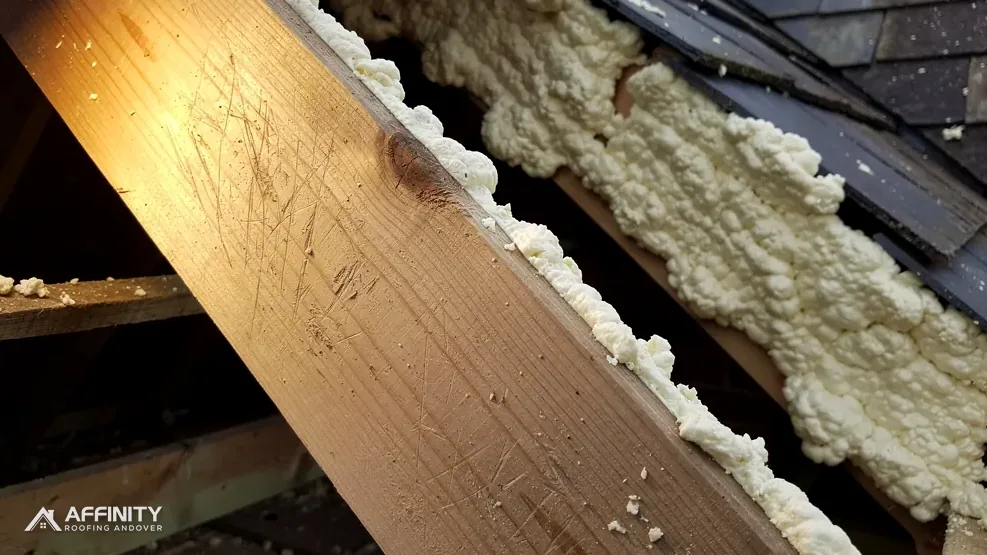
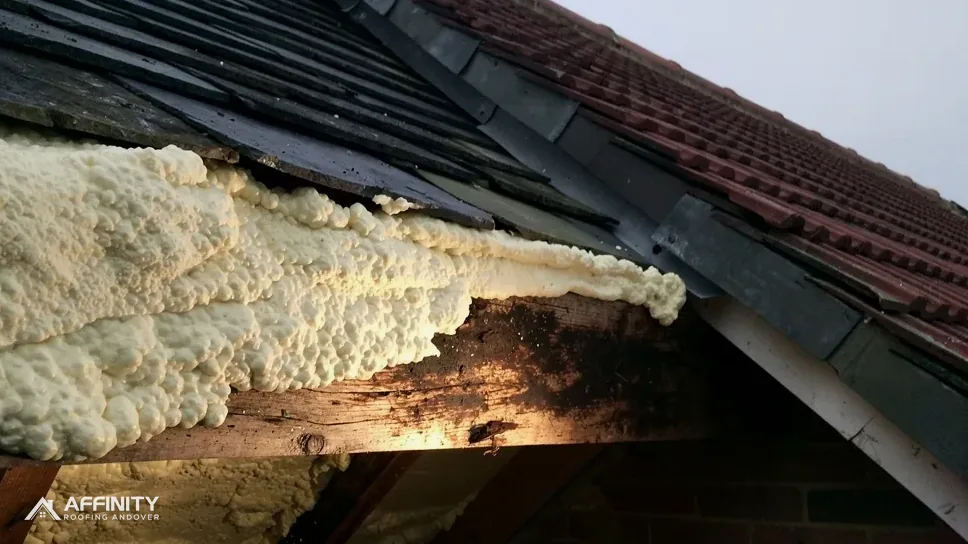
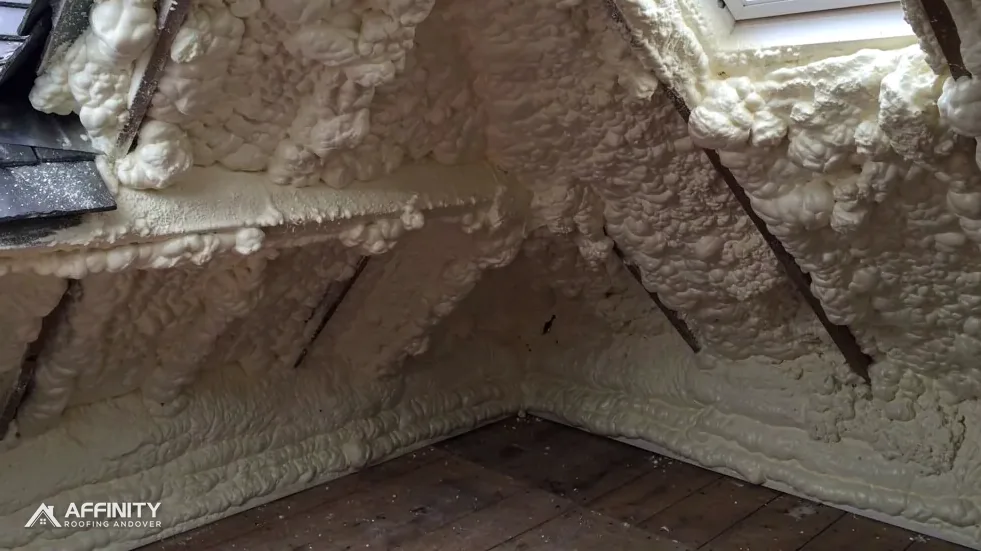
A guarantee does not change what a valuer or conveyancer sees when they climb into the loft. In March 2023 RICS reported worry in parts of the lending market about foam, equity release among them. Its consumer guide adds that foam over the roof timbers stops them being fully inspected.
That second point is the one a certificate cannot fix. A promise that the foam will not fail says nothing about the condition of the wood behind it, because nobody can look. A surveyor who cannot see the timbers may report that, and a lender may then ask questions of its own. RICS advises checking with your mortgage provider about its policy, and that is sound advice before you buy, sell or remortgage.
A document describes a product, whereas a surveyor describes a roof. So treat the guarantee as one document in the file, useful for showing who did the work and when, and not as an answer to a lender. If a buyer's survey raises the foam, our pages on selling a house with spray foam and the RICS spray foam guidance set out the options.
When removal is the better route
There are loft situations where the guarantee, however well written, does not get you what you need. The foam may be hiding a leak you cannot trace. A buyer may refuse to proceed until the timbers have been seen. The installer may no longer exist, or may dispute that the fault is theirs. In those cases the question stops being what the paper says and becomes what is actually under the foam.
That is where a survey earns its place. We enter the loft, take pictures of the foam and the roof structure within reach, and tell you in plain words what we found. Sometimes the timbers look sound and the foam can stay, with the evidence in your file for a future buyer. Sometimes the right answer is partial or full removal, and we tell you so with the pictures beside it.
Either way, nothing is started until you have agreed what happens next, and the paperwork you already hold helps us do that. Before you decide, have the installer's paperwork to hand, as it shows us what product went in and when. The whole process is set out on our spray foam removal page.