The short answer
If the roof needs replacing and you intend to have panels, doing both together makes sense. The roof is open, the scaffold is up and the panel fixings can be planned into the new covering. There is also a VAT point: under HMRC's Notice 708/6, qualifying energy-saving installations carry no VAT if completed by 31 March 2027. Planning checks differ from address to address.
Why timing the two jobs together helps
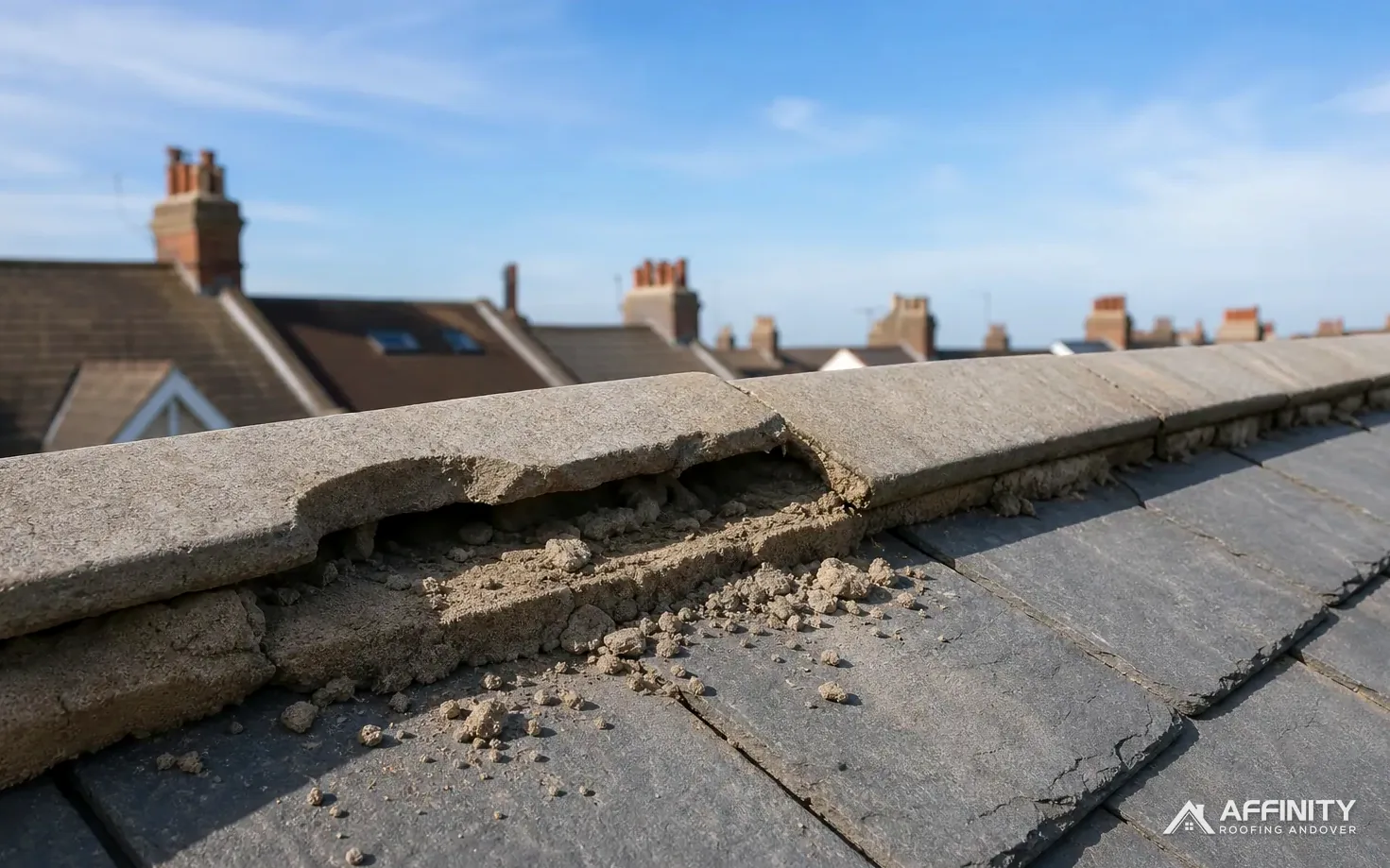
Solar panels are fixed to the roof structure through the covering, on rails or brackets that sit on the rafters, the sloping timbers. If the covering underneath is close to the end of its life, the panels must come off again when it is renewed. Lifting and refitting them is a job in itself, and the area beneath them cannot be seen or repaired while they stay up there.
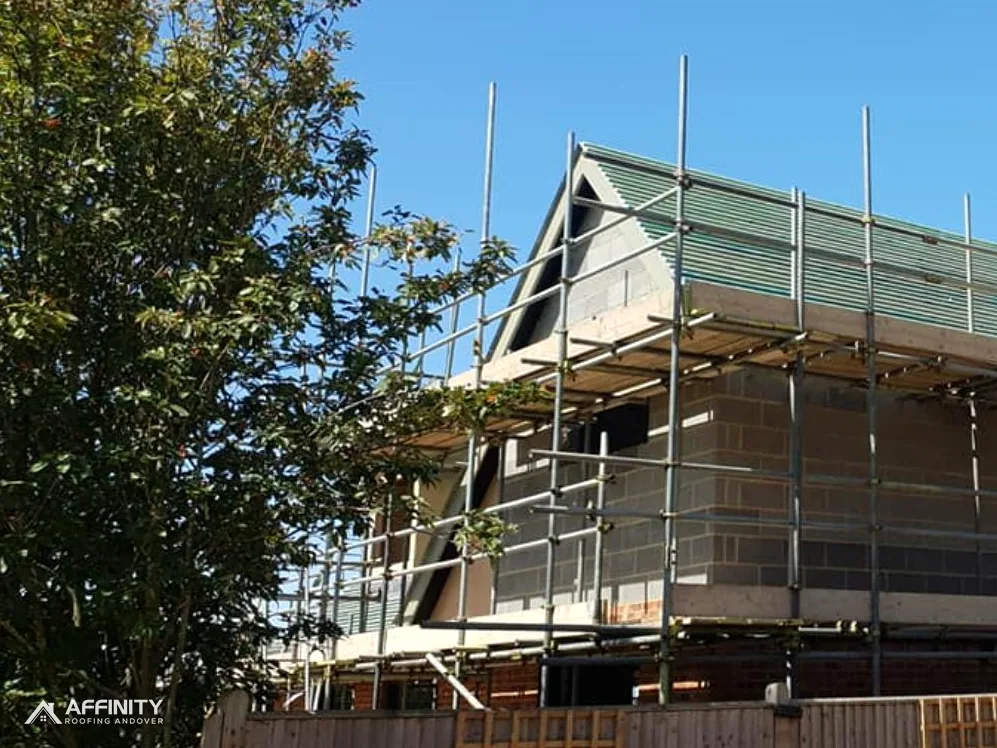
Re-roofing first, or at the same time, gives a fresh covering, new battens and new underlay beneath the whole array. The brackets can be fixed to sound timber, and their weatherproofing becomes part of the roof build-up, not an afterthought. One scaffold serves both jobs, and the order of work is simple: the roofer finishes the covering and the panel installer follows, so the two firms never need to work on the same patch of roof together.
If your roof is sound and has many years left, there may be no reason to re-roof. A survey tells you which case yours is, and our page on solar panels on a tiled roof covers the fixing side. If only part of the roof needs a new covering, read partial roof replacement too, and the roof replacement hub for the full job.
VAT and the zero rate to 31 March 2027
The standard VAT rate is 20 per cent. HMRC's Notice 708/6 on energy-saving materials and heating equipment applies a zero rate to installations made between 1 May 2023 and 31 March 2027, and a reduced rate of 5 per cent from 1 April 2027. For a qualifying installation, the date it is made becomes a real factor in the cost.
Do not stretch this beyond what it says. The zero rate covers installations of the materials named in the notice, and solar panels are on that list. It does not turn a re-roof into a zero-rated job, and roof repairs do not carry a blanket 5 per cent rate. Whether your particular installation qualifies is for the installer, and if needed HMRC, to confirm before you sign.
A homeowner never meets the domestic reverse charge, which only operates when one VAT-registered business supplies another inside the Construction Industry Scheme. In any written quote, check whether VAT is included and at which rate, for the roof and for the panels separately if different firms supply them. Our new roof cost guide gives the typical UK ranges for the roof itself.
Planning and Article 4 wording
Class C, the permitted development class for roof alterations on a house, leaves solar panels outside its own permission, so panels follow their own rules, and your local planning authority is the place to check them. A flat has no permitted development rights at all, and a listed house also requires listed building consent.
Conservation areas are where solar wording is on record. Four Basingstoke areas are named in Basingstoke and Deane's Article 4 material: South View, Fairfields, Brookvale West and Basingstoke Town Centre. There, installing any solar panels, including to the roof, is listed among the changes needing planning permission. That applies to those four areas, not to the whole borough, and a panel installer working elsewhere should still check.
In Andover itself and the villages round it, put the question to the council whether an Article 4 direction or a conservation area covers your street before you order anything. Our guide to re-roofing in a conservation area lists the questions to put. Give the full postcode when you ask, since the answer turns on the exact address, and keep whatever reply you get with your roofing papers so it is to hand when the installer arrives.
Weight, access and the order of work
Panels, rails and cabling add load and make holes in the covering. Approved Document A calls a loading increase significant above 15 per cent, and the Planning Portal says approval is needed for a new covering 15 per cent or more heavier, with a structural check advised. Ask the installer what the array weighs on your roof and have the structure confirmed before ordering.
Agree the order of work. Normally the roofer strips and re-covers, the lead and flashings are finished, and the installer follows once the roof is watertight. Fixing brackets before the underlay is complete invites leaks at every penetration, so settle in writing who is responsible for each junction.
Keep roofer and installer talking. Ask the installer for rail positions before the battens go on, so the fixings land on timber. That conversation is one we are glad to have at the survey, before the written price is set.