The short answer
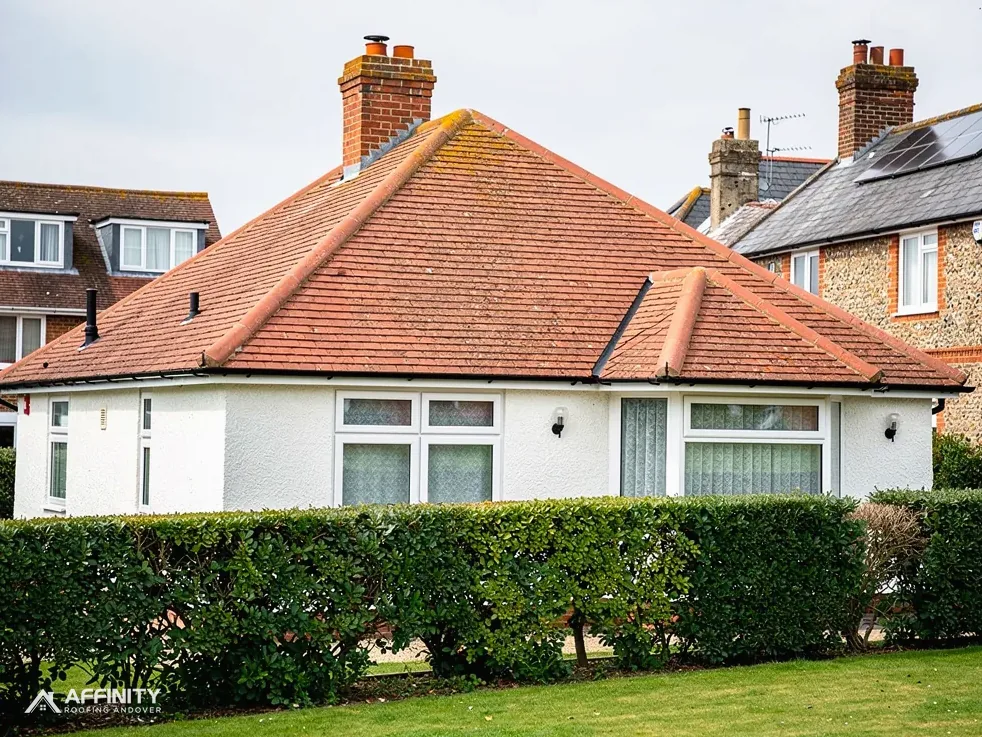
Solar panels can be fixed to most tiled roofs, but not every roof is ready for them. The roof has to be sound enough to carry them for as long as they will be there, and some homes need planning permission or consent first, such as flats, listed buildings and homes in certain conservation areas. Check the roof, then check the rules.
The roof comes first
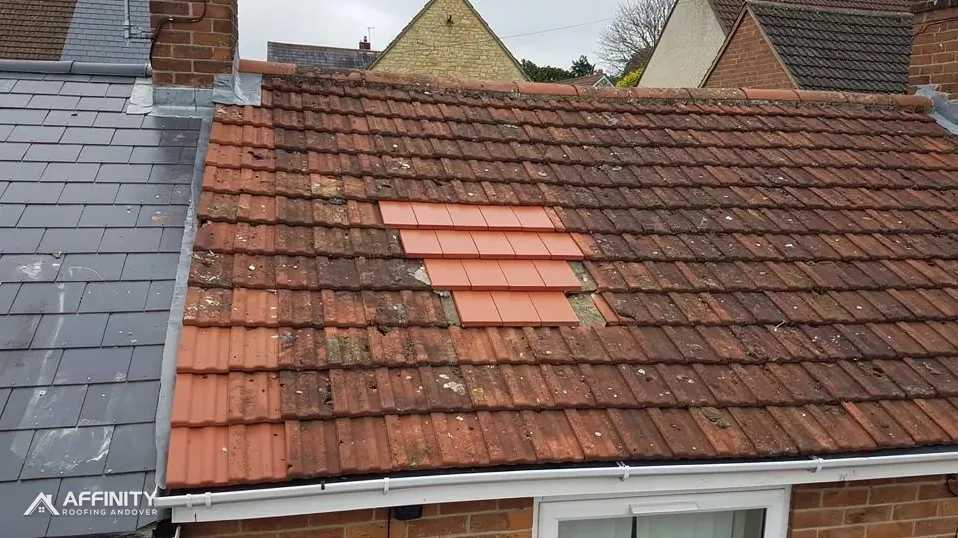
Solar panels are fixed to brackets that go through the tiles onto the rafters. Once they are up, the area beneath is hard to reach. A cracked tile, a worn batten or a perished underlay under the array becomes expensive to repair, because the panels may have to come off and go back on before a roofer can get at it.
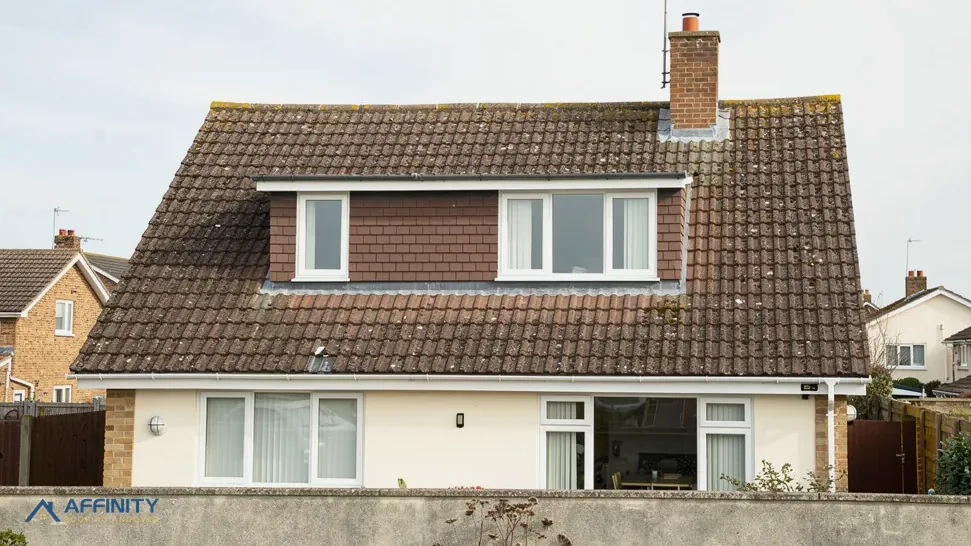
So the first question is the age and condition of the roof. Lifespans are only typical. Marley gives roof tiles around 60 years but stresses that it offers no guarantee, while HomeBuilding gives plain concrete tiles 40 to 50 years. A roof late in that range should be surveyed before panels go on, not afterwards.
Our survey covers the tiles, battens, underlay and flashings, and the timber beneath them, with photographs of each finding. If the roof needs work, the sensible time to do it is before the array goes up, while the slope is clear. If the roof is sound, you can say so to the installer with confidence. Our guide on how long concrete roof tiles last gives the typical ranges in full.
Weight, fixings and what the installer checks
Panels add weight and wind load, and the brackets must be fixed to the rafters, not just the battens. A competent installer checks the structure, the pitch and the direction of the slope before designing the layout, and a roofer should check that the tiles around each bracket are cut and sealed neatly so water cannot get in.
The Planning Portal's rule on weight concerns a new roof covering that increases the roof's weight by 15 per cent or more, which needs Building Regulations approval. Panels are not a covering, so that rule does not simply apply, but the principle is the same: if you are unsure about the structure, ask a structural engineer or surveyor before the work starts.
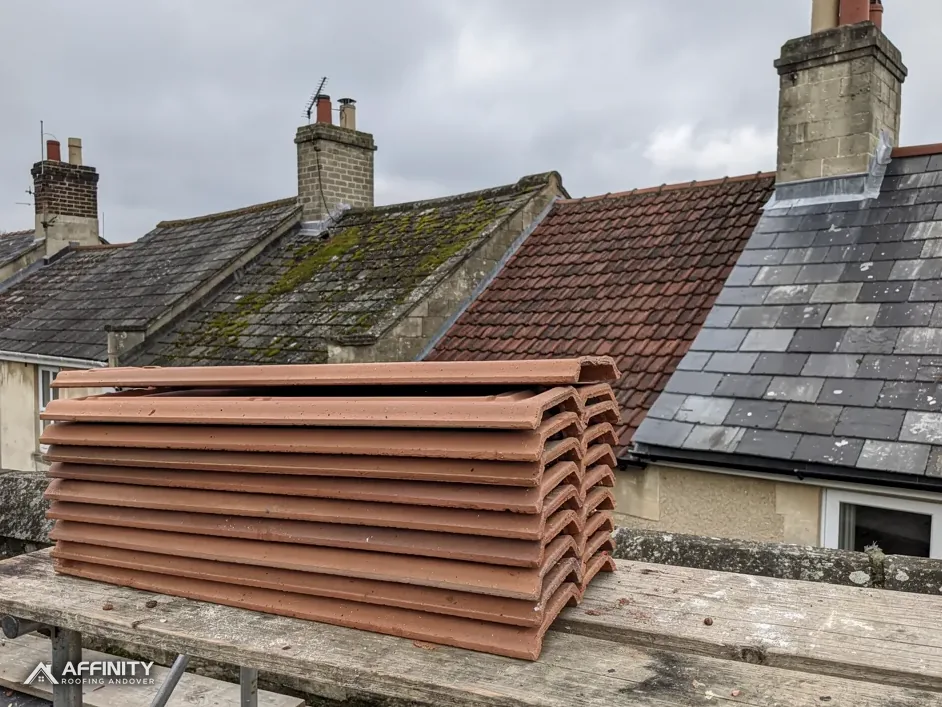
Fixings also need to suit the tile. Interlocking concrete tiles, plain clay tiles and slates take different brackets, and a bracket that does not match the profile can crack tiles or leave a gap. If tiles have to be removed and relaid around the array, the work should be done by a roofer, and our pitched roofing team can do that part with the installer.
Permission, conservation areas and Basingstoke
Whether panels need planning permission depends on the property and where it stands. The rules for re-roofing, Class C of the permitted development order, do not cover solar installations, which are dealt with separately, so do not assume that because a re-roof is permitted, panels are. Flats have no permitted development rights as houses do, and a listed home needs its own consent route for works that affect its character.
Conservation areas and Article 4 directions matter too. Basingstoke and Deane's Article 4 directions in Fairfields, Brookvale West, South View and the town centre list the installation of any solar panels, including to the roof, as needing permission there. That wording belongs to those Basingstoke areas. Elsewhere, check whether an Article 4 direction applies with your council.
At an Andover address, the council to ask is Test Valley Borough Council, whose planning team can tell you whether your home sits in the Andover conservation area or has any other restriction. It costs nothing to ask before you order. We can help by photographing the roof and describing its condition for any application.
VAT on panels and what the roofer adds
Energy-saving materials, which include solar panels, are zero-rated for VAT on installations made between 1 May 2023 and 31 March 2027, according to GOV.UK's Notice 708/6. From 1 April 2027 the rate returns to 5 per cent. The standard rate of 20 per cent applies to the rest of the roofing work, such as repairs to tiles or battens, so ask the installer and your roofer to show how each part is treated, and check whether a quote includes VAT.
Panels do not turn a roof repair into something a grant pays for, and each energy scheme sets its own eligibility, so a household cannot assume it qualifies. A new roof is not paid for by any national grant.
Access has a cost too. A tower or scaffold is needed to work safely on the slope, and any highway licence is arranged by us with the scaffolder. The one written price follows the survey. Ask the installer what the panels cost to remove and refit if the roof beneath ever needs major work, because that temporary lift is a cost worth knowing about before you sign. Ask your roofer, too, whether the tiles under the array have any life left, so both jobs can be planned together.