When a roof is damaged, there are two jobs and they rarely belong in the same visit. The first is to make the building safe: stop the rain coming in, secure anything that could fall and protect what lies beneath. The second is to repair the roof properly, which needs a survey, the right materials, access equipment and sometimes a wait for dry weather.
Mixing the two up causes trouble. A temporary cover left in place for months, without a plan, can hide a fault, fail in the next gale or trap moisture. A permanent repair rushed in the dark, in the rain, can be done badly and cost more later. Keeping the jobs separate, and being clear about which one you are paying for, protects the house and your money.
This guide explains what making a roof safe involves, what a temporary repair can and cannot do, what to photograph and keep for your insurer, what the law says about cancelling urgent work and how the permanent repair follows. It is general information and promises no insurance outcome. The roofer makes a leaking roof safe first, then surveys, and writes one price for what comes next.
What making a roof safe actually means
A make-safe visit has a narrow aim: to prevent further harm until the proper repair can be carried out. It is not the repair, and it should not be priced or described as one.
Two kinds of hazard
The first is water. Rain through a gap in the covering soaks insulation, brings down ceilings and runs towards electrics. The second is falling material: loose tiles, a leaning chimney pot, a displaced ridge or a branch lying across the slope. Either can injure someone or cause damage that costs far more than the fault that started it.
What the visit is meant to achieve
The roofer assesses the damage, decides what is urgent, and does the minimum that stops the water or the danger. That might be a covering over a gap, removal or securing of loose pieces, or a patch at a failed junction. Anything beyond that is the permanent repair.
Who should do it
Work on a roof is work at height, and tiles and slates can crack under foot. It is a job for someone with the equipment and training, and an owner should stay off the roof. If you are worried about people below, clear the area and keep them away until the roofer arrives.
Not the same as a quick fix
A make-safe is temporary by design. A roofer who says it will last indefinitely is selling you something else. Ask how long it is expected to hold, in what weather and what you should watch for.
The wider service is described on our roof repairs hub.
What a make-safe visit usually covers
The content depends on the damage, but a few measures recur.
Covering a gap
Where tiles are missing or a section of roof is open, the roofer may fix a waterproof sheet or board over the area, secured so wind cannot lift it. Our answer on a tarpaulin on a leaking roof explains why fixing and tension matter more than the sheet itself.
Securing loose parts
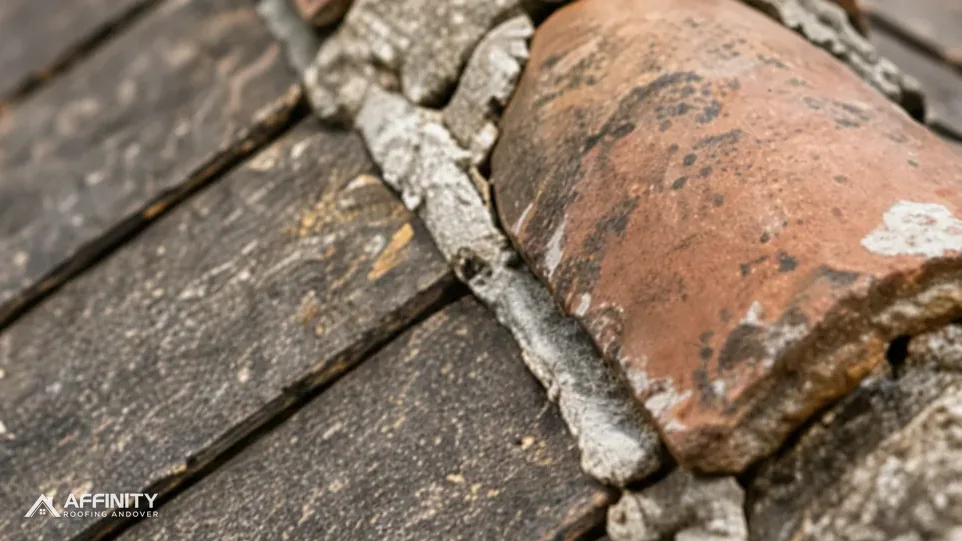
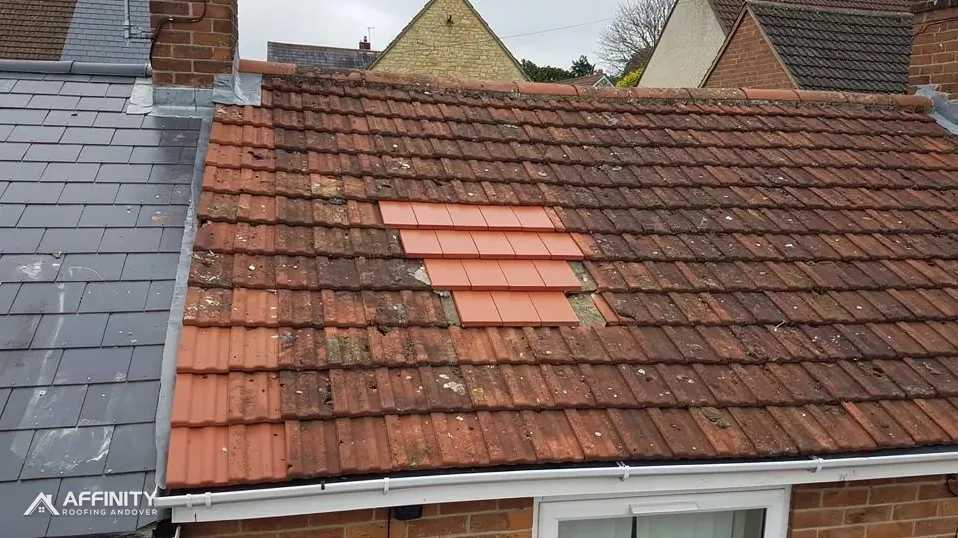
Slipped tiles are re-set or removed, a loose ridge piece is held down and a leaning pot is taken off the stack. The aim is to stop things dropping on people or cars.
Patching a junction
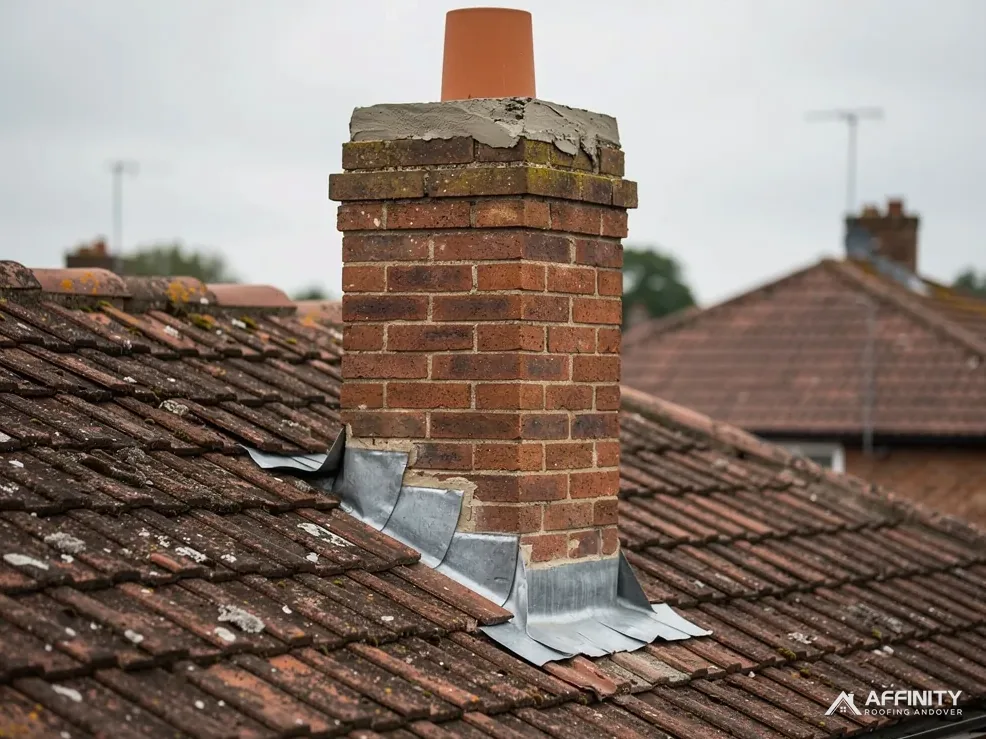
A failed flashing at a chimney or wall can be patched with a temporary material to stop the immediate flow, with lead or other metal replaced properly later.
Clearing a blockage
A blocked valley or gutter sending water into the wall can sometimes be cleared on the spot, which cures the immediate overflow.
Protecting the inside
The roofer may advise lifting damp insulation, drilling a drain hole in a ceiling that is holding water, or isolating electrics. Those are matters for care, and you should follow the advice given on the day.
Photographs
The roofer should photograph the damage before touching it, then the temporary measure afterwards. You should receive the pictures. They tell you what was done and what remains, and they are the first thing an insurer or a second roofer will want to see.
A note of what remains
You should come away knowing what is temporary, what is outstanding and what the next step is.
Keeping the evidence for an insurer
If the damage may be an insurance matter, the order of things matters. Insurers expect you to limit further loss, and they expect evidence.
Tell the insurer first
Ring your insurer before permanent work is arranged, and find out what it needs from you. Some have approved contractors, and some want to inspect before anything is altered. Make-safe work is normally expected of you, so confirm that it is covered.
Photograph before and after
The Institution of Structural Engineers stresses that a claim rests on pictures, since they show the insurer the damage as it was. Record the roof, the loft and the rooms below, wide and close, before any work. Then record the temporary measure. Our answer on photographing roof damage shows how.
Keep every receipt
The make-safe invoice, materials, and any costs of alternative accommodation or damaged contents should all be kept. Write down the dates and times as you go, and file the lot together so nothing has to be reconstructed months later.
No promise of a payout
Whether a claim succeeds turns on the wording of your policy and the cause of the damage. We cannot say that an insurer will pay, and we do not handle claims. We supply the survey and photographs, and you pass them on. Our guide to storm damage and home insurance explains how the Financial Ombudsman looks at storms.
Do not throw things away
Keep broken tiles and damaged items until the insurer has said it does not need to see them.
Your rights when you call for urgent work
People who call a roofer in an emergency are in a weak bargaining position, and the law recognises both the urgency and the risk.
Urgent repairs and cancelling
The ordinary 14-day cancellation right applies to contracts made away from the trader's premises, for example one you sign at the kitchen table after a survey. But regulation 28(1)(e) of the Consumer Contracts Regulations removes that right where you have specifically requested a visit from the trader for the purpose of urgent repairs or maintenance. Citizens Advice agrees that inviting a firm in for urgent repairs gives you no automatic cooling-off. So an emergency make-safe cannot be cancelled and refunded in the way that ordinary home improvement can.
The permanent repair
The permanent repair is usually a separate contract, made after a survey. The cooling-off period is 14 days, ending at the end of the 14th day after the contract is entered into. If the trader does not give you the cancellation information, the period can extend by up to 12 months. If you want the work to start inside that period, you must make that request in writing that lasts, an email for instance.
Reasonable care and skill
Section 49 of the Consumer Rights Act 2015 sets a standard of reasonable care and skill for every service, emergency work included, and no contract can remove it.
Where to get help
For consumer advice, Citizens Advice runs a helpline on 0808 223 1133. Citizens Advice also suggests written quotes from at least three traders when there is time. Our answer on cancelling an emergency roof repair covers the detail.
Warning signs when you are in a hurry
Urgency makes people easy to pressure. A few signs suggest a make-safe visit is turning into something else.
An uninvited caller
A trader who knocks after a storm and says they have spotted damage deserves caution. Our answer on roofers cold calling after a storm explains what to do. If you call the roofer, the urgent-repair position above applies. If they call on you, you may keep ordinary cooling-off rights.
Pressure to agree the whole job now
A temporary repair should not need a large permanent contract signed on the roof. Separate the two. Make safe first, then survey, then decide.
Vague descriptions
You should be told what is being done and why, with photographs. A description such as it is all rotten, with no evidence, is a reason to pause.
A price with no basis
A figure given before anyone has looked is a guess. For scale, MyJobQuote gives emergency call-out charges typically from £150 to £300 (Oct 2026), which covers the visit and can include a temporary measure. Treat a call-out price far above that as a reason to ask questions.
Payment demands up front
Asking for the full payment before the work is done is a warning. Agree payment terms in writing before the work starts.
Nothing in writing
Even in an emergency, ask for a short written note of what was done and charged.
The permanent repair afterwards
A temporary repair buys time. What it buys is best used for a proper survey and a written plan.
Survey with photographs
Once the roof is safe, the roofer inspects the damage in full, from outside and from the loft, and photographs what they find. They explain the cause, whether the roof was already weak and what the permanent fix involves.
One written price
The permanent repair is quoted as a single total, in writing, with the access included. MyJobQuote says storm repairs start at around £300 and extensive storm damage is £1,200 or more (Oct 2026), typical UK figures for scale. Your own price follows the survey.
Timing
The permanent repair may have to wait for access, materials or the weather. If the temporary measure must stay for a while, ask how long it should hold and what to check. Pavement scaffolding adds notice: Hampshire County Council needs ten clear working days.
Matching and materials
Old tiles, slates or lead may need to be sourced to match, and that can take time. The roofer should tell you early.
Removing the temporary measure
When the permanent repair is done, the temporary cover is removed and taken away with the waste. Make sure that is in the price.
Keeping records
Keep all photographs and invoices together. They tell the story of the repair from emergency to finish. Our guide to small roof repairs shows how a modest job runs from survey to finish.