The short answer
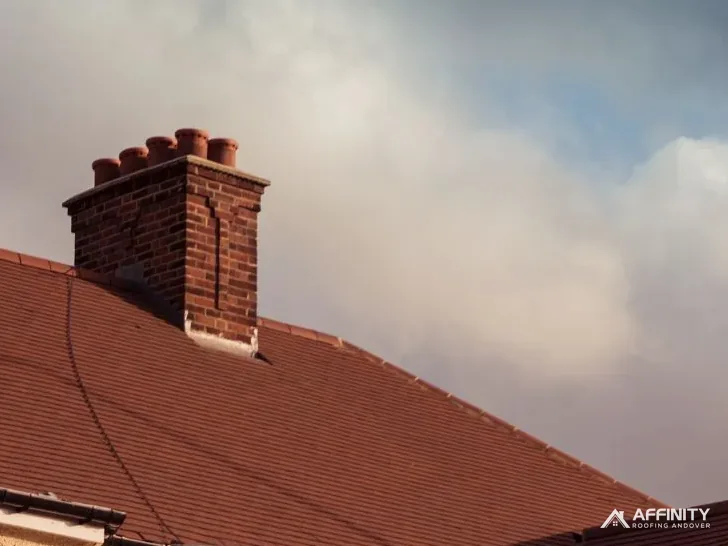
Clay roof tiles are among the longest-lived coverings. Marley cites a BRE minimum life expectancy of 60 years for clay, and HomeBuilding gives 60 to 80 years. Those are typical ranges, and neither works as a promise or a warranty. In practice the tiles can outlast what holds them: the fixings, the battens and the underlay can fail while the clay still looks sound.
What the published ranges say
Two sources give figures we can name. Marley, a tile maker, reports that the Building Research Establishment sets a minimum life expectancy of 60 years for clay tiles. HomeBuilding and Renovating, in a cost guide updated in September 2025, lists clay tiles at 60 to 80 years.
Two points about those numbers matter. The first is that the BRE minimum applies to clay only. It is not a figure for concrete tiles, and it should not be quoted as one: concrete has its own ranges, which our answer on how long concrete roof tiles last sets out.
The second is that a range is not a promise. It describes a typical life under normal conditions, with sound installation and reasonable upkeep. It is not a guarantee from the maker, and it says nothing about the nails, battens or underlay under the tiles. Cover offered by a maker or a roofer is not the same as a lifespan, and neither tells you how your particular roof is doing.
So when you hear that clay lasts a lifetime, hear it as a statement about the clay itself, in good conditions, and ask what is under it.
What can fail before the clay
Clay is a durable material. The parts around it are less so. Tiles are hung on timber battens, held with nails or clips and laid over an underlay, and all three can age faster than the tile.
Nails corrode and loosen, which lets tiles slip. Battens can rot where moisture sits, especially near the eaves, valleys and chimneys. Underlay in older roofs may be a felt that dries, cracks and tears, and it is the backup layer when a tile lets a drip through. A roof that looks tidy from the road can still have a worn-out underlay and tired fixings.
Mortar also gives way. Ridge and hip tiles set on mortar can lose their bed after years of weather, and the joints between tiles at verges open. These are repairs to the roof system, not signs that the clay itself has finished, and a good roofer separates the two clearly. Rebedding or fixing a ridge on a roof with sound tiles is a modest job compared with a re-roof.
A re-roof of a clay roof often reuses the sound tiles on new battens and underlay. Our page on clay plain tile roofs explains how that is done.
Signs of a clay roof reaching its limits
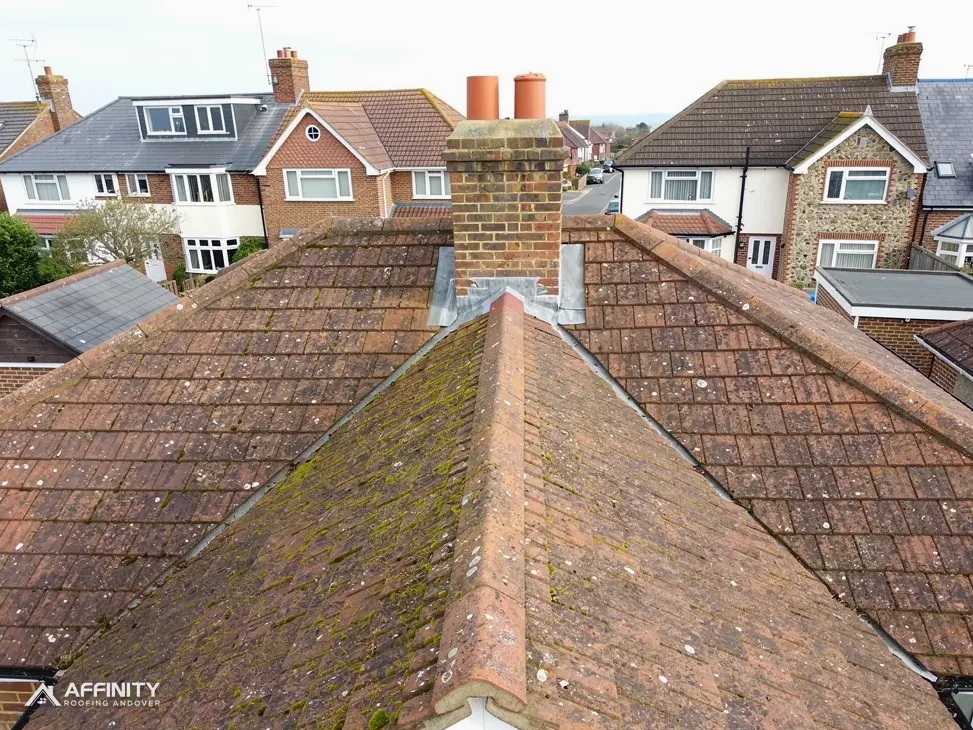
Scan the slopes for tiles that have slipped, dropped or turned, a line of tiles that sags, and patches of moss that hold water. Broken or missing tiles in a cluster, not a single knock, suggest the fixings are going. Inside, brown stains on the ceiling, damp insulation or daylight through the roof boards are warnings.
Clay itself can show age. A tile may flake on its face, a layer may lift off, or cracks may run through the body. This is called delamination or spalling. Occasional flaking on one tile is not alarming. Flaking spread across a whole slope is another matter.
These signs help decide whether to repair or renew. A few failures can be put right with replacement tiles and local fixing. A roof where the underlay and battens have given out is a better candidate for stripping and relaying, keeping the good clay.
Do not climb up to look. We survey from ladder, tower or scaffold as needed, and photograph the tiles, the underside and the battens so the evidence is in front of you.
Planning for the next stage
If your clay roof is old but sound, the best plan is to look after it: replace broken tiles quickly, keep gutters and valleys clear and have the ridge and hips checked from time to time. A small repair now protects the batten and underlay beneath, and the cost of a handful of tiles is small beside the cost of rotted timber. Keep a note of what was repaired and when, for the next survey or for a buyer.
If a re-roof is coming, ask what will be kept. Good clay tiles can be reused on new battens and underlay, which saves material and keeps the look of the house. We lift a sample, check the nibs and the faces, and tell you what share looks reusable before you decide. Our page on matching old roof tiles covers the mixing of old and new.
The cost of a clay roof job follows the area, the tile, the route onto the roof and how sound the timbers are. You get one written price after the survey, with the roof left clear of debris. For the wider subject, see our pitched roofing hub.