Anyone choosing a new covering for a pitched roof meets the same question sooner or later: clay or concrete? The two are the most common roof tile materials in Britain, and a good deal of folklore has grown up around them. Clay is said to last forever and concrete to fade in a decade. Neither claim survives a close look at the published figures.
The real differences are narrower and more practical. They show in how long each material is expected to last, in how steep the roof must be for a given tile, in how much the covering weighs on the structure beneath it, and in what the council expects when a protected house is involved. Weight deserves particular attention. Swap a lighter covering for a heavier one and you can step into Building Regulations territory without meaning to.
This guide sets out what the published sources say about lifespan and pitch, explains the 15 per cent weight rule, covers the appearance and fire questions that come up and offers a plain way of choosing for a particular house around Andover.
How long clay and concrete tiles last
Lifespans are typical ranges drawn from guides and manufacturers. None of them is a warranty, and a tile's real life depends on exposure, fixing and maintenance.
Clay
Marley reports a minimum life expectancy of 60 years for clay roof tiles, a figure it attributes to the Building Research Establishment. That is a floor and it is specific to clay. HomeBuilding puts clay at 60 to 80 years (Sep 2025). Clay holds its colour because the colour is fired into it, which is why a very old clay roof still looks right.
Concrete
For concrete the picture is less settled. Marley expects its own roof tiles to reach around 60 years, and says in terms that this is no promise. HomeBuilding sets plain concrete tiles at 40 to 50 years, and Double Roman concrete tiles at the same. The two sources disagree, so both are quoted here and the lower figure is the careful one to plan on. Concrete does not borrow the clay figure above; that floor is for clay only.
Other coverings in the same guide
HomeBuilding gives fibre cement tiles 30 to 40 years and Welsh natural slate more than a century. Our pitched roofing page compares the main coverings side by side.
What really sets the life
Good battens, sound underlay and correct fixings matter as much as the tile. A tile that lasts 60 years on a well-built roof can fail far sooner on a badly fixed one. Nail corrosion, battens that have rotted and underlay that has perished are the usual reasons, and none of them is the tile's fault. A roof is a system, and the covering is only one part of it.
Minimum pitch: what each tile needs
A tile sheds water only if the roof is steep enough for it. The minimum pitch varies widely between products, which is why the data sheet decides and no rule of thumb should.
Clay examples
Marley publishes these minimum pitches for clay tiles: Canterbury 40°, Ashdowne 35°, Hawkins 30°, Acme Single Camber 30° and the Lincoln pantile 15°. The spread is wide because a plain tile laid in double-lap courses behaves differently from a large profiled pantile.
Concrete examples
For concrete, Marley gives Plain 35°, Edgemere 17.5°, Modern-Duo 17.5° (smooth), Double Roman 22.5° (smooth), Mendip 15° (smooth) and Mendip 12.5°, Ludlow Major 22.5° (smooth), Ludlow Plus 22.5°, Wessex 15°, Anglia 25° (smooth) and Ashmore 22.5°. Many concrete interlocking tiles work at lower pitches than plain clay, which is why they are used on low extensions and bay roofs.
What it means for a swap
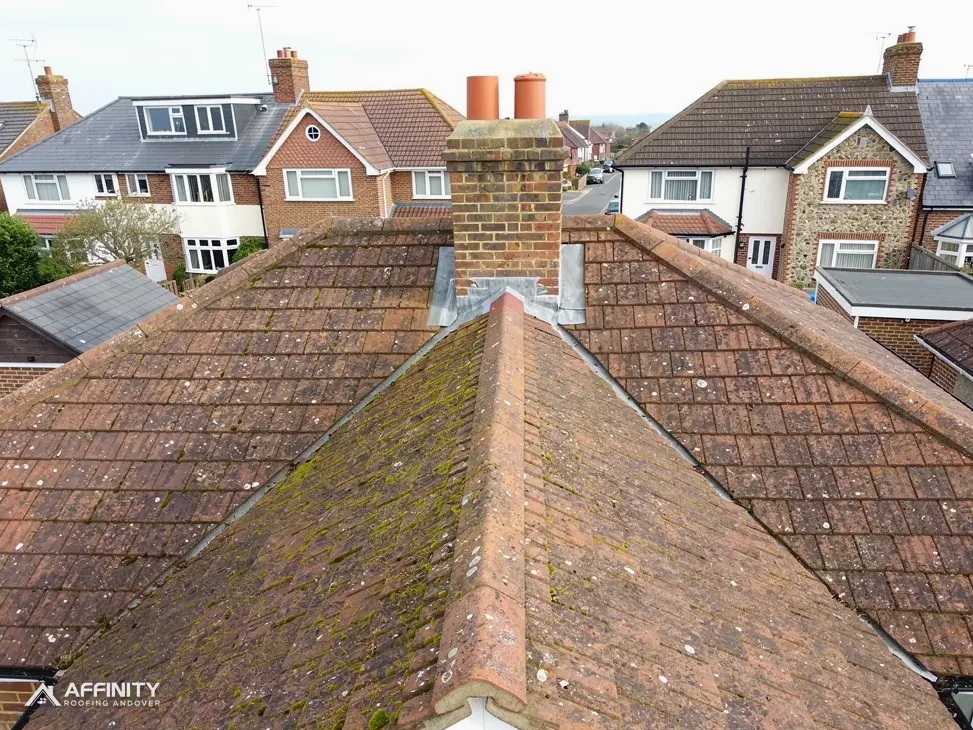
If you replace a plain clay roof with an interlocking concrete tile, the pitch rarely limits you. If you replace a low-pitched concrete roof with plain clay, it often does. The existing pitch is fixed by the structure, and the tile has to be chosen to suit it. On a hipped roof, check the hip and valley areas as well, because the pitch there can differ from the main slopes, and a tile that works on the main face may need a different detail where the planes meet.
Check the sheet
These figures are examples from one maker. The data sheet for the exact tile gives the number for your site, and some sheets set a higher minimum for exposed positions. Our answer on minimum pitch for roof tiles shows how to read one.
Weight, and the 15 per cent rule
The weight of a roof covering matters to the timber that carries it. Changing material can add load that the rafters were never meant to take.
The Building Regulations point
The Planning Portal lists two triggers for Building Regulations approval: a replacement covering weighing at least 15 per cent more than the present one, and a new covering whose fire performance would differ significantly. It recommends asking a structural engineer or surveyor before starting. Approved Document A puts the line slightly differently, calling a significant change in loading one that increases it by more than 15%. The two wordings are not identical, so we name whichever we are quoting.
Not a planning matter
A heavier covering needs Building Regulations approval, not planning permission. The two systems are separate, and the planning route for a change of covering on a house is normally Class C permitted development.
How weights compare
Weights differ widely between products, and there is no shortcut. A thin plain clay tile covering is not the same weight as a thick interlocking concrete one, and slate is different again. The tile maker's data sheet gives the weight per square metre of covering, and a roofer can set the old and new figures side by side before anything is ordered.
When we check
On any like-for-like survey we note the existing covering. If a different material is proposed, the weight comparison and the structural question are settled before a price is given.
Appearance, colour and ageing
Looks are a legitimate part of the decision, and the two materials age quite differently.
Clay
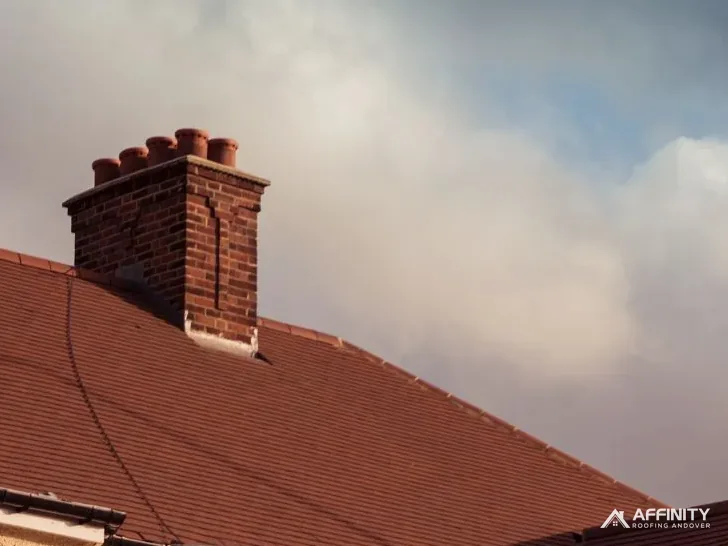
Clay tiles take colour from the clay and the firing. They darken and gather lichen slowly and tend to look better with age. Handmade clay has variation within a single batch, which gives an older roof its soft, mottled surface. A replacement tile from a new batch will not match, so look at any sample in daylight, wet and dry.
Concrete
Concrete tiles are coloured through the mix or, more often on older products, by a surface coat. A surface coat can fade or wear over the years, and the exposed grey of the concrete then shows through. How fast depends on the make and the exposure. Our answer on concrete roof tiles fading goes into the detail.
Profile
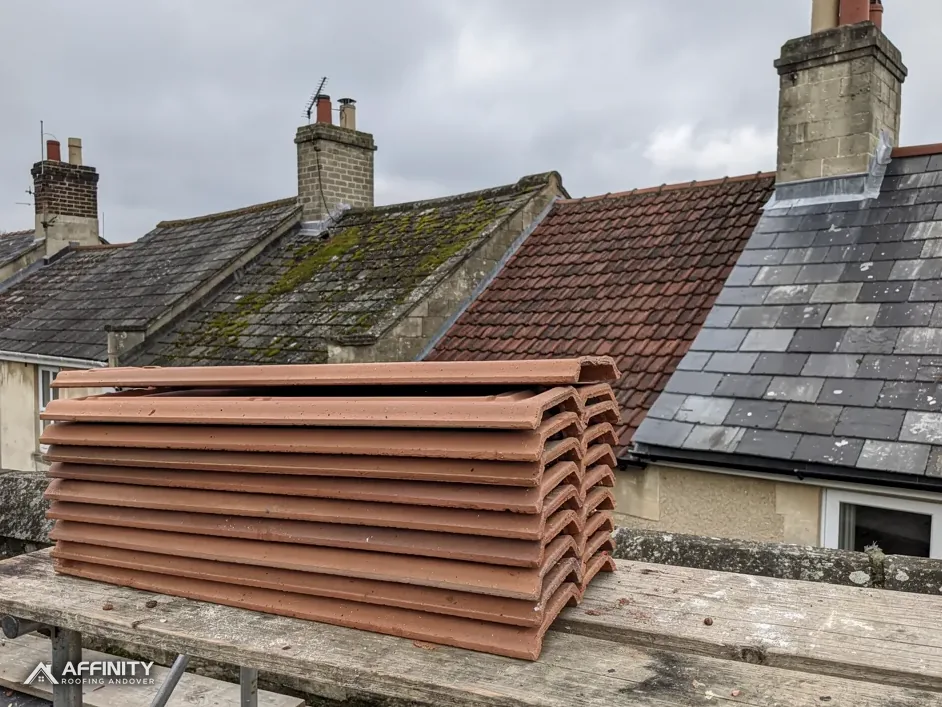
Plain clay tiles give a fine, ribbed texture across the slope,, which is part of why a plain tile roof reads as handmade even from a distance. Interlocking concrete tiles, which are larger and flatter, give a broader, more regular pattern. On a period house the profile matters at least as much as the colour.
Fire performance
Fire performance is the second approval trigger noted above, so it comes into the question whenever a different material is proposed. Two coverings of near-identical weight can still need approval if they behave differently in a fire.
Moss and cleaning
Both materials gather moss on shaded slopes. Marley does not recommend jet washing for either material, because a hard blast marks the face.
Cost context and repair
There is no clean price gap that holds for every house, and costs for the two materials are quoted in different ways by different guides.
Whole-roof figures
Replacing the entire covering of an average three-bedroom house is quoted by Which? at £7,000 to £21,000, ex VAT (Nov 2025). HomeBuilding gives £10,000 to £15,000 for a three-bedroom semi of 65 m² in plain concrete tiles, including labour, scaffolding and insulation (Sep 2025). MyJobQuote's figure for a new roof is around £5,250 (6 October 2026). The sources differ widely, so more than one is quoted. Our guide to the cost to re-tile a roof goes through them.
Why a per-tile comparison misleads
Tile cost is a smaller part of a re-roof than the sticker price suggests. Labour, battens, underlay, scaffold, ridge work and waste disposal make up the bulk, and these barely change with the tile. Weight also shapes the labour: heavier tiles take more handling on and off the roof. A cheaper tile can save less than it appears to.
Repairs
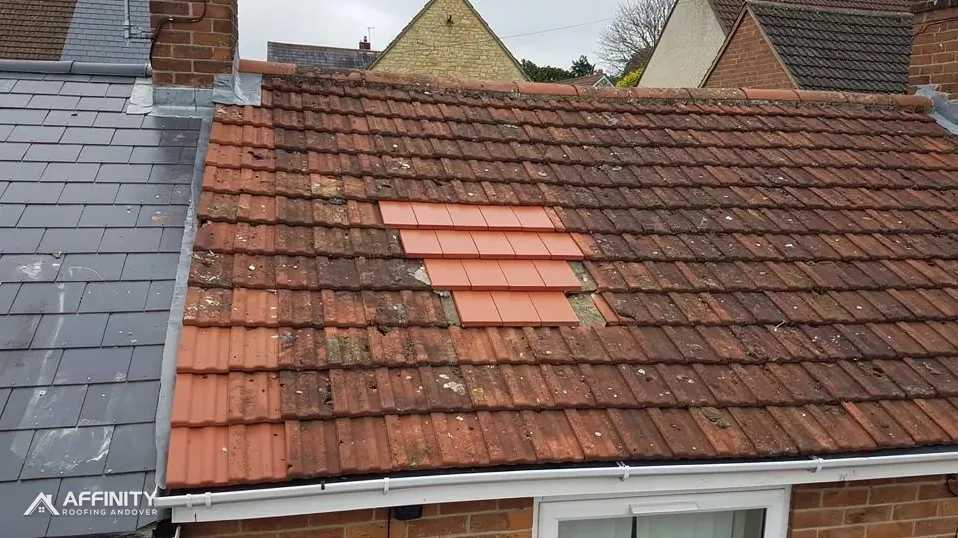
For single faults, Which? gives £75 to £400, ex VAT, to deal with up to six standard tiles that are cracked or gone (Nov 2025). Clay plain tiles that cannot be sourced new add to the cost of a repair. Concrete interlocking tiles are easier to match from stock.
Your own roof
The answer on cost is that the survey decides. The written price follows it as one total for the whole job, with the covering named.
Choosing for your house
The right tile is the one that suits the roof as built, the street and the budget, in that order.
When clay is the better answer
On a period house, in a conservation area, on a listed building or where the neighbouring roofs are clay, clay is usually the right covering. The look matters, the pitch is normally steep enough for plain tiles, and in some cases the planning authority will expect it. Basingstoke and Deane's four town Article 4 areas make the point: the council wants original clay roof tiles kept, and concrete is described there as unlikely to be accepted.
When concrete is sensible
On a newer house with a lower pitch, a modern extension or a roof where cost is the main concern, interlocking concrete tiles often make good sense. They go on faster, they suit low pitches, and a roof that was concrete to begin with is usually best kept concrete.
Listed and protected houses
Listed houses keep Class B and C permitted development rights, and listed building consent is required on top for anything touching their character. In a conservation area, ask the council whether an Article 4 direction applies.
The order of decisions
Start with the pitch and the structure, then the planning position, then the look, and only then the price. The survey records the first two, so the rest can be settled with facts in hand. If you are selling, a roof in a sensible covering with its paperwork in order is easier for a buyer's surveyor to accept than one that has been changed without checks.