The short answer
Lead splits on a roof because it moves and something stops it. The metal lengthens when the sun warms it and contracts again at night, and every cycle asks the sheet to slide. If the sheet is too large for its bay, or fixed so tightly that it cannot slide, the stress finds the weakest line and tears it, which points to a design or fixing fault.
Lead moves with the weather
Every roofing material changes size with temperature, and lead is no exception. A sheet that is shorter on a frosty morning is longer on a warm afternoon, and the difference between winter and summer is enough to matter.
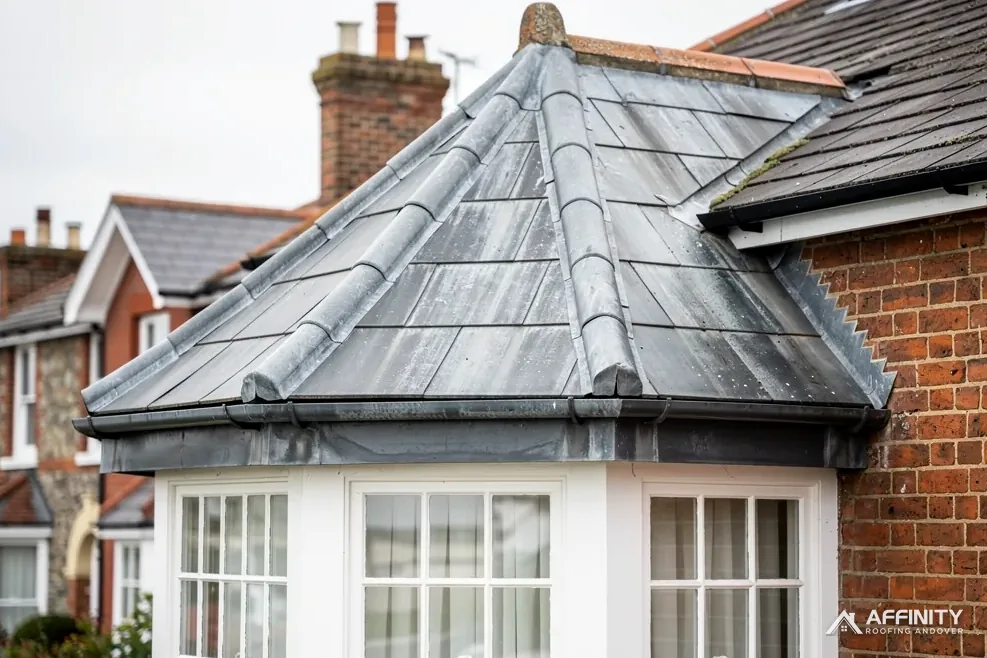
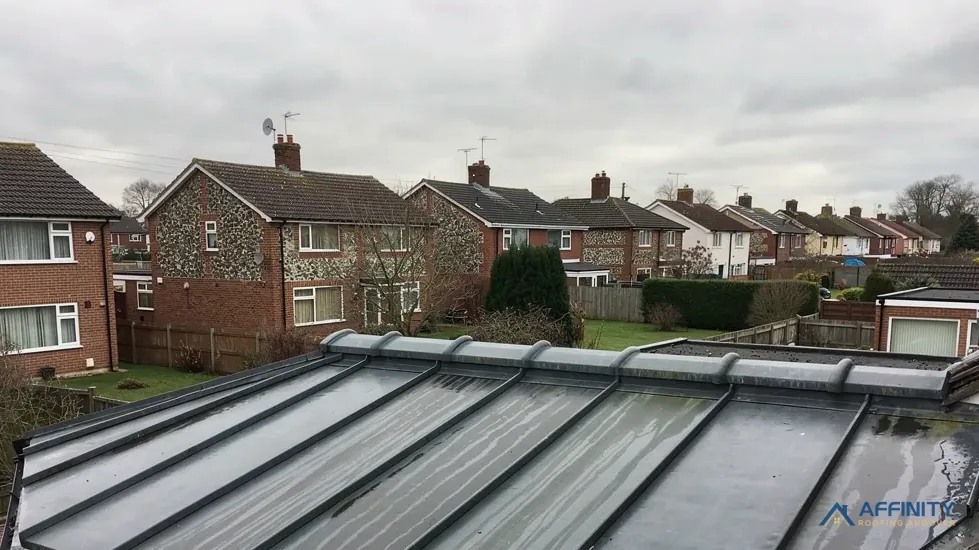
On a well-made roof this is allowed for. The lead sits loose on an underlay and is held only at its upper edge and at defined fixing points, so it can slide down the slope or along the bay as it grows and then return as it cools. Rolls and drips give each piece a place to end and the next to begin, so no single sheet has to take the whole movement.
When that freedom is removed, the metal does not stop moving. It strains against whatever holds it. Each cycle bends the same fold a little further, the lead hardens along that line, and eventually it cracks. That is a fatigue split, and it often starts as a hairline at a corner or fixing. Our page on the lead flat roof shows a layout that gives each sheet room.
Oversized bays and tight fixings
One cause is a sheet cut too large. A long bay means a long stretch of metal growing and shrinking from one end, and the movement at the far end is greater than a fixing can resist. Our answer on lead bay size explains why smaller bays suit lead.
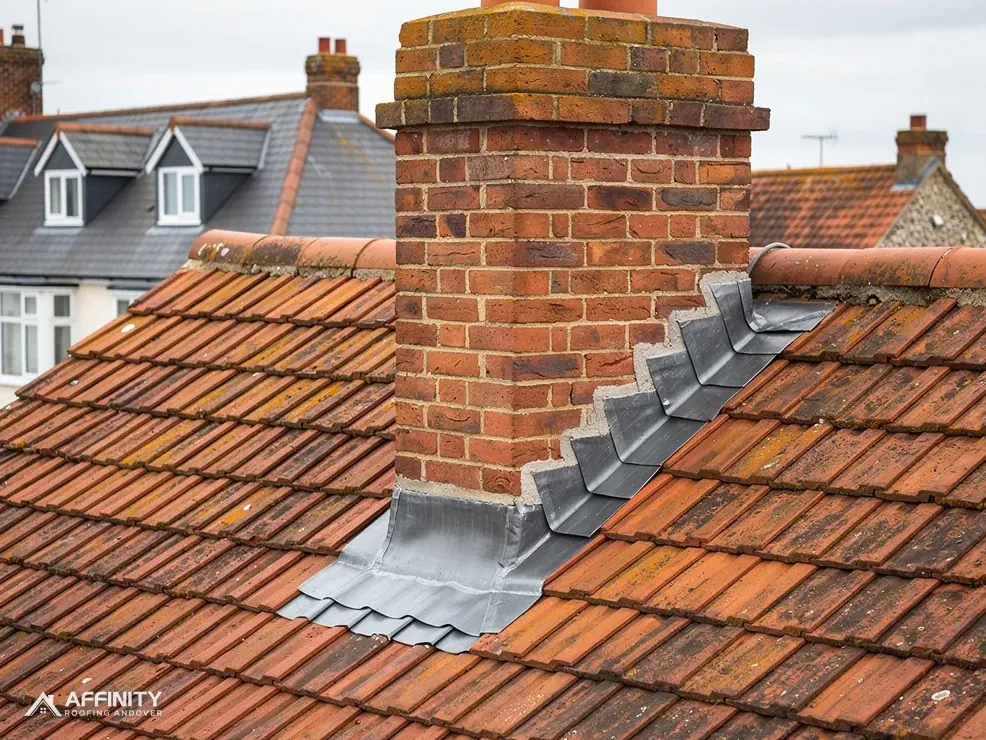
Fixings are the second cause. If clips or nails are driven through the sheet face where they should not be, they pin the lead in place. The metal then pulls at the pin on every temperature swing, and a crack grows from the hole. A lead sheet is meant to be held at its top and to sit loose below.
Poor detailing completes the picture. A fold dressed too sharply, or a corner creased and not rounded, puts a stress point into the metal from day one. Foot traffic and heavy pooled water can add to it, since a deck that sags under lead loads the sheet unevenly. Where the weight of a person or a ladder presses an area down, the lead is stretched and thinned.
Thickness plays a part too, as codes differ in how much punishment they take, but bay size and fixing usually outweigh it.
What not to do with a split
The common mistake is to seal the crack. A bead of mastic, a strip of tape or a smear of bitumen holds back the drip for a while. But the cause is still there: the lead keeps working against whatever restrains it. The sealant tears along the same line, and the original split opens beside it. Our page on why sealant is not a lead repair describes how that goes.
Soldering or welding a patch over a split can also fail if it locks the sheet again. A fixed patch becomes a new hard spot, and the stress shifts to its edge. A lead patch needs to be let in as a proper repair, with the surrounding sheet free to move.
Do not walk on the lead to inspect it. A foot can crease or stretch the sheet and turn a hairline into an open crack.
If the splitting is widespread, the lead has work-hardened and the bays are probably wrong. Repairing one crack at a time then becomes a series of small jobs, and a re-lead is the better route.
Stopping the splitting from returning
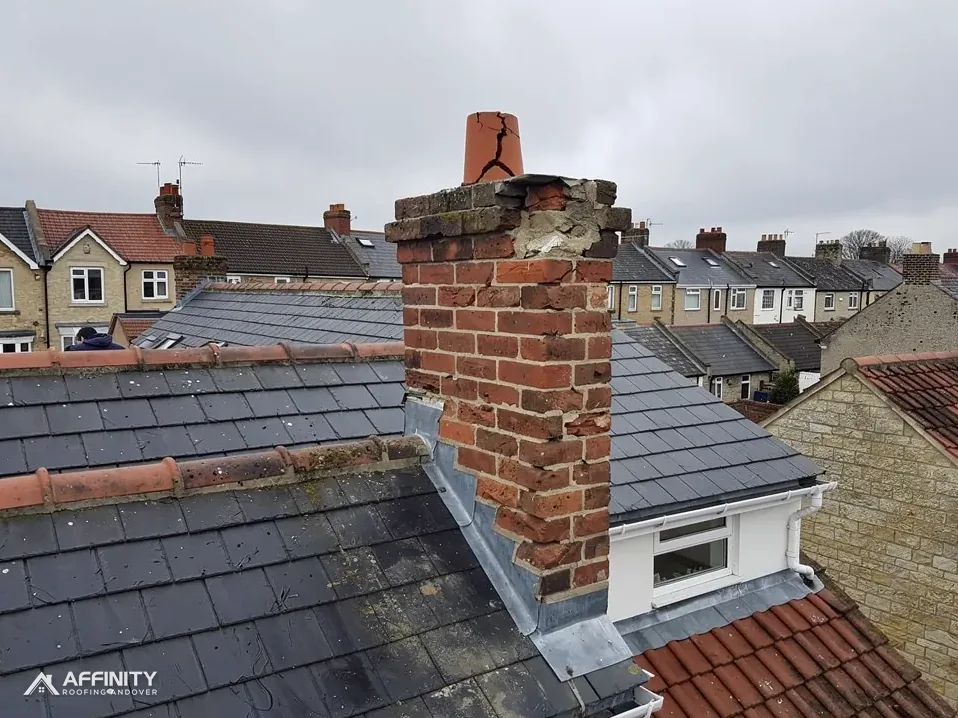
A lasting repair begins by asking why the split happened. We survey the roof, photograph each crack and look at the sheet size, the fixings and the fall of the deck. You receive the pictures with a plain explanation of what we think caused the fault, so the repair we propose makes sense to you.
For one local split in good lead, we cut out the damaged section and let in a new piece, with fixings placed so the sheet can still slide. For splits across several bays, the better answer is to re-lead with smaller bays, correct fixings and a deck that is sound and dry. The deck is checked for rot and dips before any new sheet goes down, because lead laid over a soft or uneven surface will stretch and split again. Where the old lead is clean and undamaged, some may be reused.
The price turns on the area, the access and how much of the roof needs new lead, and you receive the figure in writing after the survey. Whatever the plan, we remove old lead and offcuts and leave the site clear. If you would like to see the full range of leadwork, the lead roofing hub lists it.