The short answer
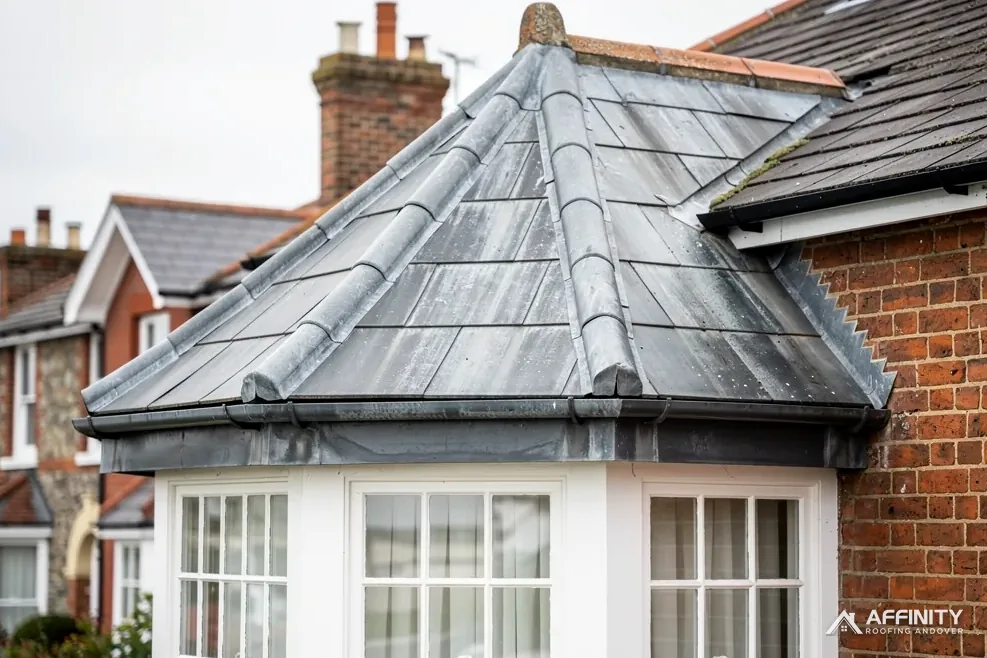
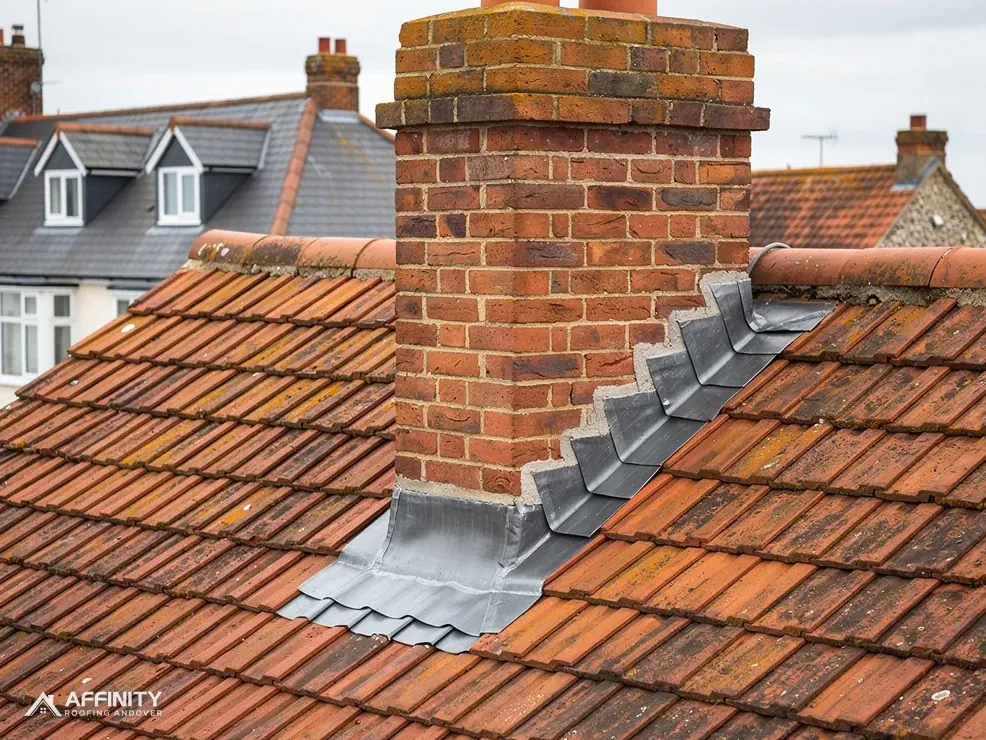
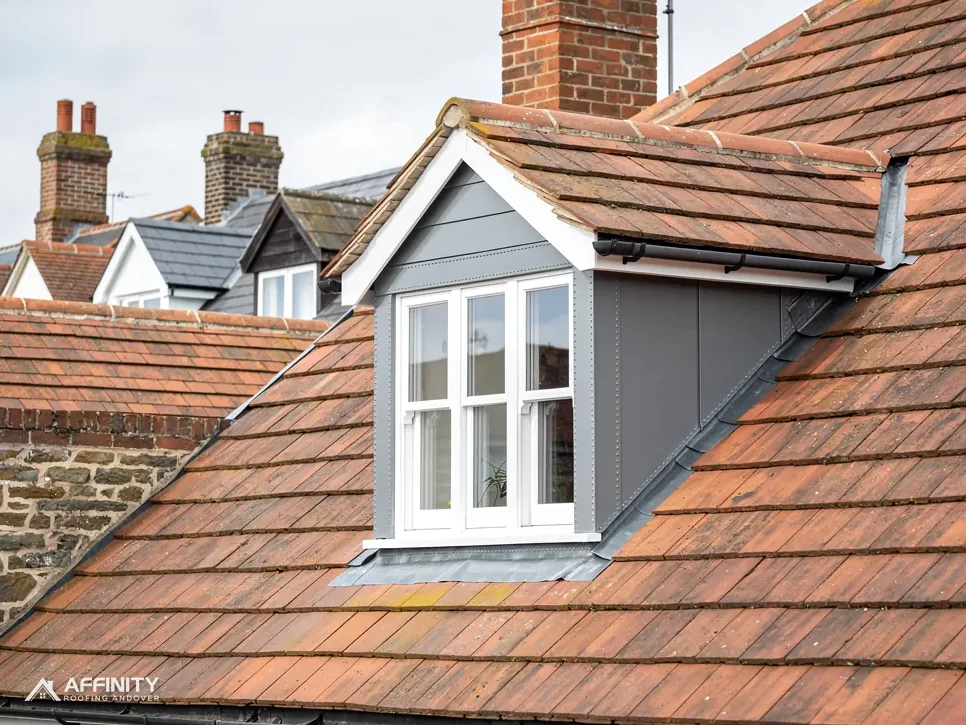
Well-made lead roofs are among the longest-lived coverings. HomeBuilding gives 60 to 100 years for a lead flat roof, and MyJobQuote puts lead flashing at over 80 years, a lower bound. Those are typical figures, not promises. Bay size, fixings, the deck underneath and later repairs decide whether a particular roof reaches them.
Two published figures, read carefully
Two sources give numbers we can use. HomeBuilding and Renovating, in a guide updated in September 2025, lists lead for flat roofs at 60 to 100 years. MyJobQuote, in a guide to replacing leadwork on a chimney, updated in September 2026, puts the life of lead flashing at over 80 years. The two sources measure different parts of a roof, so they are best read side by side, not merged into one number.
Notice the wording of the second figure. It does not give a ceiling, only a floor: over 80 years is where a good flashing starts, not where it ends. We use it as a lower bound and nothing more. It is a statement about the metal when it is well laid, not about every roof you will see.
It is also worth keeping lifespan and warranty apart. A written workmanship cover and a lifespan are different things. Neither a figure in a table nor a certificate on a wall tells you how long the roof above your head will last. Both are typical or contractual statements, and the roof itself has to be looked at.
Why one lead roof outlives another
Lead is soft and expands and shrinks with temperature. A sheet laid in a bay that suits its thickness moves freely and ages gently. A sheet laid too large for its fixing pulls itself along, work-hardens at every fold and splits well before its time. Our answer on lead bay size explains why the layout decides so much.
The thickness, or code, plays a part. Royston Lead's brochure lists codes 3 to 8, from 1.32 mm up to 3.55 mm, and assigns thicker codes to the parts that take most punishment, such as valleys, parapets and box gutters. A thin sheet on a hard-working detail wears out earlier.
Fixings count as well, and so does how the sheet is held at its edges. Sealant used in place of a proper fixing is a sign the original detail failed, as our guide to sealant and lead repairs explains.
Foot traffic, ponding water and debris on a flat roof add wear that no table can predict. Leaves and moss left in a gutter or valley hold moisture against the metal, so keeping the outlets clear is a cheap habit that helps the covering.
Trouble that starts underneath
It is natural to look at the top of a lead roof, but trouble can start below it. The deck under the sheet is timber, and if it stays damp it rots, loses its grip on fixings and stops the lead lying flat. Moisture can come from a leak at an edge, but it can also come from inside the building.
Approved Document C asks that roofs be built so that condensation within the structure does not harm their performance. A lead roof that is badly ventilated, or whose insulation was added without thought for the air path, can wet its own deck from beneath. So the underside and the ceiling below get a look as well as the surface, and the loft or void gets checked where it can be reached.
A sagging deck or a soft board shows up outside as ponding. Lead that holds water works harder at every joint. Where we find a deck in that state, repairing the lead alone shortens the repair's own life, so the timber is dealt with first. The lead flat roof page covers a roof built this way in more depth.
Judging the life left in your lead
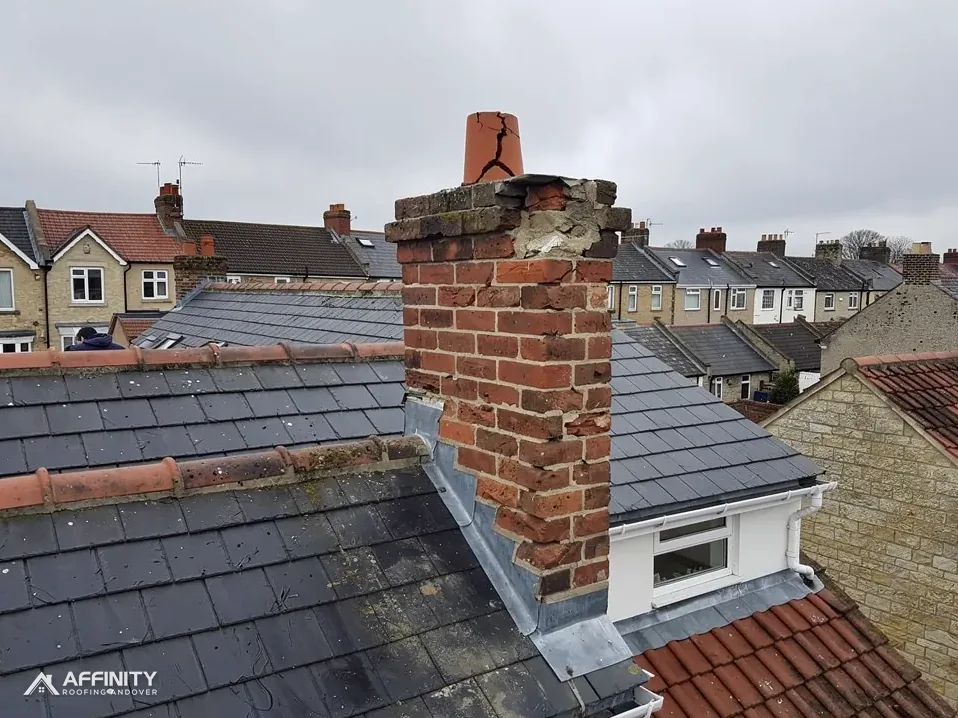
Age alone is a poor guide. A seventy-year-old roof with sound sheet, small bays and a dry deck may have decades left, while a recent one laid in oversized pieces can fail early. The signs of trouble are plain enough: cracks across folds, lead that has crept down a slope, ridged and creased metal, patches of sealant and ceiling stains below.
On a survey we photograph the sheet, the joints, the flashings and any part of the deck we can see, then explain what the evidence suggests about the remaining life in plain words, with the pictures beside it. In some cases a repair now and a full re-lead years later is the right plan. Sometimes the roof is sound and needs nothing but a tidy gutter.
The price of any work depends on the area, the access, how much lead can be kept and what the deck needs. The survey comes first, and a single written price follows it, which lets you weigh repair against renewal with a figure in hand. To see the wider range, visit our lead roofing page.