The short answer
Code 3 is the thinnest roofing lead in the standard range, at 1.32 mm and 14.97 kg per square metre, and Royston Lead's cast lead brochure lists it for soakers only. Soakers are the small folded pieces hidden under tiles or slates. Code 3 is not listed for exposed flashings, valleys or gutters, where a thicker sheet is needed to resist movement and weathering.
What code 3 is
Roofing lead comes graded from 3 to 8, with a thickness and weight tied to every number. The higher the number, the thicker and heavier the lead. The codes are also colour-marked, so a fitter can tell them apart on site, although weathering hides the marking once the lead has been on a roof for a few seasons.
Code 3 is the lightest. Royston Lead's brochure for cast lead gives it a thickness of 1.32 mm, a weight of 14.97 kg per square metre and a green marking. By comparison, code 4 is 1.80 mm and blue, and code 5 is 2.24 mm and red. The jump between codes looks small on paper, but it is the difference between a sheet that can take the weather and one that cannot.
The weight matters because lead's life depends on how it moves. Sheet that is too thin works harder with each warm day and cold night and tires sooner. Lead also needs enough body to be dressed, folded and held in place without tearing.
Lead for roofs follows BS 6915, which AD C names as the source of recommendations. Our lead roofing page covers the wider picture.
Soakers, its one use
In the brochure's table of uses, code 3 appears against one category only: soakers. A soaker is a small folded L of lead laid beneath successive rows of tiles or slates, wherever the roof runs up to a wall or chimney. One leg sits under the covering and the other turns up the wall. The sequence of soakers carries water down the junction course by course.
That is a protected position, with little to disturb the metal. Soakers sit under the covering, out of direct sun, rain and wind, and beneath a cover flashing. They are also short pieces that take little effort to replace when the roof is next worked on. They have little exposure, so a lighter code is acceptable. They are also short pieces that are easy to fold and replace, and a thin sheet is simple to shape into the neat L that each course needs.
Our answer on lead soakers describes how they are laid and how they fail. When a roof is re-covered, soakers are usually renewed at the same time, since the tiles or slates have to come off along the edge anyway, and new lead of the right code goes in then.
Why it is wrong for exposed work
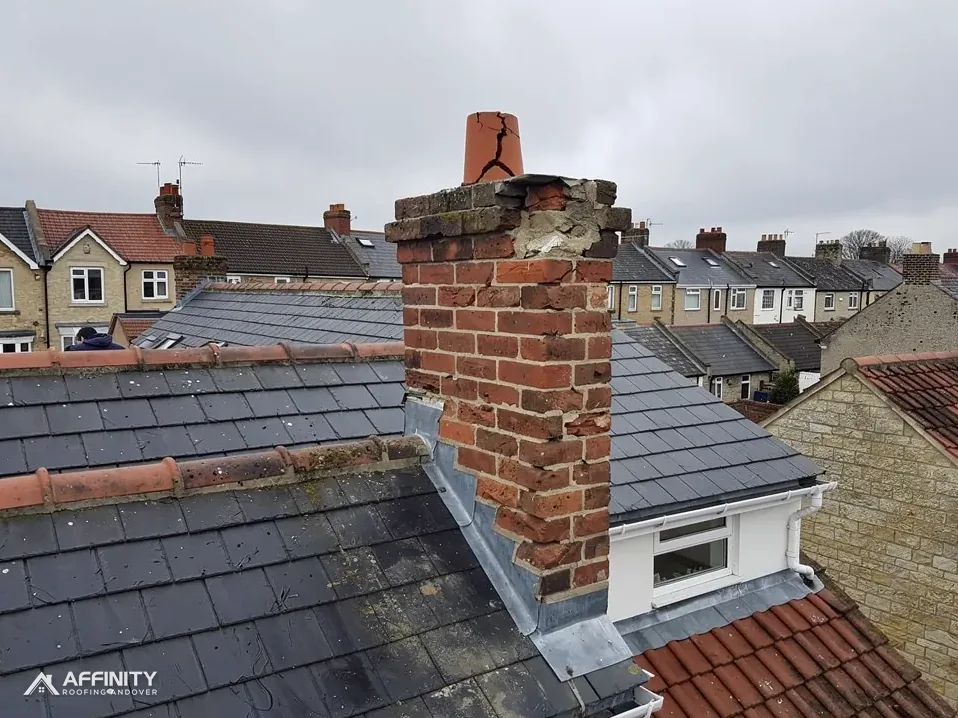
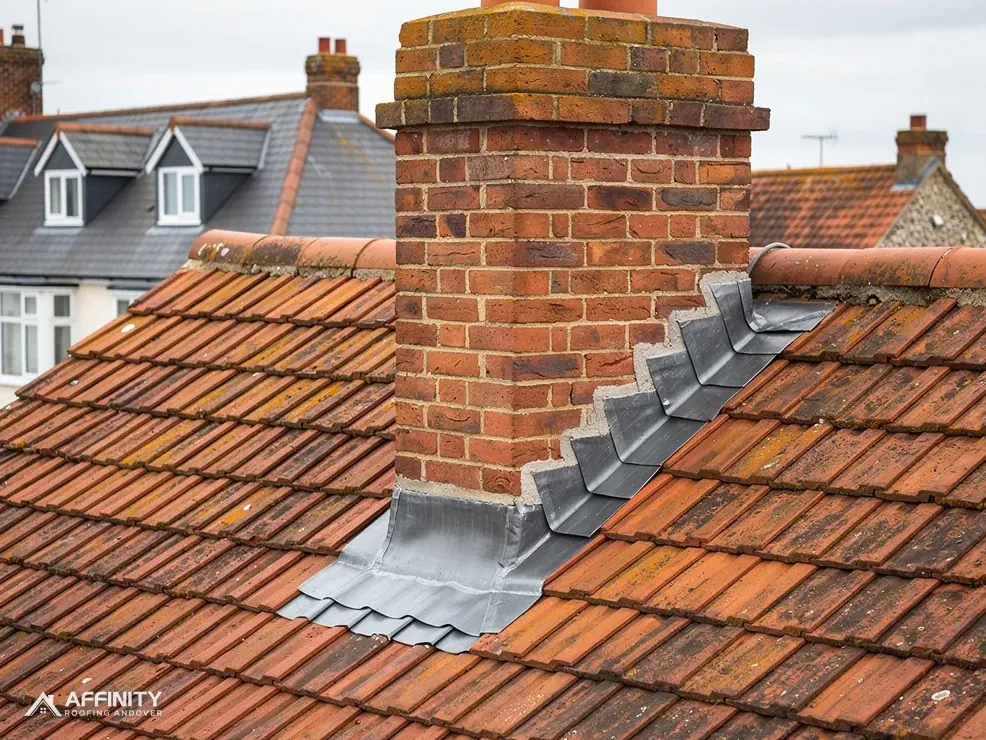
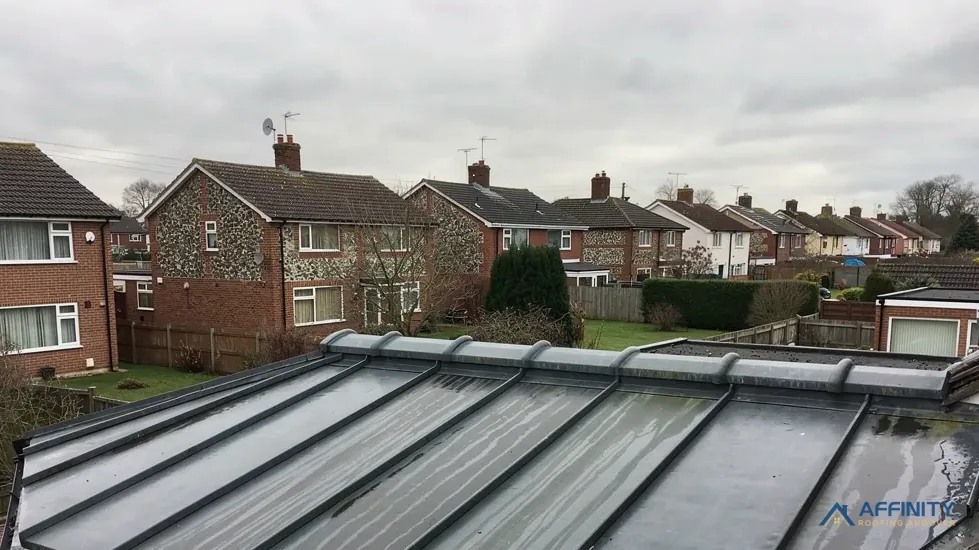
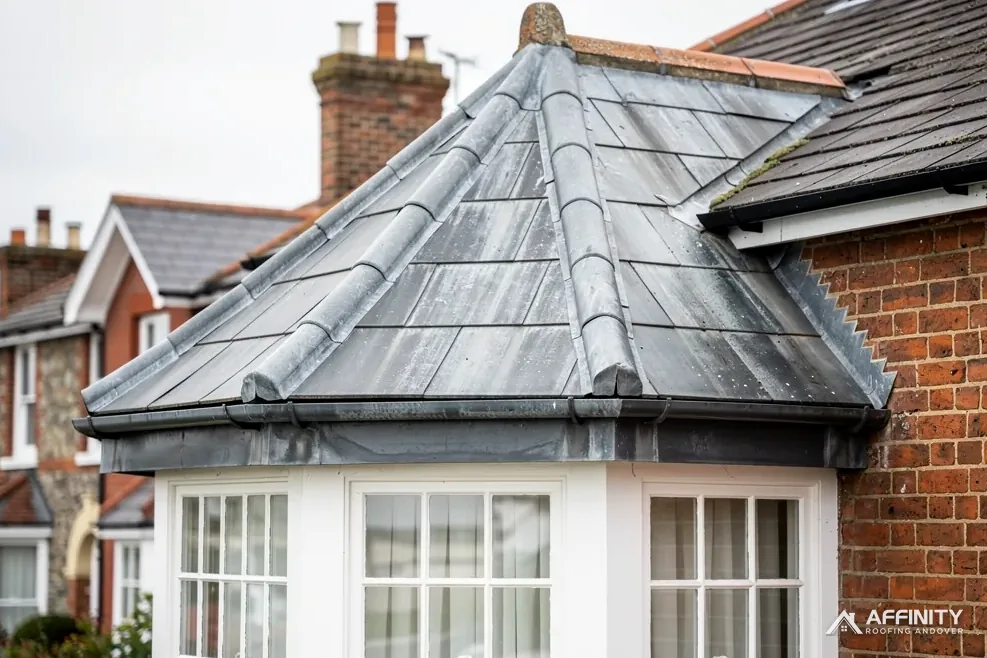
Flashings, valleys, gutters and dormer cheeks all sit in the open. They take the full sweep of the weather, they carry more water and they move with the heat of the sun. Royston's brochure assigns codes 4 and above to those uses, and lists code 3 for soakers only.
A flashing that is too thin shows the signs early. It lifts at the edges, cracks along folds and dents when walked on. A valley gutter in code 3 would thin at the bends and crack where water stands. Using the wrong code to save a little on materials usually costs far more when the repair comes round again.
So when a quote names code 3 for anything other than soakers, ask why. A reputable fitter will explain the code, the use and the exposure. The answer on code 4 versus code 5 lead shows where the next steps up are used.
If code 3 lead has been used for an exposed flashing on your roof, that is not a use the brochure lists, so have it checked.
Reading the brochure and asking questions
The uses above come from one manufacturer's brochure, which is a reliable starting point rather than a rule of law. Other guidance, such as the Lead Sheet Association's, may add detail on choice of code for a particular job. A roofer should be able to explain, in plain words, which code is being used where, and why.
At the survey we photograph the existing leadwork, identify the thickness where we can and note what each part does. The written quote states the lead code being fitted, so you know what you are getting. What you pay depends on the roof's size, the access and the amount of lead.
MyJobQuote (Sep 2026) gives a typical UK range of £350 to £920 for full chimney leadwork, with the figure depending on scaffold, and around £540 for a full valley replacement. Those are guides rather than prices for your roof.
If you want to see how lead is priced and sized in practice, our guide to lead flashing cost goes through it, and the survey is where the code gets confirmed.