The short answer
Sometimes, but not by default. GRP, glass-reinforced plastic, makes a one-piece valley with no soldered joints and has no scrap value for thieves, and HomeBuilding gives it a life of 25 to 30 years against 60 to 100 for lead on a flat roof. Lead looks better on slate and clay, can be repaired in sections and is right for listed buildings. The roof decides.
What each valley is made of
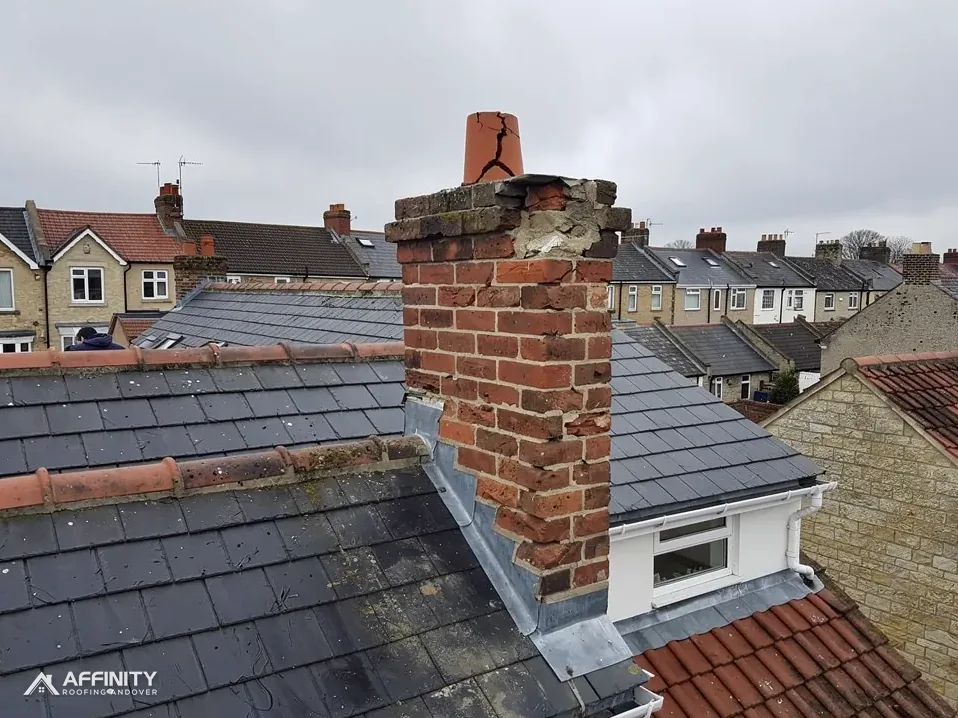
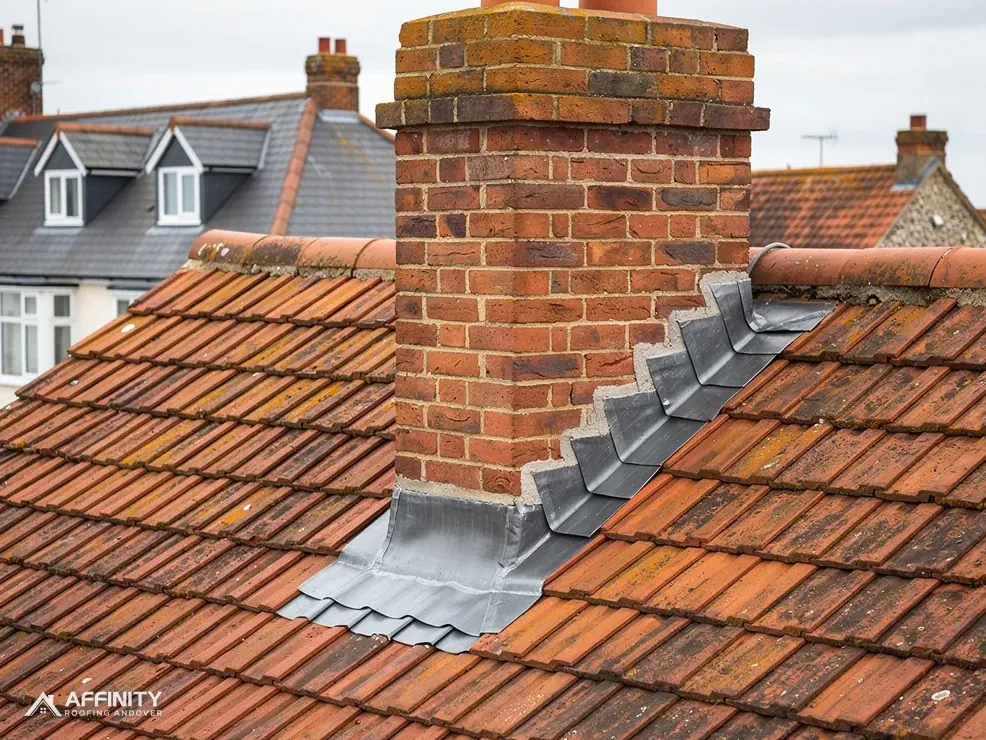
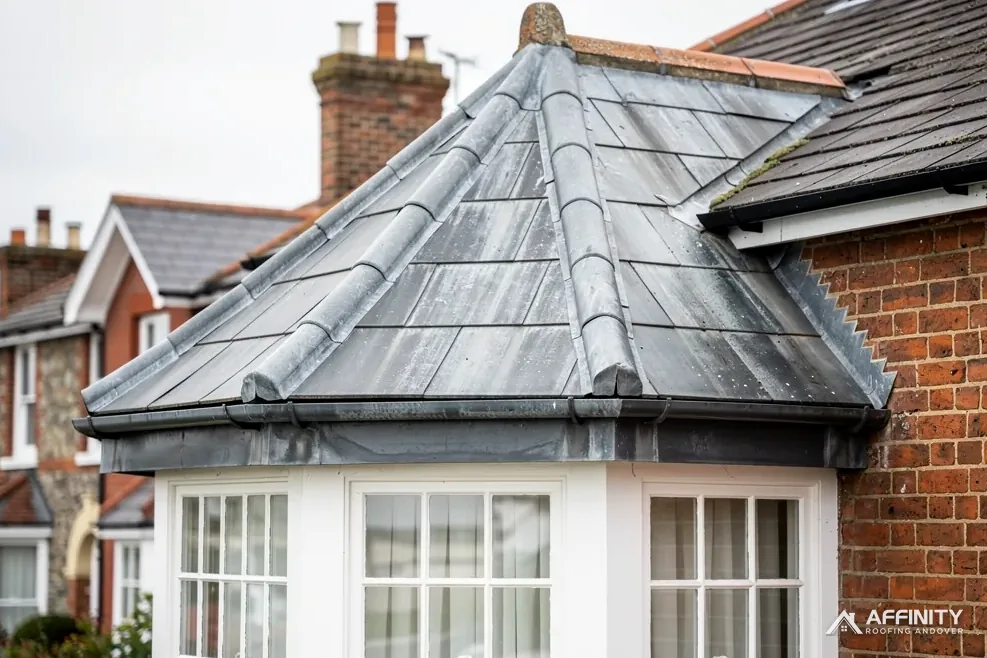
A valley is the internal angle formed by two meeting slopes, and it gathers water from both. A lead valley is a trough of sheet lead laid on boards, with the tiles or slates cut and dressed along each edge. Lead is dressed into shape on site, joined with folds and rolls, and laid in lengths that allow for movement.
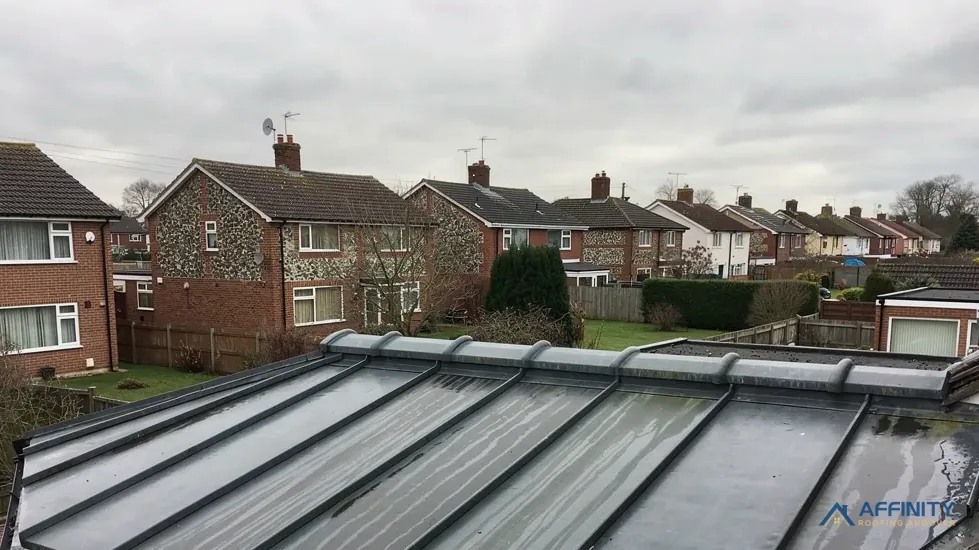
A GRP valley is formed from resin and glass fibre, cast or laid up in a mould. It arrives as a ready-made trough, or is built on the roof in layers, and can be made in one piece with no joints along its length. It is light, rot-proof and takes a coloured finish, usually grey, black or a brown that blends with the roof. That makes it quick to lay on a plain valley, with fewer awkward cuts.
Both do the same job. The difference lies in how they age, how they look and how they are mended. Our guide to lead valley replacement explains the lead route in detail, and the lead roofing page sets it in context.
If the valley is the only fault on a sound roof, either material can fix it. If the roof as a whole is close to renewal, the valley choice becomes part of a bigger decision.
Lifespan and repair
On published figures, lead outlasts GRP. For flat lead roofs HomeBuilding's range is 60 to 100 years. Its range for GRP is 25 to 30 years, and Less gives 25 to 40. Those figures are for GRP flat roofs and are typical ranges, never promises.
The gap shows in repair as well. A split in a lead valley can often be opened up and bridged with fresh sheet, leaving the remainder in place. GRP can be patched with resin and matting, but a worn or cracked surface tends to need re-laying, and the colour of a patch may not match.
GRP is a fixed shape, so it cannot be dressed to fit awkward geometry the way lead can. It suits straightforward valleys, where it can be laid in one piece without joints, and where a clean, plain finish is acceptable.
For comparison, MyJobQuote (Sep 2026) gives a typical UK range of around £540 for a full valley replacement. Materials, access and the state of the boards all move the total.
Look, building type and conservation
On a slate or clay tile roof, lead is the traditional valley material, and it looks right. The metal weathers to a soft grey, the lines are crisp, and the valley disappears into the roof. A GRP valley can look plastic against natural materials, and sunlight can fade or craze the surface.
On a modern concrete tile roof with a plain look, GRP often passes unnoticed. It is also a sensible option for a valley that is hard to reach and rarely seen.
With a listed building, or a home inside a conservation area, the choice carries extra weight. A listed building needs consent for any change that alters its character, and swapping a lead valley for plastic may be refused. Check with the council first, as our answer on lead roofs in conservation areas explains.
Slate roofs in particular suit lead, since its dressed edges match the cut of the slate, and the two age together. A neat valley is a sign of careful work and a buyer's surveyor may look at it.
Theft and the final choice
Lead has scrap value, and thieves target accessible roofs. A valley is often out of sight between two slopes, but flashings and exposed leadwork are common targets. GRP has no resale value, so it removes that motive. Our guide to lead stolen from a roof covers what to do after a theft and how to reduce the risk.
Weighing it up, GRP suits a plain valley on a modern roof, where theft is a worry, and where a shorter life is acceptable. Lead suits traditional roofs, listed and conservation-area homes, complicated geometry and owners who want a long life from the work.
The survey is where the decision becomes concrete. We photograph the valley, test the boards beneath and show you the state of the covering either side. We then recommend the material that suits the roof, not the one that is easier to fit, and send one total in writing.
Neither material cures a rotten deck or a blocked valley, so the boards are checked before anything new goes on.
Keep the valley clear of moss and leaves whichever you choose. A blocked valley sends water over the edge and under the tiles, and no material is built to survive that for long.