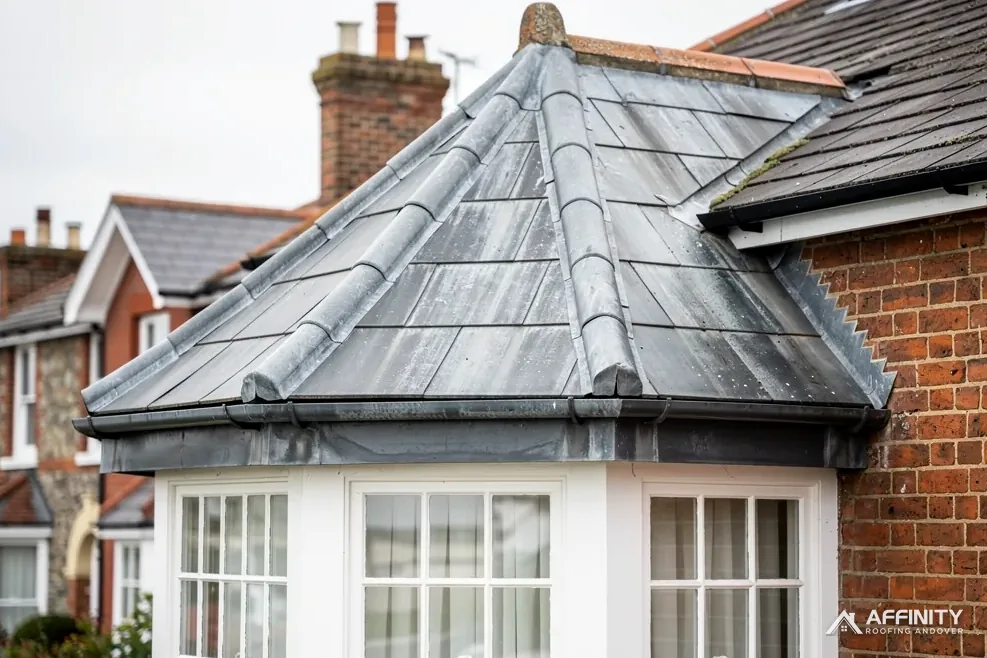
The short answer
Code 4 lead is 1.80 mm thick and is listed for dormers, flashings, soakers and pitched valley gutters. Code 5 is thicker, at 2.24 mm, and is listed for dormers, flashings and every kind of gutter, parapet and box gutters included. For ordinary flashings either can be correct. For gutters that hold water, and for more exposed or awkward details, code 5 is the safer choice.
The two codes side by side
Lead for roofing comes in codes, and code 4 and code 5 are the two compared here. Royston's brochure measures code 4 at 1.80 mm, weighs 20.41 kg per square metre and carries a blue marking. Code 5 is 2.24 mm thick, weighs 25.40 kg per square metre and is marked red.
The extra thickness is just under half a millimetre. That sounds like nothing, but across a roof it means a fair amount more metal, more weight for the fitter to handle and a stiffer sheet that is harder to dress into tight corners. It also means a sheet that can tolerate more flexing before it tires.
Lead is a soft metal, and its enemy is movement, so anything that reduces strain on a fold adds years. A sheet expands and contracts with every temperature swing, and thin sheet fatigues sooner than thick. The higher code buys a longer life for the detail in the same position, provided it is fixed so it can still move freely.
Roofing lead follows BS 6915, which AD C refers to for recommendations. Our lead roofing page explains how it is used across a whole roof.
Uses listed in the brochure
The brochure lists uses in five categories, lettered A to E. Code 4 is listed against soakers, flashings, pitched valley gutters and dormers. Code 5 drops soakers and adds parapet, box and tapered valley gutters, keeping flashings, pitched valleys and dormers. Soakers are left to the lighter codes.
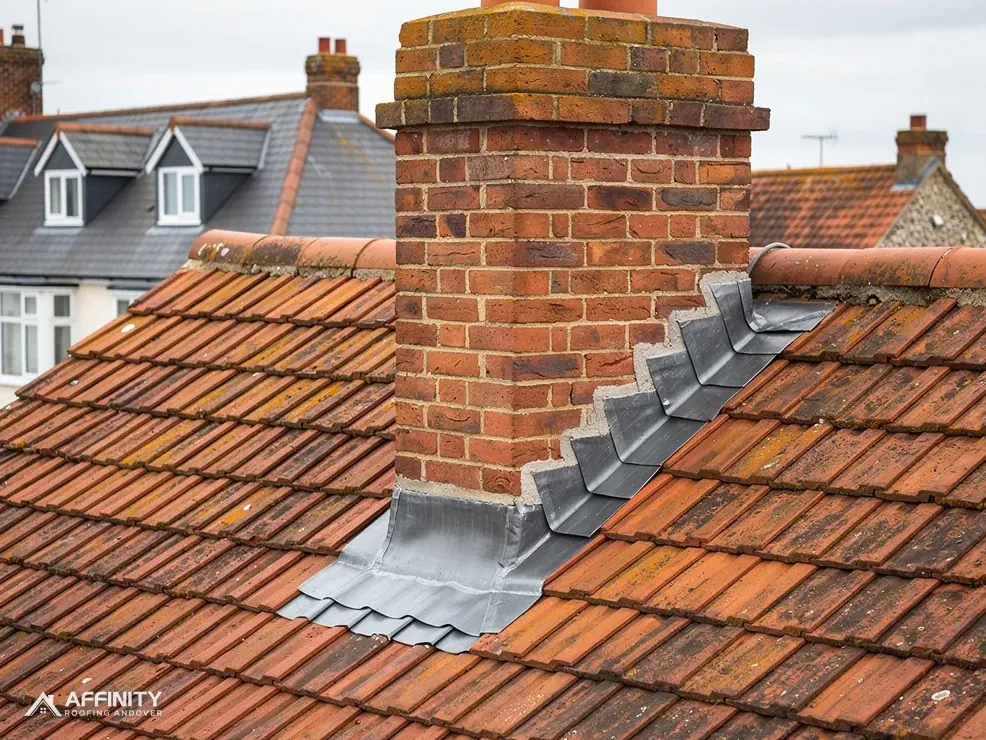
So for a plain stepped flashing against a wall, a flashing along a ridge or a dormer cheek, both codes appear in the table. That is why two roofers may quote different codes for the same job and both be reasonable. For a parapet or box gutter, the brochure lists code 5 and above, and code 4 does not appear.
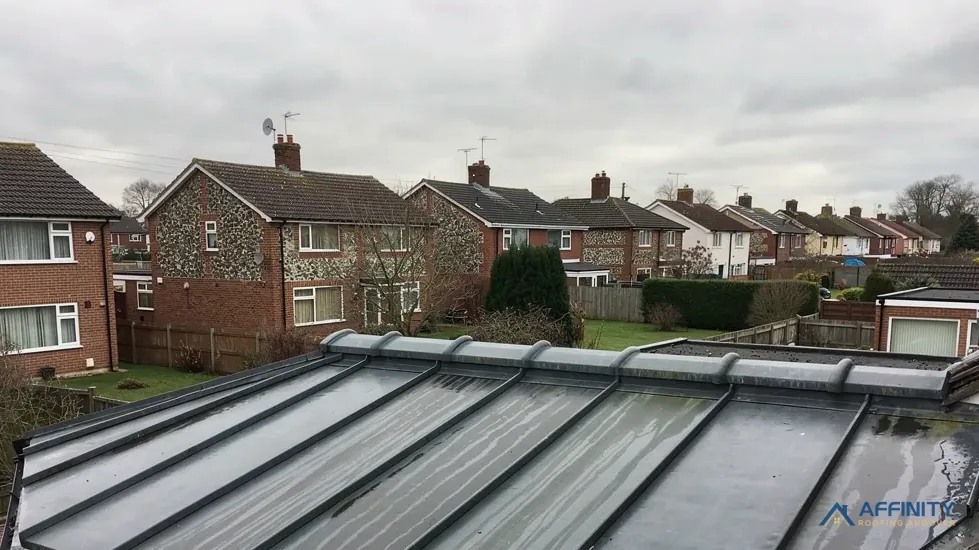
The pattern is worth knowing. Lead that carries water, in gutters and valleys, sits at the thicker end, while lead that only sheds water, as flashing does, can use the lighter code. Our guide to lead valley replacement shows where those thicker sheets go.
The brochure is one manufacturer's guide. The fitter's skill and the particulars of your roof make the final call, which is why we explain our reasoning at the survey and show you the photographs.
Exposure and detail
Beyond the table, the position of the lead matters. A flashing on a sheltered lean-to roof has an easier life than one on a high gable, a tall chimney or a long exposed wall. Greater exposure means more sun, rain and wind, and so more wear and movement.
Length and shape count too. Long flashings move more across their length, so they benefit from a heavier sheet and well-made joints. Complex junctions with many folds, such as around a chimney or a dormer, are easier to form in a thinner sheet, but each fold is a point of strain.
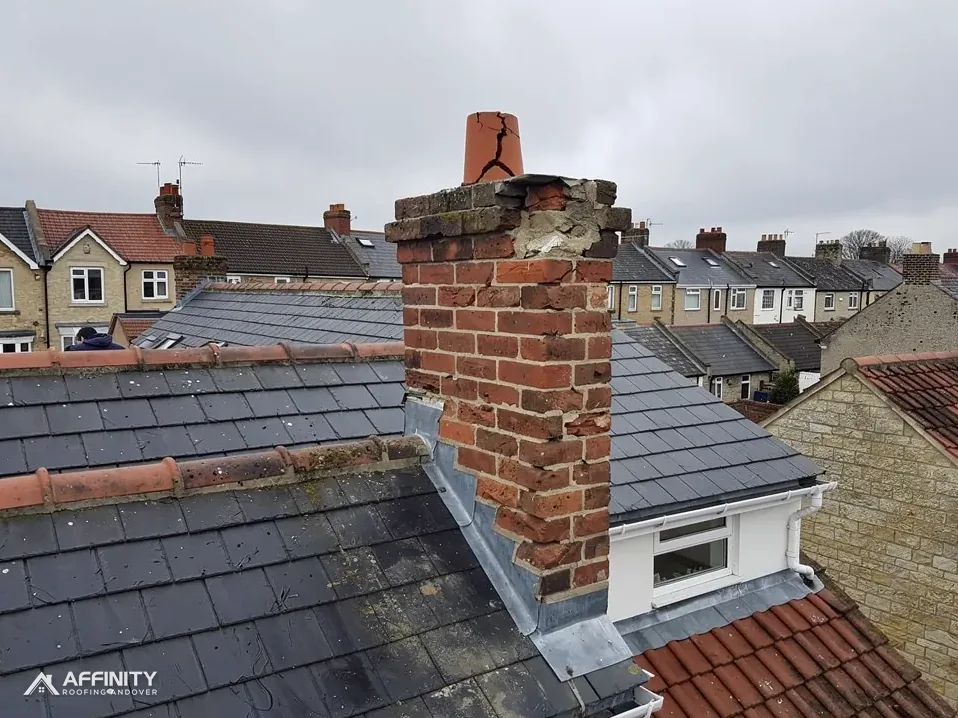
The condition of what lies underneath, the boards, the wall and the pointing, matters as much as the code. A thicker lead over a rotten deck still fails. Our answer on lead apron flashing shows a detail where code and workmanship both matter.
During the survey we weigh exposure, length and detail, then name the code we would fit and the reason for it. If your roof has existing lead, we note its condition and likely thickness to see whether it was a sound choice in the first place.
What the difference costs
Code 5 costs more than code 4 because there is more metal in each square metre. Cost guides do not publish a separate price for each code, but the scale of the job is clear from national ranges. MyJobQuote (Sep 2026) gives a typical UK range of £350 to £920 for full chimney leadwork, depending on scaffold, and around £540 for a full valley replacement.
The difference between the codes is a modest part of those totals. Access, labour, the state of the deck and the amount of lead dominate, and metal prices change from week to week. Paying a little more for the heavier code on a detail that carries water is generally cheaper than repeating the repair, and a thicker sheet is easier to dress without kinks.
We would not quote the thicker code where the brochure and the situation do not call for it, and we would not use a thinner one where they do. The price follows the survey, and the quote states the code being fitted, so two quotes can be compared for the same material.
The lead flashing cost guide sets out what else moves the price.