The short answer
BS 8612 is the British Standard behind dry-fix roofing kits for ridges, hips and verges, and the 2018 edition is the current one. It lays down how a mechanically fixed system is tested, so a product can show it meets a recognised level. It is a standard, not a law. It works beside BS 5534, which stopped treating mortar strength alone as enough for the tiles along ridges and hips.
What the standard covers
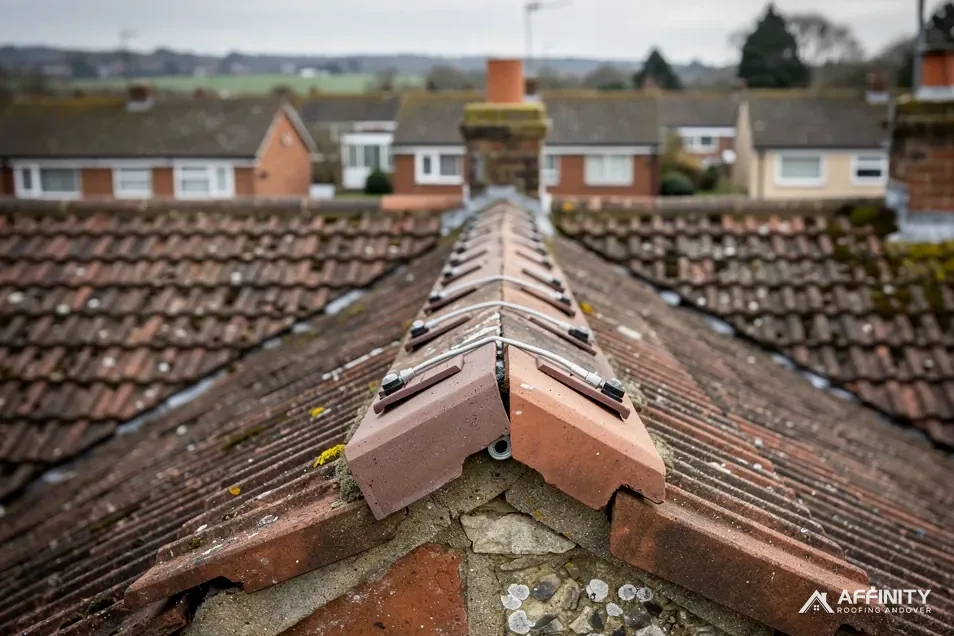
BS 8612:2018 is listed by the British Standards Institution as current. It deals with roof edges and tops that are held by mechanical fixings, such as screws, clips and brackets, instead of being bedded in a mortar mix. Roofers call that dry-fix.
The standard is a specification, which is a written set of requirements and test methods that a product can be assessed against. Marley, a tile maker, calls it the test route for such systems. A product tested to it can say so, and a buyer can ask to see the evidence.
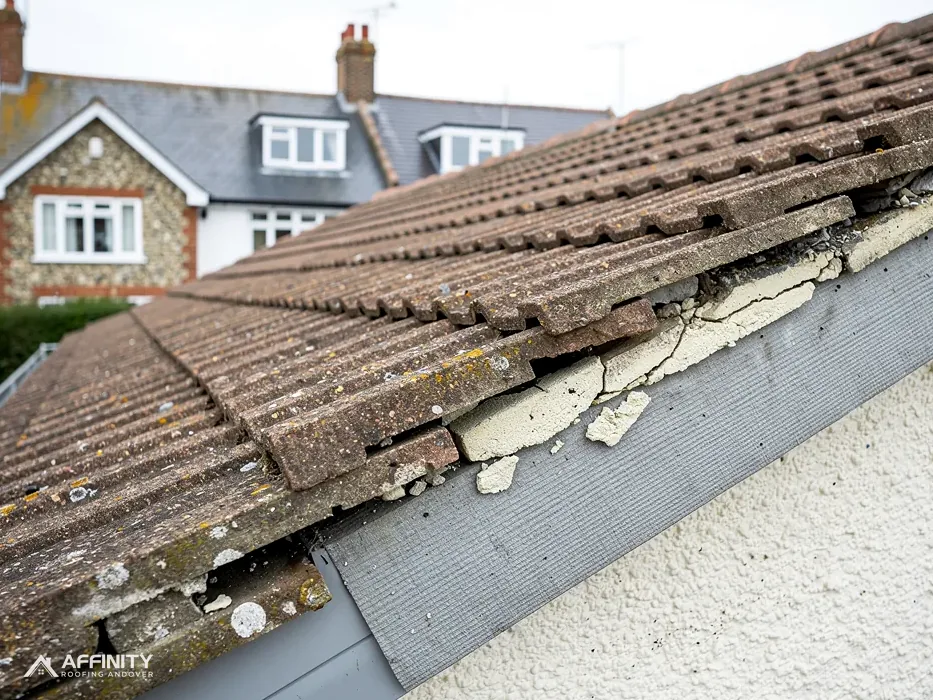
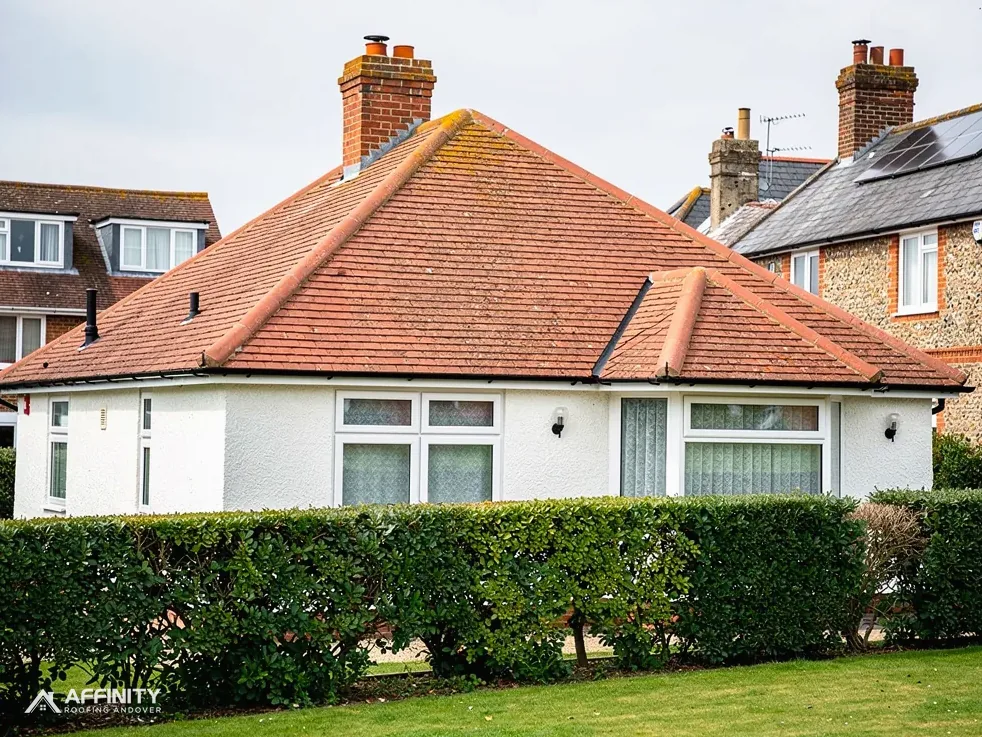
It covers three places. The ridge is the apex of the roof, the hip is the rising line at a projecting corner, and the verge is the roof's edge along a gable.
What it does not do is dictate which product you must use. Many systems from different makers can meet it, and each is designed for particular tiles. The standard tells you the system was tested. The data sheet tells you whether it suits your roof, and the two are not the same question. A roofer who can explain the difference has probably read both.
How it sits beside BS 5534
BS 5534 is the older and wider document, covering sound practice for the slating and tiling trades, and the current edition is BS 5534:2014+A2:2018. Marley says the 2014 revision stopped treating mortar strength alone as sufficient for the tiles along ridges and hips, and that change pushed the trade towards mechanical fixing.
BS 8612 is the specification for the systems that do the mechanical fixing. In everyday terms, BS 5534 says what a sound installation looks like, and BS 8612 says how a dry-fix system proves itself.
Neither is a law. Marley is plain that installing to BS 5534 is not required by law. The legal framework is the Building Regulations, and Approved Document C asks for roof coverings to be secured properly. In practice, the British Standards are how a word like properly gets judged.
Mortar has not been banned either. It can still be used when mechanical fixings share the load, and many roofs combine a mortar bed with screws or clips.
What to ask about a product
When a roofer offers a dry ridge or verge, a handful of questions separate a proper system from a vague promise. Ask for the product name and the maker. Request the data sheet and read whether it states compliance with BS 8612:2018, not just a general claim that the kit is dry fix.
Then check that the system is designed for your tile. A ridge unit made for one profile of concrete tile may not seat on a clay ridge, and a verge system for interlocking tiles is not suited to plain tiles or slate. The sheet will list compatible tiles and the pitches it covers.
Fixing details matter as much as the product. The data sheet states the screws or clips, their length and spacing, and the batten they must bite into. A system fitted with the wrong fixings is not the system that was tested.
Mixing parts from different makers can also take an installation outside what was assessed. If the roofer wants to substitute a component, ask why, and ask whether the maker allows it.
Ventilation is built into some ridge systems and is covered in our guide to a ventilated dry ridge.
Ask about spares as well. Over the years a cracked cap or a damaged clip will need replacing, and a maker that still lists the part is a better bet than one that has dropped the range.
What it means for your roof
If your ridge is mortar-bedded and sound, the standard does not force a change. An old ridge that has stood without trouble is not suddenly wrong, and one backed by fixings is acceptable.
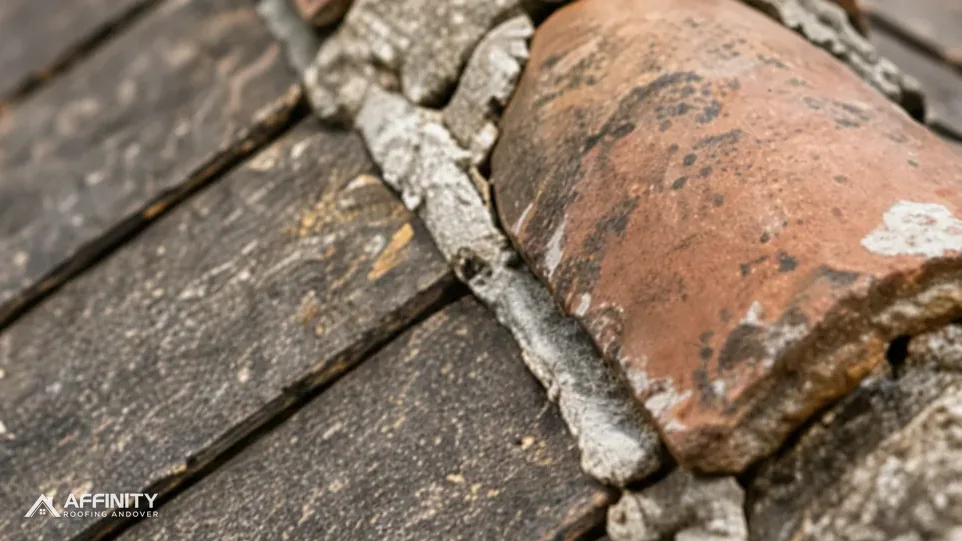
The question arises when the ridge has failed: mortar cracked and falling, tiles loose or missing. Then the choice is between re-bedding with mortar and fixings, or fitting a dry system to BS 8612. Our guide to ridge tile re-bedding covers the first route, and the answer on whether dry ridge is a building regulation covers the legal side.
Costs vary with length and access. Which? lists a single new ridge tile at £80 to £300 ex VAT, and MyJobQuote gives £225 to £550 for replacing a ridge and £500 to £2,000 for a dry verge, all as typical UK ranges.
We survey the ridge, photograph what we find and recommend a method, citing the standard that applies. If the ridge needs only a few tiles refixed, that is what we suggest, and if the whole line has failed we explain why a full replacement is the sounder buy. The dry ridge and verge hub explains each system, and the written total follows the visit.