The short answer
Verge end caps are the small fittings that finish the open ends of a dry verge run. A dry verge is the edge of a gable roof held by mechanical fixings instead of mortar. Without a cap, the end of the run lies open to wind and rain. Caps sit at the eaves end, low on the slope, and at the top where the verge meets the ridge.
Where the caps sit
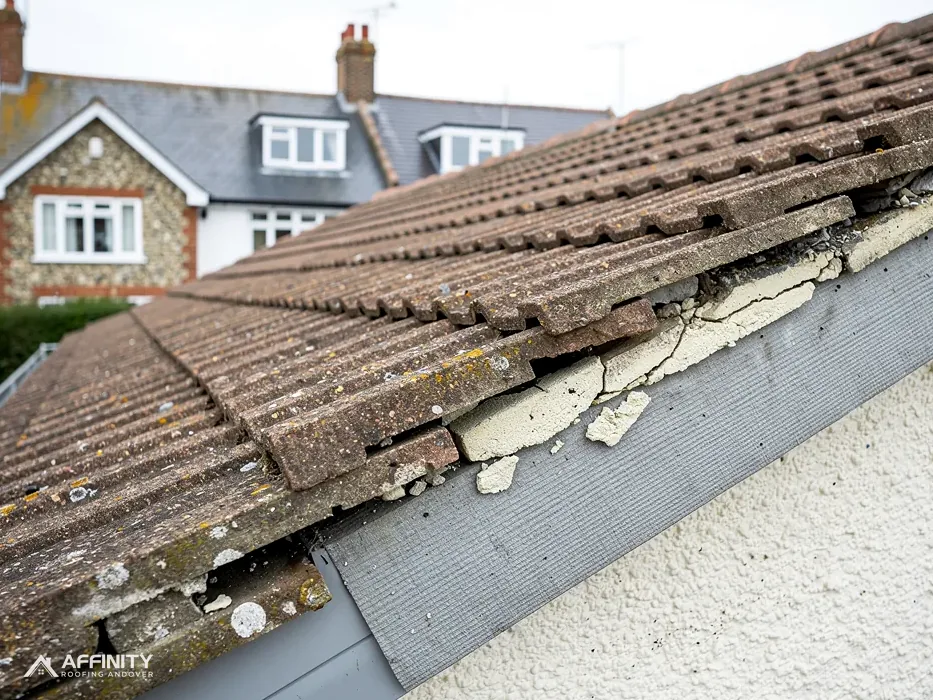
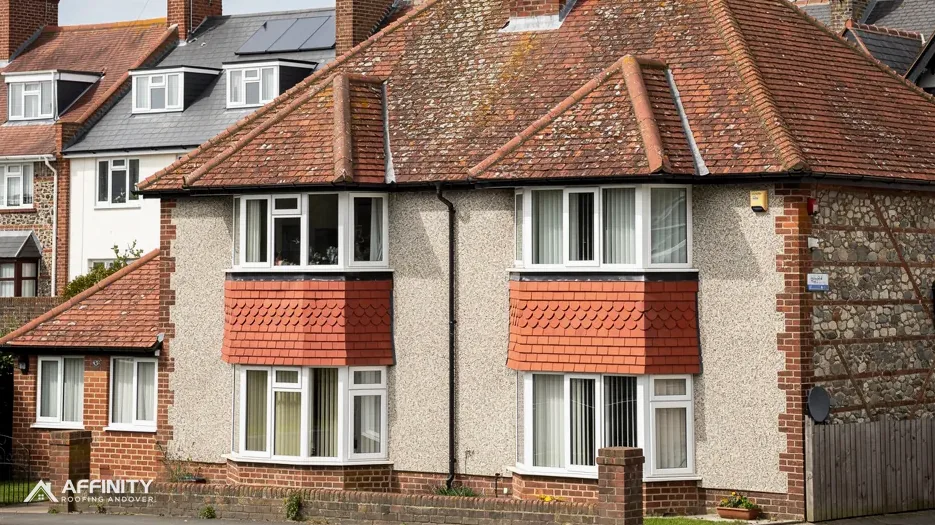
The verge is where the roof ends beside a gable wall instead of at a gutter. On a traditional roof the verge tiles are bedded in mortar. On a dry verge system they are held by clips or screws and a purpose-made profile, so no mortar is needed along the edge.
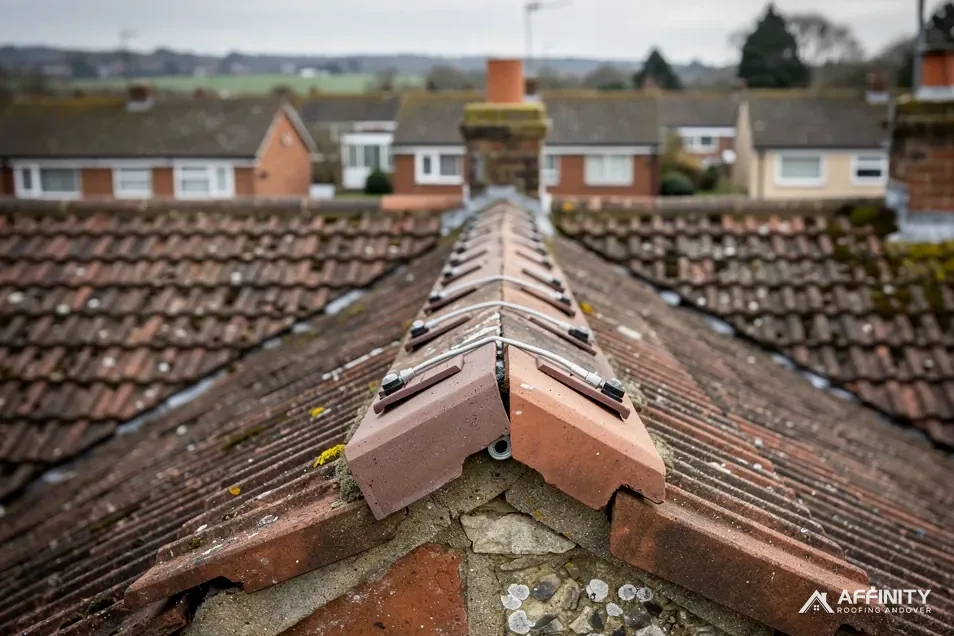
A run of dry verge has two ends. At the bottom, the eaves end, the run stops over the gutter line, and the open channel under the tiles would face the weather without a cap. At the top, the ridge end, the verge meets the ridge line, where another cap, or a ridge end fitting, closes the junction.
The cap is usually a moulded piece in the same material and colour as the verge units, and it is made to fit one profile only. Its job is to close the end, keep wind-driven rain and birds out of the channel, and give the run a tidy finish.
Systems of this kind are tested to BS 8612. Together the cap, the units and the fixings are meant to work as one set, and our answer on BS 8612 explains what the standard looks at.
How a cap is fixed
The method depends on the system, and the maker's instructions rule. In general a cap is fixed mechanically, with a screw or clip into the batten or the verge unit beside it, and bedded or sealed to stop water tracking round behind it.
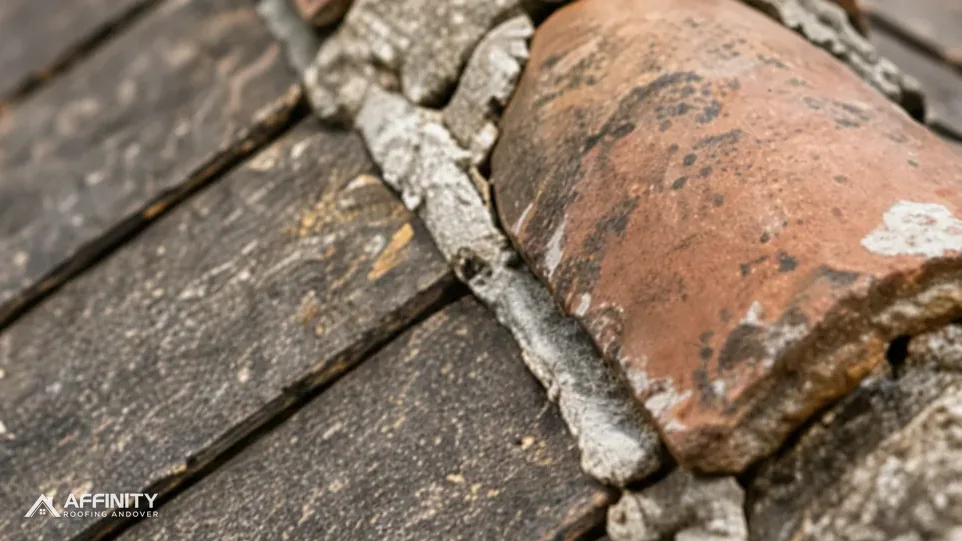
It matters that the fixing is mechanical. Marley says BS 5534 stopped treating mortar as a sufficient hold on ridge and hip tiles when it was revised in 2014, and the same reasoning applies at the exposed ends of a verge. The edge of a roof takes more wind than the middle, and a cap held only by sealant would soon work loose.
On a dry system a cap should fit the profile it closes, with no gaps. A cap from another maker, or a colour that is slightly off, may look the same from the street and still not seat, so the cap needs to match the system.
When we replace one, we check the fixing point, and the verge unit beside it, before putting the new cap on. A cap on a loose unit just falls off again with it.
Missing or cracked caps
You may notice a cap has gone from the ground: a gap at the end of the verge, a dark opening at the gutter line, or a small piece of plastic or clay lying on the path. They are light, so wind takes them first.
A missing cap is a small job with a real effect. The open end lets wind blow under the verge, which can loosen the units along the run, and lets rain run into the channel and onto the batten and the undercloak beneath. Nesting birds also use the opening.
If the cap is cracked, the same applies to a lesser degree. A cracked cap can let go in the next gust. Cap and fixing together are cheap compared to the damage when the end of a verge starts to lift.
Please keep off the roof. The eaves end of a verge sits at the roof edge, and a ladder leant on the gutter can crack it. A snap from the ground is enough for a first look, and our answer on dry verge rattling covers a verge that is making a noise.
When it needs more than a cap
Sometimes a missing cap is only a symptom. If several caps have gone, or the verge units beside them are loose, the fixings along the whole edge may have loosened. A single cap will not cure that.
Behind the verge sits the undercloak, the strip that carries the tiles past the wall, and under that the edge of the roof structure. Water that has got in at an open end can stain or soften the timber. We check this when a cap is renewed, and photograph anything that looks wrong.
The work is usually quick on its own, but access decides the effort. A cap at the eaves end of a low verge can be reached from a ladder. One at the top of a tall gable calls for a scaffold or tower, and where the scaffold would cover the road or footway, the highway authority has to license it first.
MyJobQuote's October 2026 guide puts a dry verge system at £500 to £2,000, as a typical UK range for a whole system, not for a cap. For the wider work see our dry ridge and verge page, and one written price follows the survey.