The short answer
Yes. A capped chimney that is no longer used should still be able to breathe: air enters low down, in the fireplace opening or the breast, and leaves through a ventilated cap above the pot. Without that path, damp air sits in the flue and can appear as stains, salts and peeling paint on the breast in the room.
Why an unused flue turns damp
A flue is a long shaft of brick or clay lining, open to the weather at the top. Even with a good cap, some moisture gets in, from rain driven across the pot, from condensation and from the air in the house. In a working chimney, heat from a fire dries the flue. In an unused one, nothing does.
If both ends are sealed tight, the damp air has nowhere to go. Moisture settles on the cold inner walls of the stack, soaks into the brickwork, and moves to the nearest surface it can reach, which is usually the plaster of the chimney breast in a bedroom or living room. Brown patches, white salt crystals, blistering paint and a musty smell are the usual signs.
The brickwork itself may be perfectly sound, and the cause is simply trapped moisture behind a cap fitted without a vent.
Moisture management in buildings is the subject of BS 5250:2021, the code of practice on the matter, which is the reason ventilation is built into advice on unused flues. Our guide to a damp chimney breast shows what the stains look like and where they come from.
Top and bottom: how the airflow works
The usual arrangement has two openings. At the top, a ventilated cap sits over the pot, keeping rain and birds out while slots let air pass. At the bottom, a small vent is fitted in the fireplace opening or in the breast itself, often a clay or plastic grille set flush in the plaster or the closure plate.
With air able to enter at the bottom and leave at the top, a gentle draught moves through the flue and carries moisture out with it. A flue with a vent only at the top but a sealed base gets less benefit, and a flue with only a bottom vent can let rain in if the top is open. Both ends matter.
The vent at the bottom should stay clear. Furniture pushed against it, or plaster painted over it, cuts the flow, and a vent that is covered up works no better than none. If a fireplace has been boarded over, a small ventilated panel keeps the route open.
The top matters equally. A solid cap, such as a flat slab laid on the pots with no gap, is the arrangement that causes trouble. Our page on chimney capping describes caps designed to let air through.
Which vent, and which cap
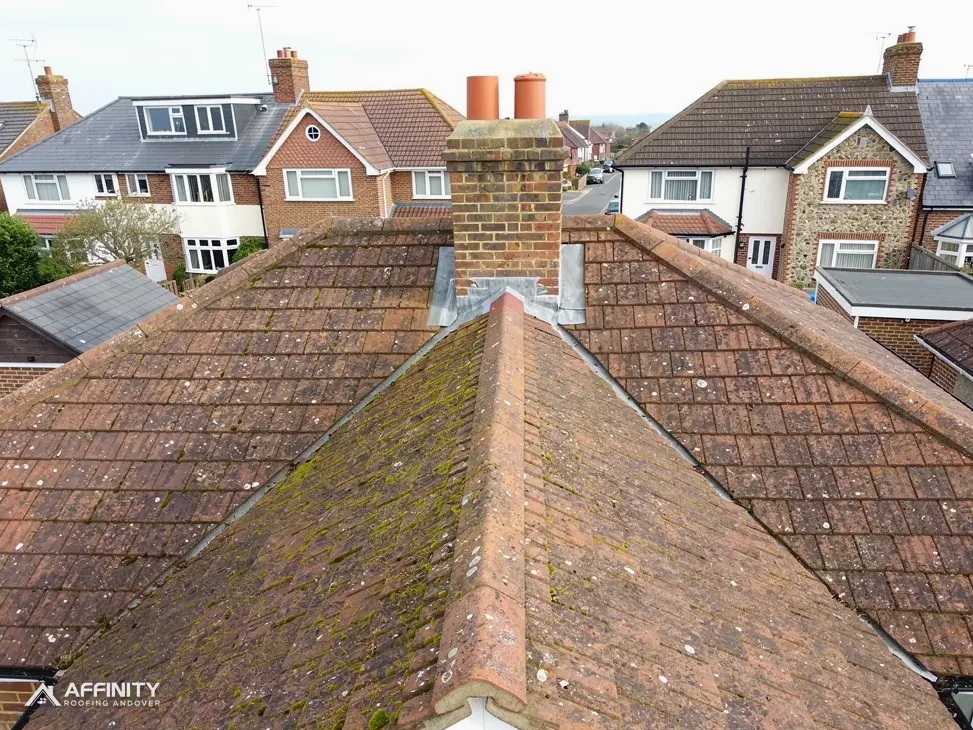
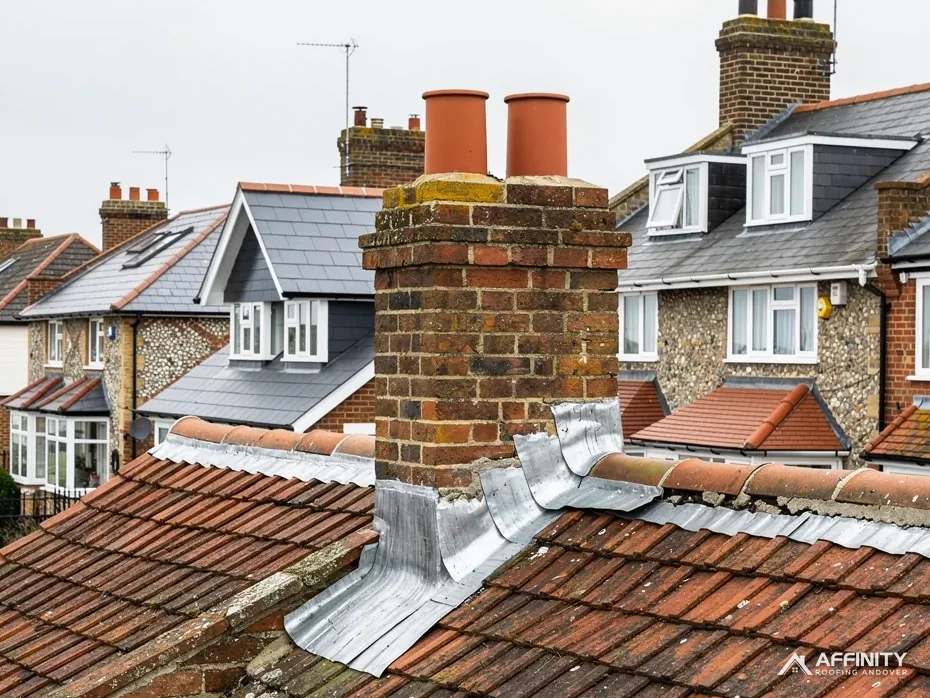
Several products do the job. A ventilated pot cowl or hood, a clay or terracotta cap with slots, and a cap with a built-in grille all keep rain out and let air pass. The chimney pot's size and shape decide what fits, and a roofer will measure it before ordering.
Cowls differ from caps in what they are for. A cowl is shaped to improve draw for a working flue, or to stop downdraughts, while a cap is meant to close an unused flue against weather. Check which you need, because the wrong one can cause the very problem you are trying to prevent. Our answer on the chimney cowl goes through the types.
If a flue is still in use for any fire or appliance, do not block or cap it without advice from a qualified engineer for that appliance. A flue that serves a working stove has quite different needs, and a cap that suits a dead flue could be dangerous on a live one.
When a flue is both unused and unsound, it may be better to take the stack down to a safe height and cap it there. Work out the sequence with us before anything is sealed.
What we check and how the price is set
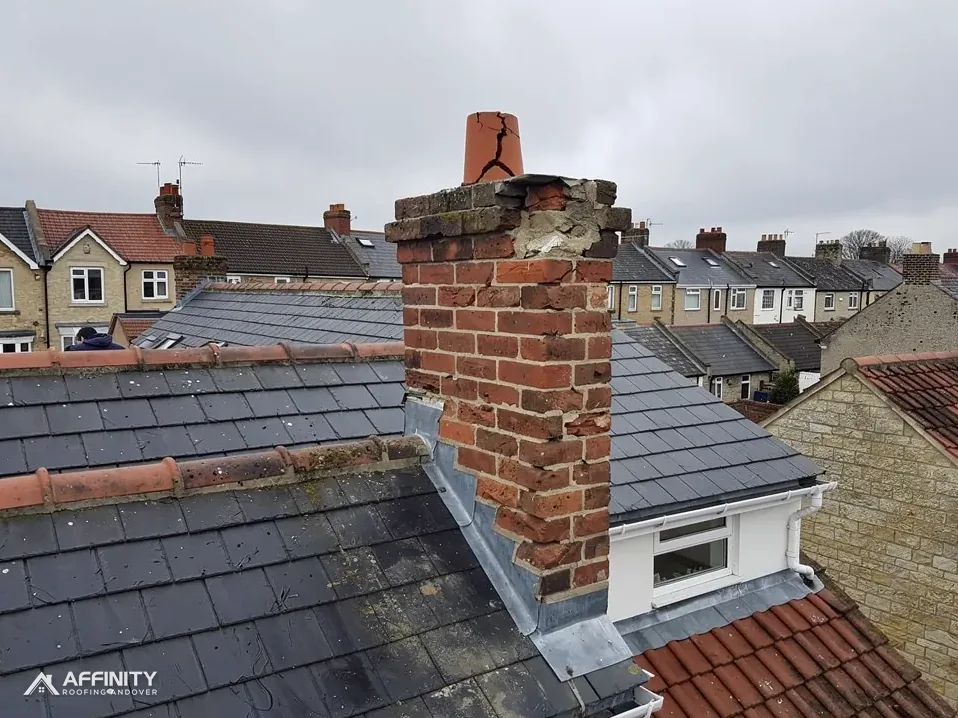
When we survey a stack, the cap and the pot are part of what we inspect, along with the pointing, the flaunching and the lead. We look at whether the existing cap lets air through, whether the pot is cracked, and, from inside the loft if we can reach it, whether the flue has been blocked with debris, nesting material or a plug of mortar.
Indoors, we ask about stains. A chimney breast that is damp at the same place every winter points us to the flue. The cause may also be water coming in at the flashing, so we check the lead before deciding that ventilation alone is the fix.
If the bottom vent is missing, we explain where it would go. Fitting one is a small job by itself, but often a decorator or builder can do the part inside the house while we deal with the cap at roof level.
The price depends on the cap chosen, the access needed and whether other work is done on the stack at the same time. A cap on a low stack reached from a tower is a modest job. We give one written total after the survey. Our chimney repairs page lists the related work.