The short answer
Often, yes. A cowl keeps rain out of the flue, stops birds and their nests, and can reduce downdraught. Which one suits depends on whether the flue still carries smoke. A fireplace or stove needs a cowl that does not restrict the draw, while a disused flue wants a ventilated cap. Fitting is work at height, so it is normally done by a roofer.
What a cowl is for
The top of a chimney is an opening to the sky. Rain falls straight down it, birds look for somewhere sheltered to nest and the wind can blow smoke back into the room. A cowl sits over the pot and tackles all three.
Rain is the biggest damage. Water running down a flue wets the lining, soaks the breast and can stain the chimney wall inside the house. In a flue with a poor liner it can carry soot and tar through to the plaster. A cap that sheds the rain keeps the flue drier.
Birds are the second reason. A nest in an open pot can block the flue, and a blocked flue is dangerous for any appliance. A cage or mesh stops birds getting in. Our answer on birds nesting in a chimney covers what to do if one is already there.
Draught is the third. Wind coming over the roof can push down the flue and puff smoke into the room. A cowl shaped to deflect the wind can calm the flue, though no cowl cures a fault in the flue itself.
A cowl is a small part of a stack, but it protects the whole of it.
Types of cowl
A rain cap is a simple lid on legs that sheds rain but leaves the sides open. It suits a flue in use, as it does not hinder the exit of smoke, though it does not stop birds on its own.
A bird guard is a wire cage or mesh fixed over the pot. It keeps birds out and lets smoke through, and it suits an open fire or a stove if the mesh is wide enough not to clog with soot. A very fine mesh can block, so the choice of gauge matters.
An anti-downdraught cowl is shaped to deflect the wind. Some are fixed and some turn with the wind. A rotating cowl spins on a bearing, which can fail with age, and the noise it makes may not suit everyone.
A ventilated cap is for a disused flue. It sheds rain but allows air to move through the flue, so that damp does not build in a sealed-off breast. Our answer on ventilating a capped chimney explains why.
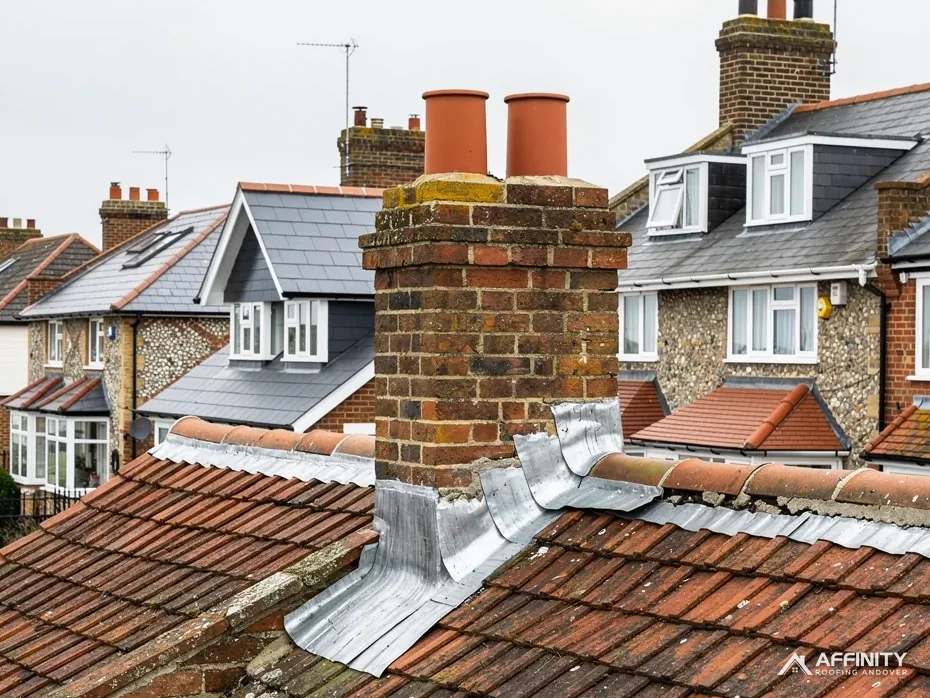
Solid pots, such as old clay ones, and different cowl fittings vary widely, so a match is needed. A cowl that does not fit well can loosen in a gale.
Tell the roofer what the flue is used for. A stove with a liner is a different case from an open fire or an unused chimney.
Fitting a cowl
A cowl is fitted at the top of the stack, so the job needs safe access. On a low roof a roof ladder may do; a tall house calls for staging, and staging is a big slice of the price.
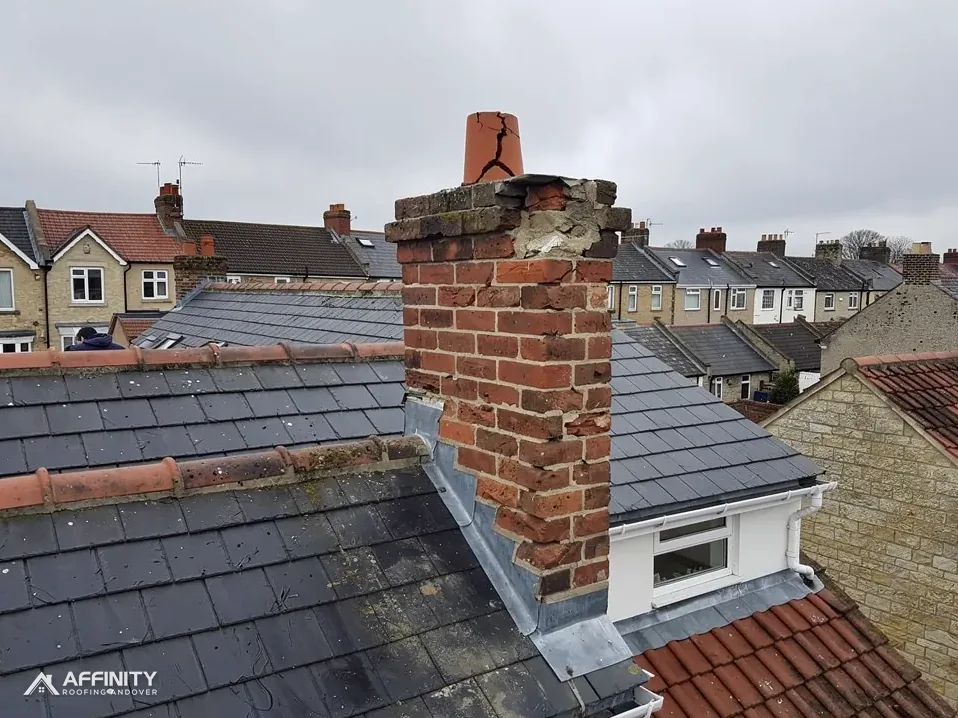
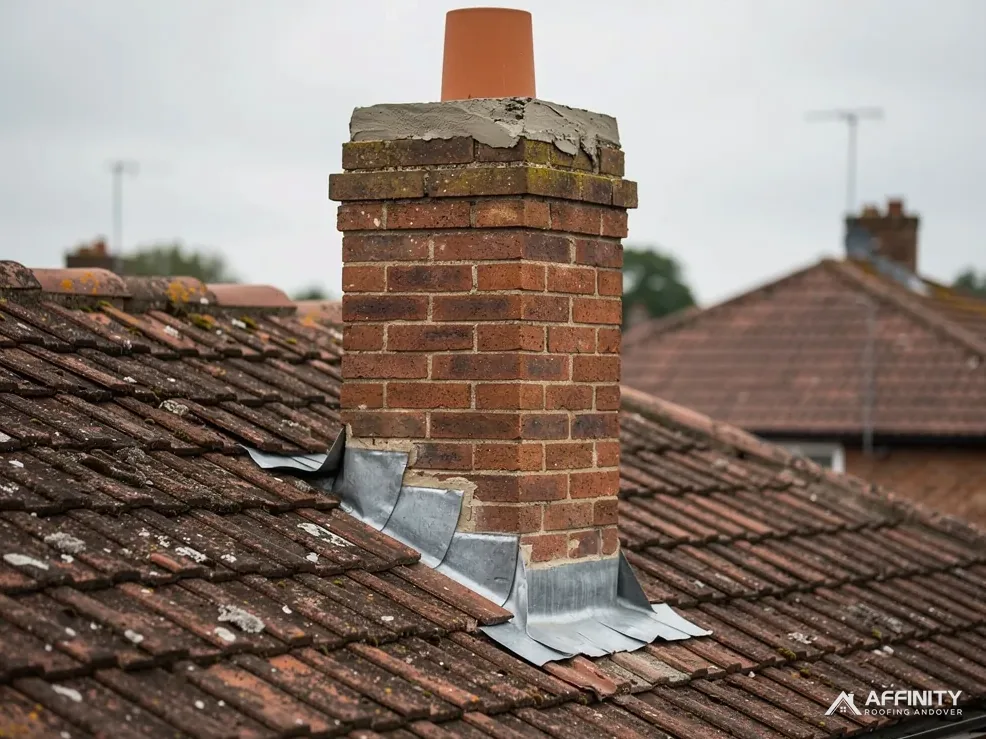
The roofer checks the pot first. A cowl stays up only if the pot beneath it is sound, and a cracked or loose pot has to be re-bedded or replaced before anything goes on top. The flaunching, the mortar cap round the base of the pots, may need repair as well.
The cowl is then fixed with clamps or brackets, or seated on the pot and secured, depending on its design. Careful work leaves the pot sound and the cowl stable in the wind.
Ask for the fitting to be photographed. Pictures from before and after show exactly what changed at the top.
A flue in use should be swept before the cowl is fitted and checked after, so that the new cap does not hide a blockage. Our guide to chimney pot replacement and cowls carries more detail.
Choosing and pricing
Start with how the flue is used. An open fire or stove needs a design that lets the exhaust out freely. A disused flue needs a ventilated cap. A flue in use that is bothered by downdraught may benefit from a deflecting model.
Ask your sweep or the installer of your appliance what they recommend. They know the flue, and a wrong cowl can make a stove smoke.
The price depends on the type of cowl, the size and condition of the pot, and the access. A cowl itself is a modest part of the cost, and the staging often costs more than the cap. The written quote, fixed after a survey, is a single total.
If the chimney shows other faults, such as cracked flaunching, loose pointing or a failing flashing, it makes sense to deal with them in one visit while the access is in place.
Our chimney repairs page shows the other jobs that often go with a cowl.