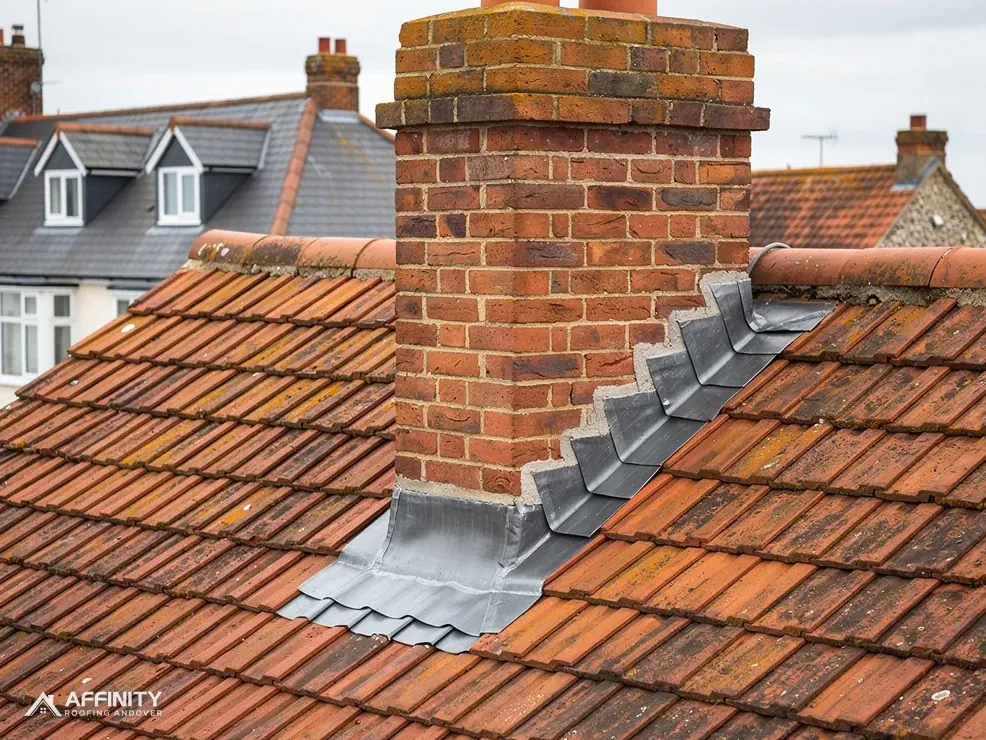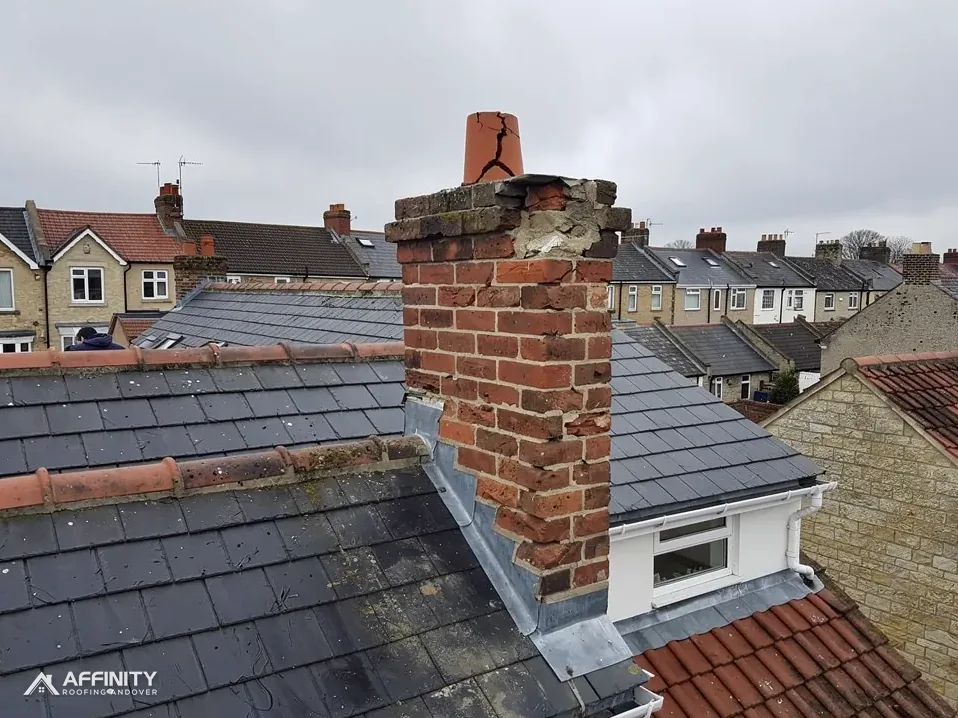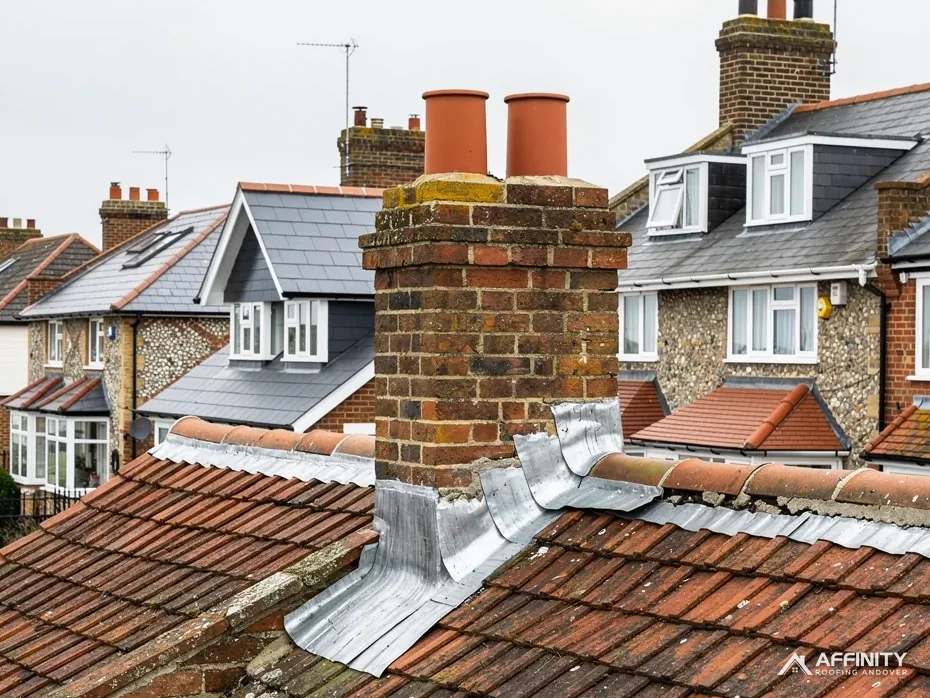
The short answer
Often not, on a plain house away from designated land, but the council judges whether the change materially alters the building's outside appearance, so ask its planning team first. A conservation area, an Article 4 direction or a listing changes the answer, and Building Regulations approval applies to a breast removal regardless. General guidance only, not legal advice.
The ordinary house outside designated land
Planning permission is needed for development, and the 1990 Town and Country Planning Act, at section 55(2)(a), excludes works that leave a building's external look materially unchanged. A stack taken off a rear slope, where little of the change shows from the street, is often judged against that test.
The permitted development order adds Class C, which deals with other alterations to the roof of a dwellinghouse. Class C is why recovering a house roof is generally permitted development. It has limits, including a cap on how far a change may protrude beyond the original slope, and it does not reach chimneys and flues, so it cannot simply be assumed to cover a removal.
The question therefore comes down to appearance. A chimney at the front of a terrace, part of a matching row, changes the street more than one at the back. The council's planning team can say whether it sees the change as needing an application. A reply in writing is better than a phone call, since it can go with the sale papers later.
Flats sit outside these rights, because a building containing flats is not a dwellinghouse for the purpose of the order.
Conservation areas and Article 4 directions
A conservation area counts as article 2(3) land, which takes away some permitted development rights, although Class C has no article 2(3) exclusion. A chimney is often part of what a conservation area exists to protect, so any change to the roofline deserves a conversation with the council before a contractor is booked.
An Article 4 direction is a separate tool. GOV.UK explains that it lets a council withdraw chosen permitted development rights across a set area. Where one covers your street, work that would be allowed elsewhere may need an application. What each council's directions cover varies, so ask your council in writing whether one covers your address.
Basingstoke and Deane shows how specific these can be. Its directions for four town conservation areas require planning permission for roof changes and say original slate and clay roofing should stay. Other councils in this part of Hampshire, Wiltshire and Berkshire differ, and the planning team is the body to ask.
In Andover the town's conservation area is within Test Valley Borough Council's planning area. Our page on chimney repairs in a conservation area goes further, and the chimney repairs hub gives the wider service.
Listed buildings and listed building consent
Classes B and C still apply to a listed house, yet listed building consent is needed too for changes that alter its special interest. Section 7 of the Planning (Listed Buildings and Conservation Areas) Act 1990 makes unconsented work to a listed building an offence. A chimney is frequently central to that interest, so taking one down or cutting it back is normally a matter for the conservation officer.
Consent is a different application from planning permission, with its own process. A listed home can need both. Churches are different again: an Anglican parish church still in worship follows the faculty system, not listed building consent.
Allow plenty of time for a listed application, because decisions are not quick, and do not book roof work in advance. A scaffold may be needed to inspect the stack safely, and that should wait for the decision as well. Our guide to listed building chimney repairs covers repair work, where like-for-like repairs are usually easier to agree than removal.
If you are not sure whether your home is listed, the National Heritage List for England records every listed building, and the planning officers can tell you how your own address is treated.
Building Regulations come into it anyway
Even where no planning application is needed, Building Regulations apply. The Planning Portal treats a chimney breast as structural, so approval is always needed to take one out. It carries the stack, and sometimes more, so removal needs a structural design and a proper support that your building control body inspects.
Where a neighbour shares the wall, a party wall notice with two months' lead time may also be needed. Our answer on the party wall notice for a chimney breast covers that.
The roof is the part we deal with. If the stack is coming down, the opening is closed over with new covering, battens, which are the small timbers the tiles or slates hang from, and lead where needed, with support from the loft side.
A sensible order is to ask the council about planning, confirm the Building Regulations route, deal with any neighbour notice, and then book the roof work. Booking in that order avoids paying for scaffold and labour that then sit idle while an approval is awaited. We survey the stack from the roof and give one written total.