The short answer
A like-for-like repair usually does not, because work that leaves the outside looking the same is not development. Removing or rebuilding a stack differently is another matter, and an Article 4 direction can withdraw rights that otherwise apply. Listed buildings need listed building consent as well. Ask the planning authority about your address before the work begins.
Repairing like for like
Planning control bites on development, and section 55(2)(a) of the 1990 planning Act leaves out works that make no material difference to how a building looks from outside. Restoring what was there, in the same brick, mortar and form, normally sits on the safe side of that line.
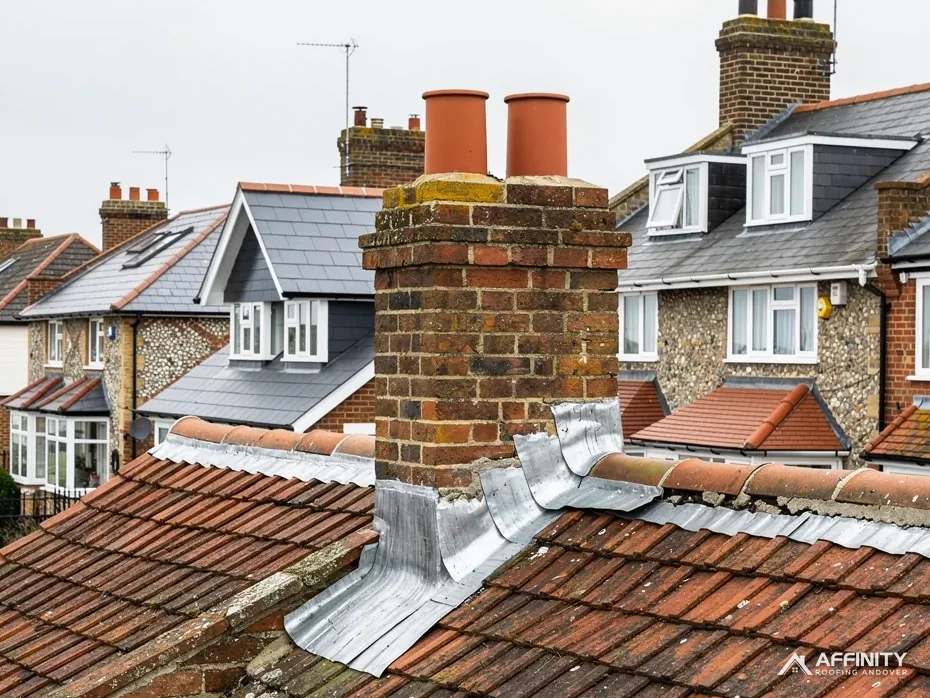
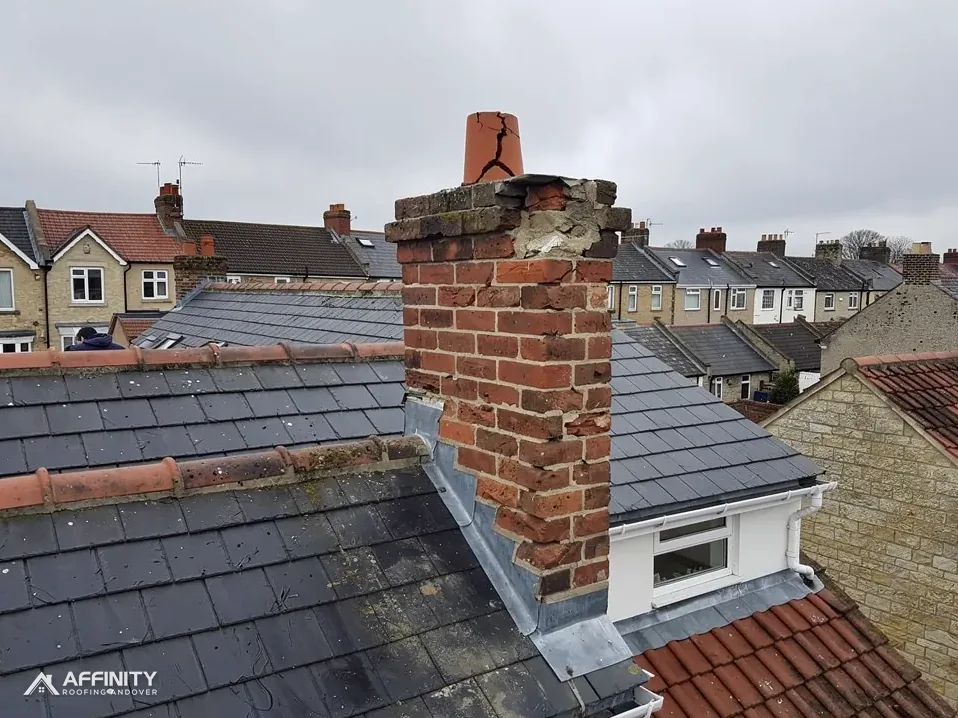
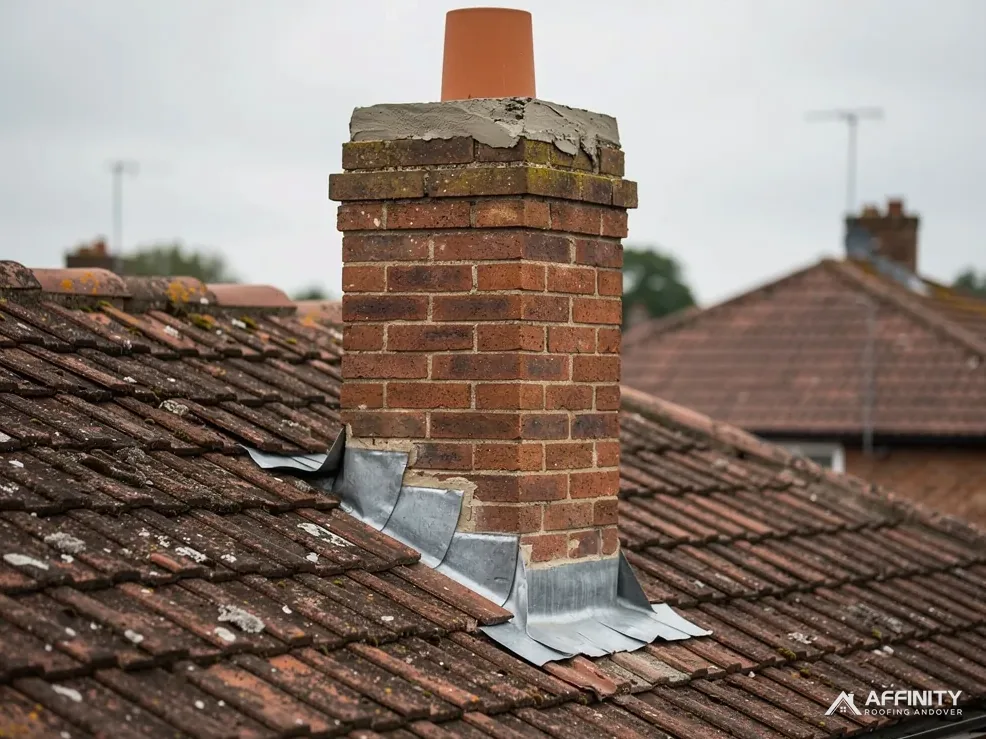
That covers the usual stack jobs: repointing, replacing a few bricks, renewing flaunching, fitting a new flashing and swapping a pot for one of the same type. Done carefully they leave the outside of the building as it was.
The words like for like carry weight. A new pot of a different design, a mortar that changes the joint colour, a cement render over old brick or a cowl that alters the profile can alter the appearance and so invite a question. Matching the old work is the safe course.
A conservation area does not by itself turn a repair into development. It does mean that the appearance of the stack is more likely to be noticed from the street, and that the council cares about it.
If you are in any doubt, email the planning team a picture with a line on the work before you start, and keep their reply.
When removal or alteration changes the answer
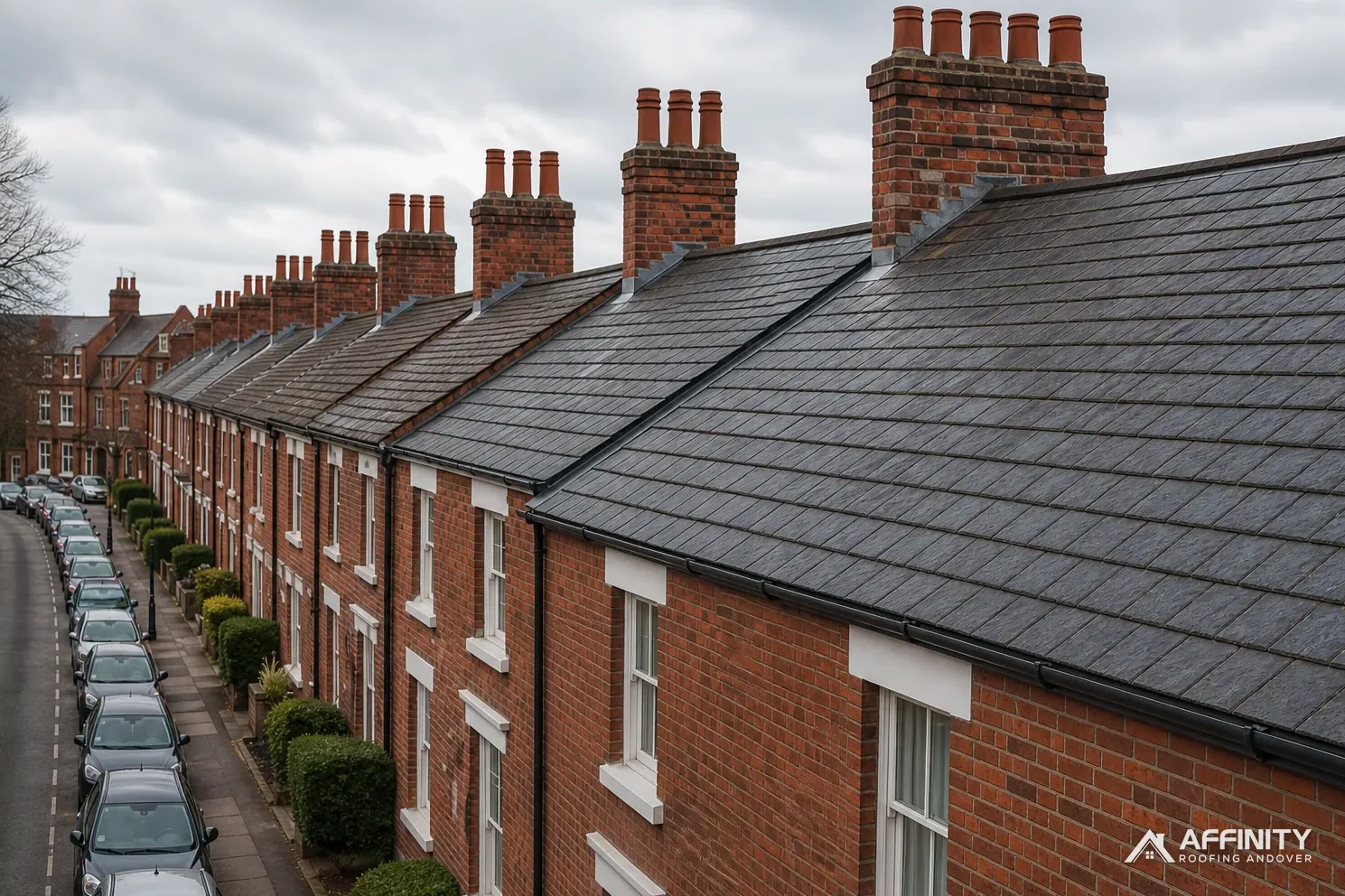
Taking down part or all of a stack is where the questions begin. It changes the outline of the house and may remove a feature that gives the street its character. In a conservation area that is something a council wants to look at.
Class C of the permitted development order covers other alterations to a house roof, but it carries a limit: paragraph C.1(d) rules out work that includes a chimney, a flue or a soil pipe, and solar equipment. So the usual roof-alteration right does not stretch to installing, altering or replacing a chimney.
Building Regulations are separate again. On a chimney breast being removed, the Planning Portal says Building Regulations approval always applies, as the breast belongs to the building's structure. A neighbour's side may bring in the Party Wall etc. Act as well.
Roof changes beyond repair raise their own questions in a conservation area, and they are best raised with the council.
The practical answer for removal is to ask the planning authority first. In the Andover area that means Test Valley Borough Council for most addresses, and the national park authority within the park boundaries.
Our guide to removing a redundant chimney stack goes through the steps.
Checking for an Article 4 direction
An Article 4 direction is the council's tool for taking named permitted rights away within a set area. A conservation area is one place one can be used, and it can guard the details a street is known for, such as chimneys, roof slopes and fronts.
Whether one applies to your street depends on the council. Basingstoke and Deane has directions in four town conservation areas that cover roof changes, and it expects original slate and clay to stay. Hart has older directions for frontage roof slopes and chimneys. For other councils, including Test Valley, check with the planning team whether a direction affects your address.
The effect is that work which would normally be permitted may need an application. A repair of the like-for-like kind is still outside planning control, but a replacement that changes the look might not be.
Ask in writing and name the property, the street and the work. A clear answer protects you against enforcement and a later sale problem.
If you buy or sell a house in a conservation area, the solicitor's searches may reveal a direction, so keep the council's reply with the deeds.
Listed buildings and the survey
A listed house keeps its permitted development in Class B and Class C, as the order excludes nothing on grounds of listing. It still needs listed building consent under section 7 of the Planning (Listed Buildings and Conservation Areas) Act 1990 for any works touching its character, and a chimney is often part of that character.
Even a repair that would be harmless on an ordinary house can be a question on a listed one: the mortar mix, the joint profile and the bricks all matter. A conservation officer wants to see matched materials, and may ask for a sample.
Our approach is to survey the stack and photograph it before anyone touches it. That record shows the bricks, the bond, the pot, the flaunching and the lead as they are, and helps the council see what like for like means on your house. A single written price follows.
Churches are different. A Church of England church that is in use follows the faculty route instead of listed building consent.
Our guide to chimney repairs on listed buildings covers the consent route, and the chimney repairs page explains the work.