The short answer
There is no single number, and anyone who gives you one for every chimney is guessing. Repointing lasts as long as the mortar can shed water and the bricks stay sound, and that depends on the mortar chosen, how exposed the stack is, and how well the old joints were raked out first. A well matched repair on a sheltered stack can outlast a rushed one by a wide margin.
Why a stack wears faster than a wall
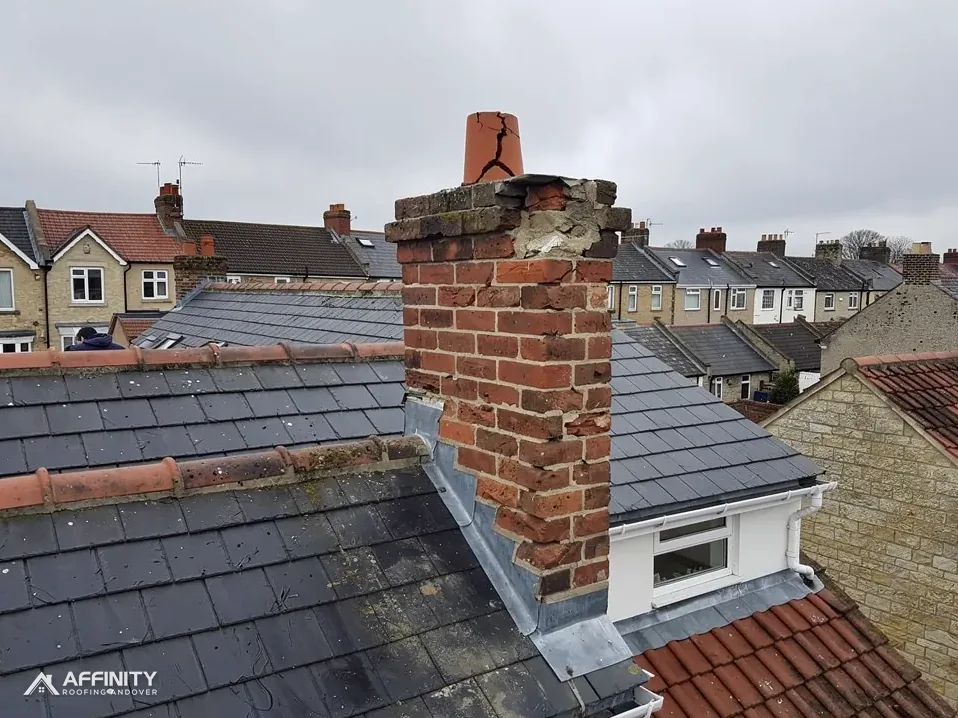
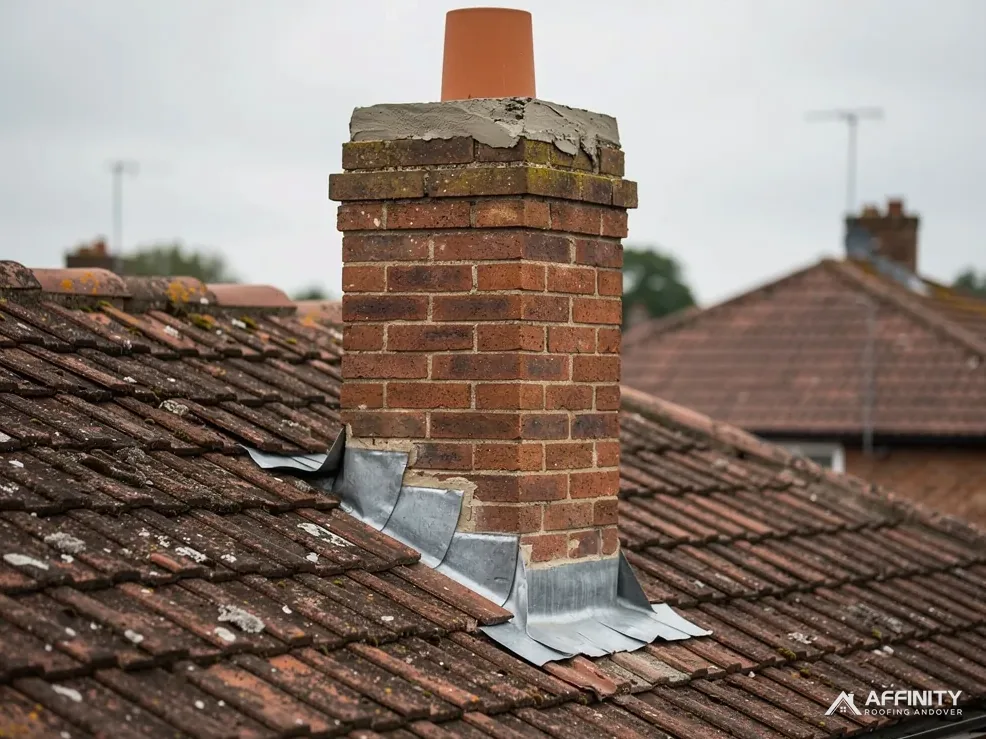
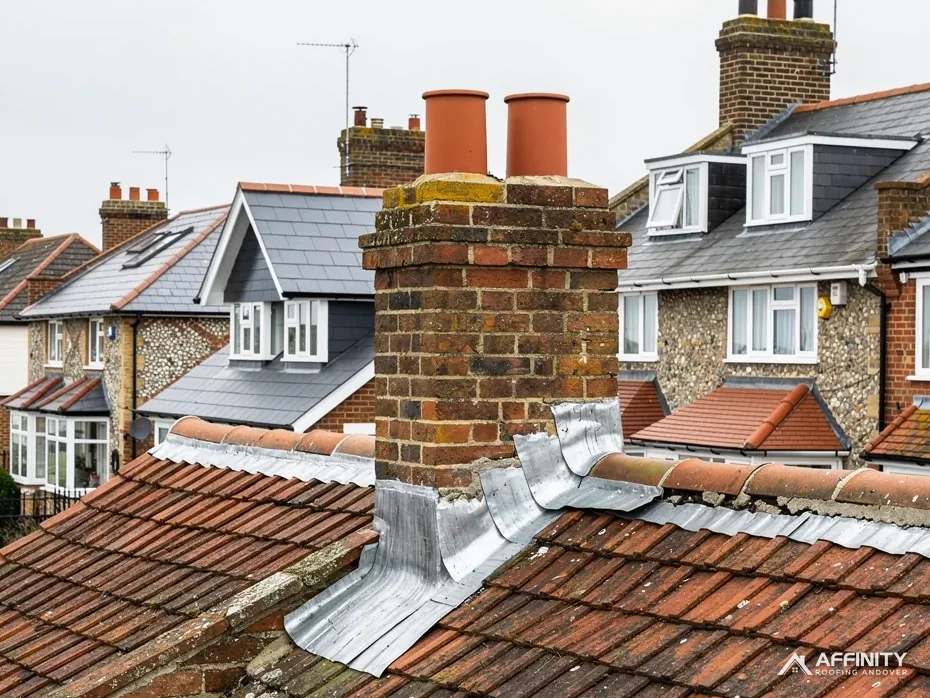
A chimney is the most exposed brickwork on a house. It stands above the roof with wind and rain reaching every face, and its top courses get wet and then dry out again many times over. Nothing on a downstairs wall is treated so hard, which is why pointing on a stack tends to give up sooner than the pointing on the house below it.
Pointing is the visible face of the mortar joint, the part you see between the bricks. It is meant to weather. When it erodes back, rain reaches the bed of the joint, then the edges of the bricks, and from there the damage widens. Seen in that light, repointing is routine upkeep, done before the bricks themselves start to suffer.
Where the stack sits on the roof matters too. A stack on the ridge takes weather from both sides. A stack built into a gable wall has one face against the house. A stack on a slope with a high roof behind it is partly shielded. We look at which faces are worst, because they set the pace for the whole job.
Gutters and flashings nearby also change the rate: a leaking joint in the lead keeps one face permanently damp.
Mortar choice and how long it holds
The mortar is the biggest single decision. Older brick is usually softer than modern cement mortar. A mortar that is harder than the bricks around it leaves the bricks to do the weathering, so their faces flake away while the joints stay proud. A mortar that is softer than the brick wears first, as intended, and can be renewed without harming the masonry.
That is the reason lime mortar is often chosen for older stacks, and cement-based mixes for newer, harder brick. Our guide to chimney repointing in lime mortar goes through how the mixes differ and when each suits.
Preparation counts as much as the mix. Old joints have to be raked back to sound mortar, to a depth that gives the new material something to grip, and brushed clean of dust. Pointing laid over loose, dusty or damp joints may look tidy on the day and let go within a few winters. The new mortar also has to cure slowly, which means working in suitable conditions and protecting it from rain and frost while it sets.
Exposure, brick condition and what shortens the life
Three conditions shorten the life of repointing. The first is a stack with brick that is already spalling, which means the faces are flaking off. New joints cannot hold if the edges they key into are crumbling, so those bricks must be replaced first. The second is water arriving from above, through a cracked flaunching (the mortar cap that seats the pots) or a pot with no cover, which saturates the joints from the inside. The third is a mismatch between old and new materials.
Moss, ivy and shaded faces also keep joints wetter for longer, and wetter joints age faster. A face that sees no sun in winter stays damp for months.
None of this means a stack cannot be repointed more than once. It can, and good repointing is meant to be renewed in sections as the weather faces wear. What it cannot do is cure a cracked or leaning stack. If movement is behind the cracks, new pointing only hides it, and it is better to fix the cause. Our page on the chimney flaunching explains the mortar bed round the pots.
How we judge it, and what a quote covers
On a survey we reach the stack and photograph each face, so you can see the joints we mean. We press the mortar with a tool to find out how deep the weathering goes, because joints that look intact from below may crumble when tested. We check the bricks, the flaunching, the pots and the lead, since a repointing job done over a failing cap would waste the mortar.
A repair is not a promise of years. Life is a matter of weather, brick and workmanship, and any figure offered as a certainty should be treated with caution. What we can tell you is which faces are most likely to wear first, which mortar suits your bricks, and what else on the stack needs doing alongside.
The price follows from that survey: the height, the access, the number of faces and the amount of raking out. It comes as one written total. For the broader cost picture see our guide to chimney repair cost, and for the whole service the chimney repairs page.