
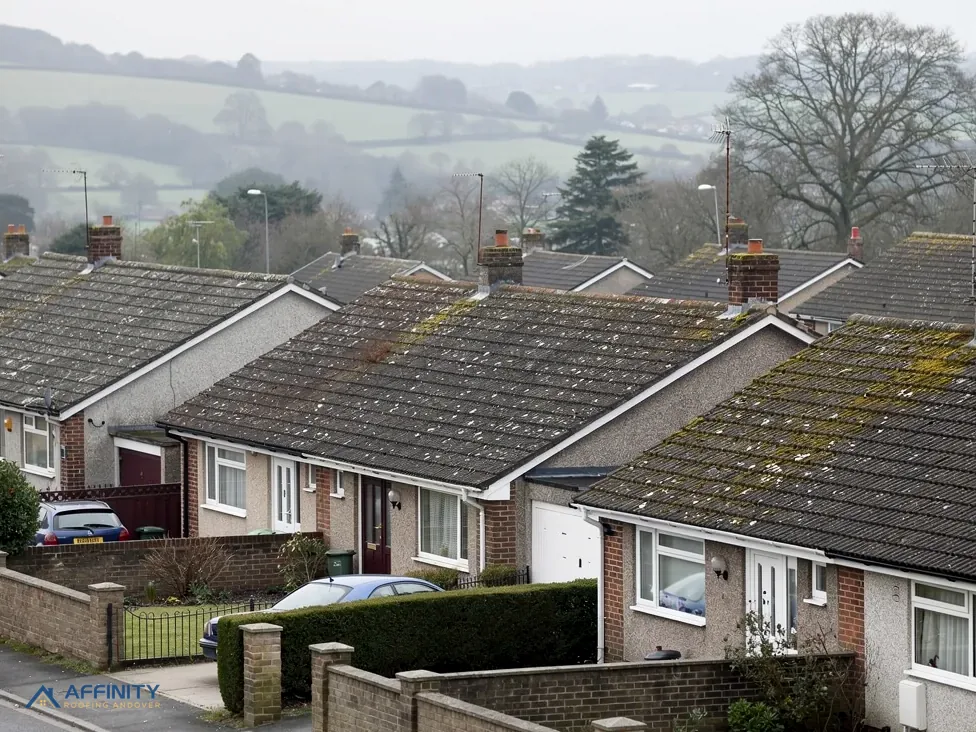
Roofers in Market Lavington
Two Grade I buildings and a village of listed neighbours
Market Lavington has 60 listed buildings within 500 metres of its centre. Each roof here is surveyed first, then you receive pictures of the findings and a single written price.
Market Lavington roofs, from St Mary's to The Old House
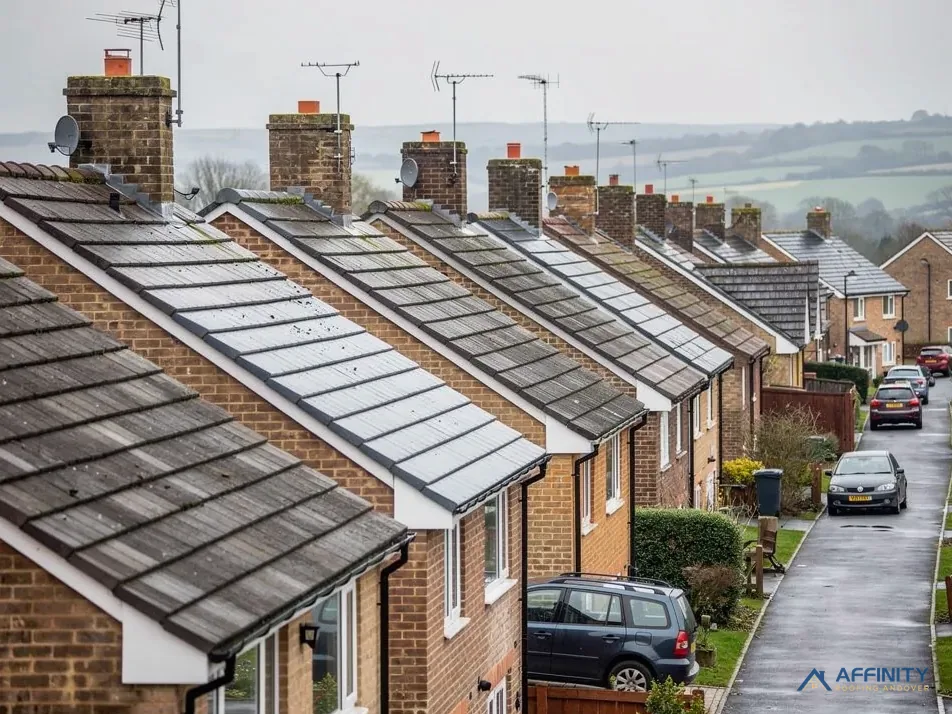
Two Grade I buildings
St Mary's church and The Old House are both Grade I, and nearby roofs are judged against that setting.
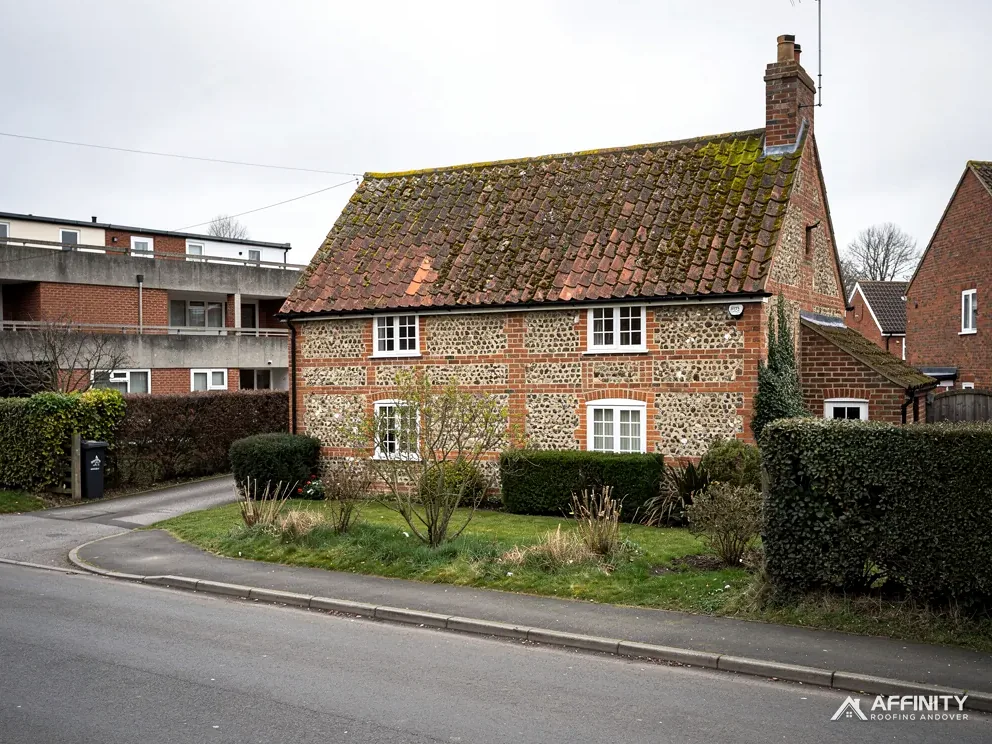
The Vicarage and its neighbours
The Vicarage is Grade II, one of dozens of protected buildings packed close around the village centre.
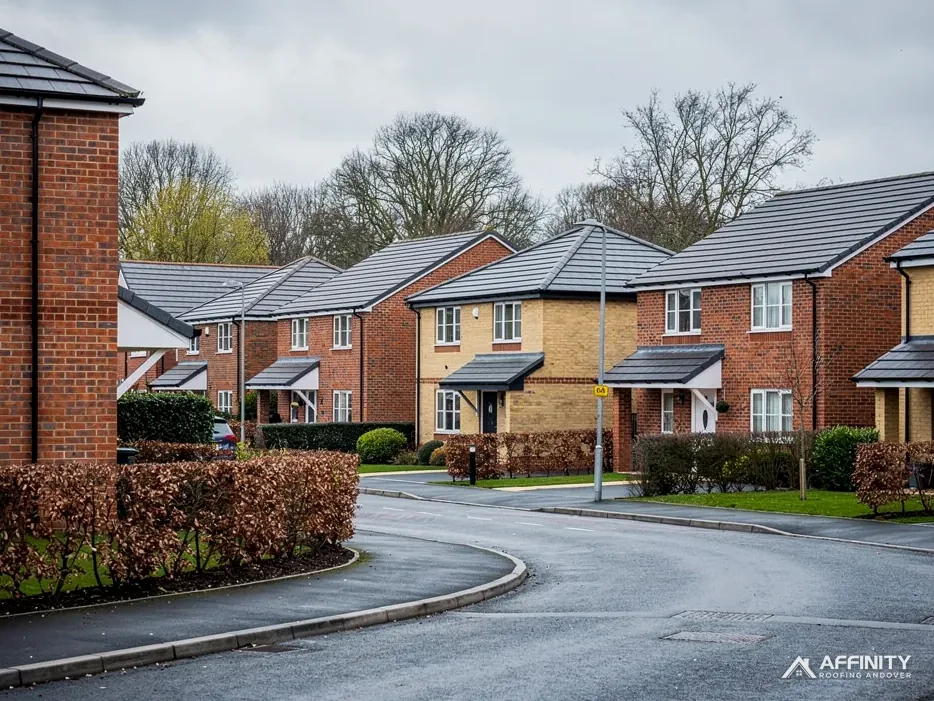
Homes in the conservation areas
Houses inside the Market Lavington or Easterton conservation areas, where visible roof changes are discussed with the council first.
Market Lavington south of Devizes
West Lavington lies to the south-west, Urchfont to the north-east, Potterne to the north-west and Devizes to the north. Our roofers work in all four of these places.
- Distance
- 27.3 road miles west of Andover
- Planning
- Wiltshire Council
The Market Lavington roof report
Local editionMarket Lavington, WiltshireSixty listings and one council
Sixty listed buildings in 500 metres: reading a Market Lavington roof before it is touched
Market Lavington packs two Grade I buildings and dozens of other listings into a small village centre. This report explains how Wiltshire Council handles roofs here, what the two conservation areas ask of an owner, and how a scaffold gets licensed.
Planning, inspection and the road: all Wiltshire Council
Market Lavington parish had 2,046 usual residents at the 2021 Census. Its roofs come under Wiltshire Council, a unitary authority, and that single council takes three roles at once. It decides planning applications, it inspects building work through its own Building Control service at Monkton Park in Chippenham, and it licenses anything that stands on the highway. A homeowner who has worked in another county may expect to deal with a district and a county; here one organisation holds all the pages.
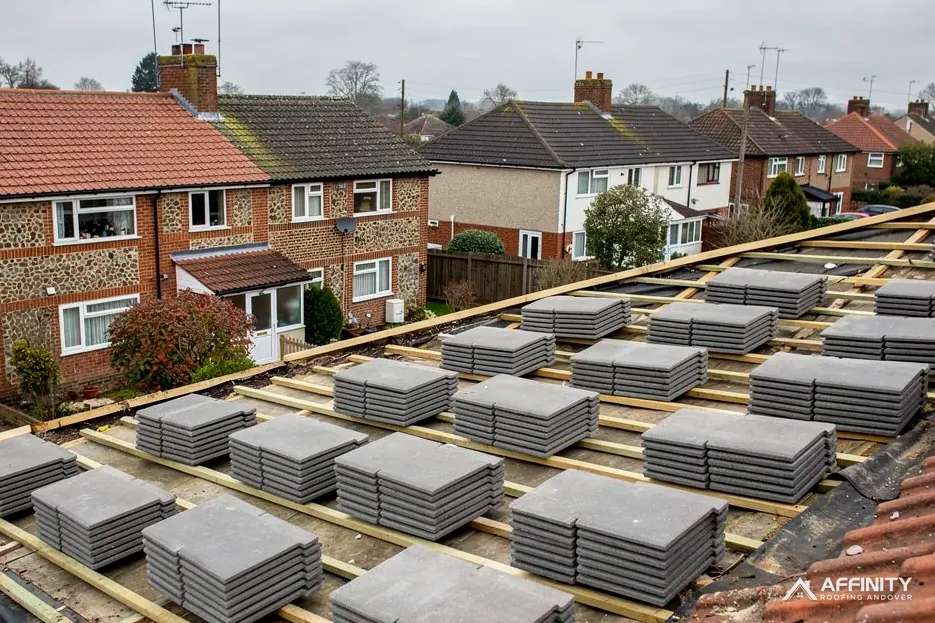
That keeps the first conversation short. When a roof is only being mended, with a slipped tile here and a failed ridge there, nobody outside the household and the roofer needs telling. A re-roof raises the building control question. The Planning Portal gives two limits: below 25 per cent of the building envelope and below 50 per cent of the roof, building control normally need not be involved. The envelope means everything between inside and out, namely walls, floor, roof, windows, doors and rooflights, so a roof job is measured against the whole building and not the roof alone. Wiltshire Council has no figure of its own, so we work to those limits and ring the council whenever a roof lies close to either one.
A second yardstick is weight. The Planning Portal says a new covering that is 15 per cent or more heavier needs Building Regulations approval, and it recommends a structural check before the work starts. Wiltshire Building Control can be reached on 0300 456 0113. A private route is open too: a registered building control approver can be appointed, under rules in force from 6 April 2024.
Before any of that, we do the work that makes the answers reliable. A roof is read from the ground and then from the slope: sagging lines, missing tiles, lifted ridge pieces, damp stains in the loft. The pictures go with your file, so if the sums point towards approval you have the evidence in hand when the council asks. The same set goes to the scaffolder, so the frame is sized to the roof and not guessed.
Paperwork after the survey deserves a word as well. A contract agreed at your own kitchen table after a survey falls under the rules for sales away from business premises, and those give you 14 days to cancel. The exception is an urgent repair that you asked a trader to attend as an emergency, where that right does not apply. Ask any roofer for the cancellation terms in writing, and ring the Citizens Advice consumer helpline on 0808 223 1133 if anything is unclear.
Two Grade I buildings and 60 neighbours
Historic England's list records 60 listed buildings within 500 metres of the middle of Market Lavington, and each entry gives its grade and listing date. Two are Grade I, the highest grade: the Church of St Mary (1035835) and The Old House (1035851), both first listed on 19 March 1962. The Vicarage (1035832) is Grade II. A roof near those three stands in a street where neighbours are protected in some way, so tiles, ridges and chimneys are all seen against old company.
The Market Lavington and Easterton conservation areas both lie within about 0.75 kilometres of the village centre, drawn from Wiltshire Council's own mapped boundaries. Easterton, next door, has a separate conservation area of its own on the same map. A new dormer is the obvious example of a change to the roof's appearance that the council's planning team should hear about early; our guide to planning permission for roof work maps the limits. Whether an Article 4 direction covers your street is also for Wiltshire Council to say. A house that is unlisted but stands in a conservation area does not become listed by its address, so the consent question is different, though the courtesy of a phone call is the same.
If your house is itself listed, the rules tighten. Work affecting its character needs listed building consent, which is a separate application from planning. Where we can, we put back what was there: matching tile or slate, fixed as before, with salvaged pieces found if a new one would stand out, and the colour and texture of any replacement noted. The covering, the ridge and the verge are photographed, and the council receives a plain description of what would change.
Not sure whether your house is on the list? Find out before you commission anything, because the answer decides which consent route applies and how long the paperwork takes. Searching Historic England's list by address, or asking Wiltshire Council's planning team, settles the point in minutes. Ladders and a frame may also cross a neighbour's boundary in a tight village street, and since the neighbour's roof may be protected as well, we raise access with you early.
The church deserves its own note. St Mary of the Assumption, on Church Street, belongs to the Church of England benefice of the Lavingtons, Easterton and Cheverell, and the benefice lists regular communion services across its churches on A Church Near You. For a church in that use, roof work needs a faculty from the diocese's consistory court, not listed building consent, and it waits for that faculty, which we ask to see in writing.
“In Market Lavington, the house next door may well be a listed one.”
Scaffold permits, flood land and the jobs we price
A Market Lavington house that fronts the street may need its scaffold on the public road, and the licence section 169 of the Highways Act 1980 requires then comes from the highway authority. Here that is Wiltshire Council, with the scaffolding supplier lodging the application on the MiPermit portal. Wiltshire Council sets the fee by notice: £143.80 for an application received over three working days ahead, £164.70 for a later one.
Every Wiltshire licence is valid for 28 days, and the council asks for public liability insurance of £5 million from the scaffolding firm and anyone else working on the frame. A scaffold on private land, like a back garden or a drive, needs no licence. We choose where the frame goes with that in mind, because a rear access can save the cost and the delay of a highway permit. The scaffold forms part of the one written price.
The Environment Agency's Flood Map for Planning places Flood Zone 3 within about 250 metres of the centre of Market Lavington. That does not describe any particular street or house. It does mean that gutters, hoppers and downpipes deserve attention whenever we survey a roof here, since a blocked outlet is a simple thing to fix when you know where to look and an expensive one to ignore.
After storm damage the order is: insurer, temporary repair, evidence. Your insurer hears first, a temporary repair follows, and photographs and receipts are kept throughout. Whether the weather qualifies depends on the storm wording in your policy, and if a claim is refused you can complain to the Financial Ombudsman Service on 0800 023 4567. Our first step on a leak is to make it safe, and our findings are written up for your insurer with dated photographs.
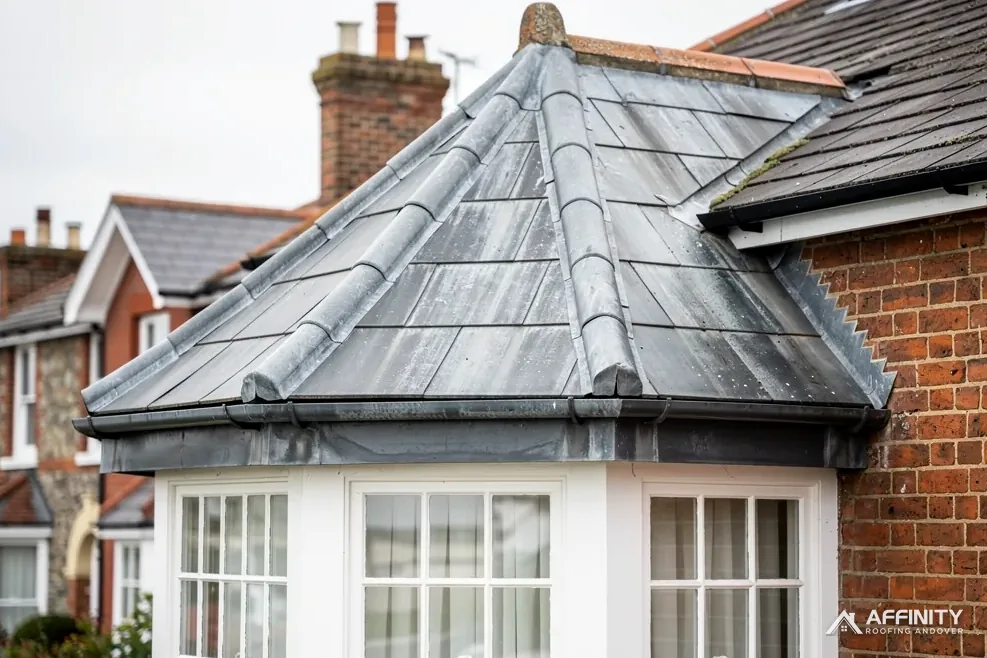
Old buildings in Market Lavington can carry lead roofing in the valleys, flashings and around the stacks. Our roof repairs start with those details, because they are the parts that move and wear at the joints. A chimney repair can also fall to us, and pitched roofing work runs from a patch to a full re-cover, in each case with photographs before and after.
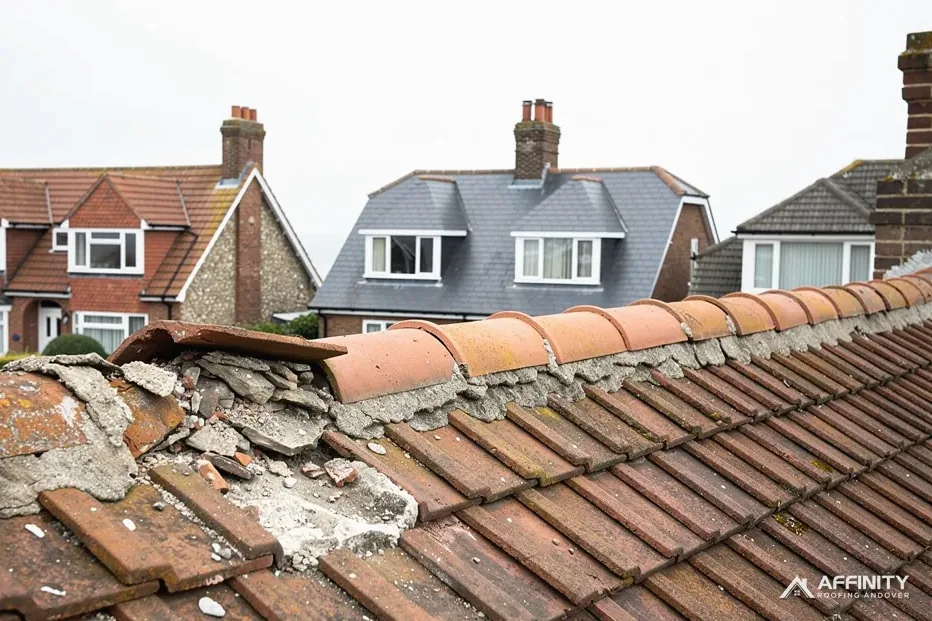
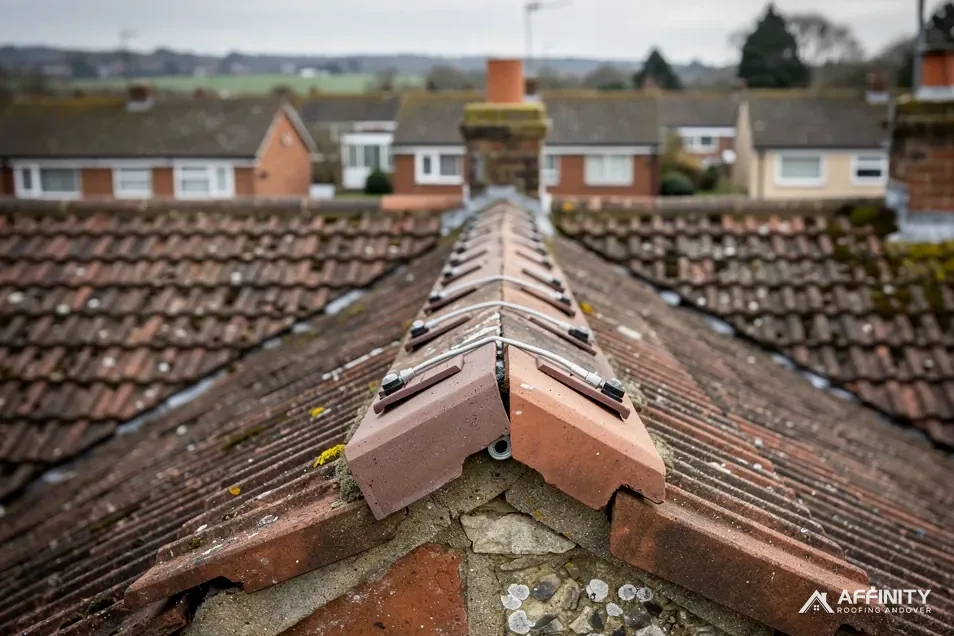
Ridges and verges get our first look on older roofs. Ridge tiles cap the apex where the slopes join, and the verge is the sloping edge over a gable wall. Both were traditionally bedded in mortar. Modern practice uses dry-fix systems tested to BS 8612, and mortar is not banned, only not relied on alone.
What we can do for your Market Lavington roof

Market Lavington roofs: listings, licence and the flood map
Can a Market Lavington Grade II house near St Mary's be mended with new tiles?
New tiles can be used if they match, and the council must agree when the house is listed. Alterations to a listed building's character need listed building consent. We start with like-for-like repair, record the existing covering with photographs and look for reclaimed tiles that sit in. Wiltshire Council's planning team then confirms whether consent is required for the repair proposed, before anything is ordered.
Does a Market Lavington conservation area affect a gutter replacement?
It can, if the new gutter changes how the front of the house looks. Plain like-for-like replacement is unlikely to raise questions, but a different material or profile might, so ask Wiltshire Council's planning team first. An Article 4 direction might also apply, so ask the council about your street. We photograph the existing run so the council can compare, noting colour and finish.
How much notice does a Market Lavington scaffold licence need?
Wiltshire Council sets the fee by notice: £143.80 when the application arrives over three working days ahead, £164.70 when it is later. The scaffold supplier applies through MiPermit, and we arrange that with them. A frame in a back garden needs no licence, so the survey notes where it can stand. Each permit runs for 28 days, so dates are fixed before work begins.
Who looks after a Market Lavington church roof?
St Mary's belongs to the Church of England and is in regular use, so roof work there needs a faculty from the consistory court of the diocese, not listed building consent. We would only work on a church roof once that clearance is in hand. A closed or disused church is different and does need listed building consent from Wiltshire Council, so ask which applies.
Survey your Market Lavington roof before it is priced
Pass us the address, and a photo if you have one. We will survey the roof and check how consent works.
10-year workmanship guarantee, in writing.