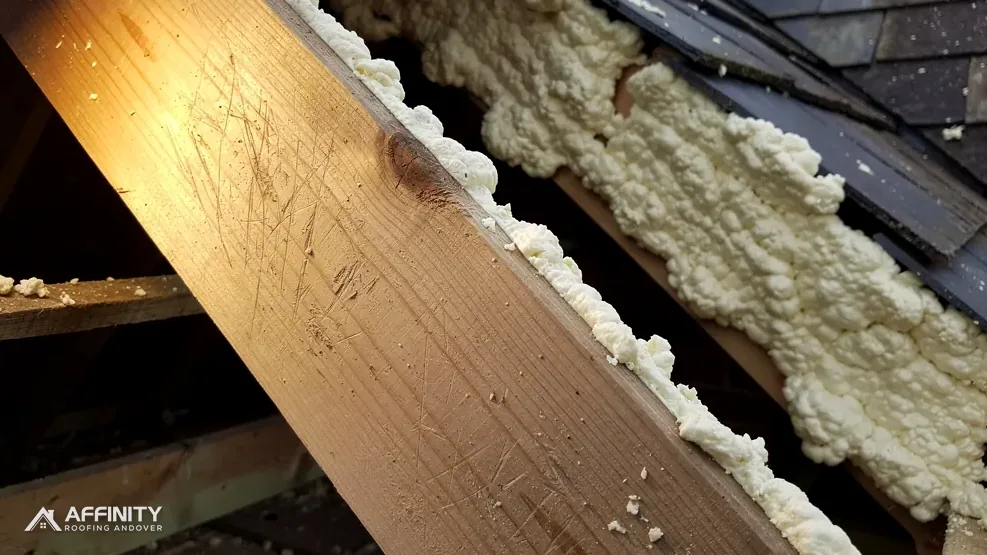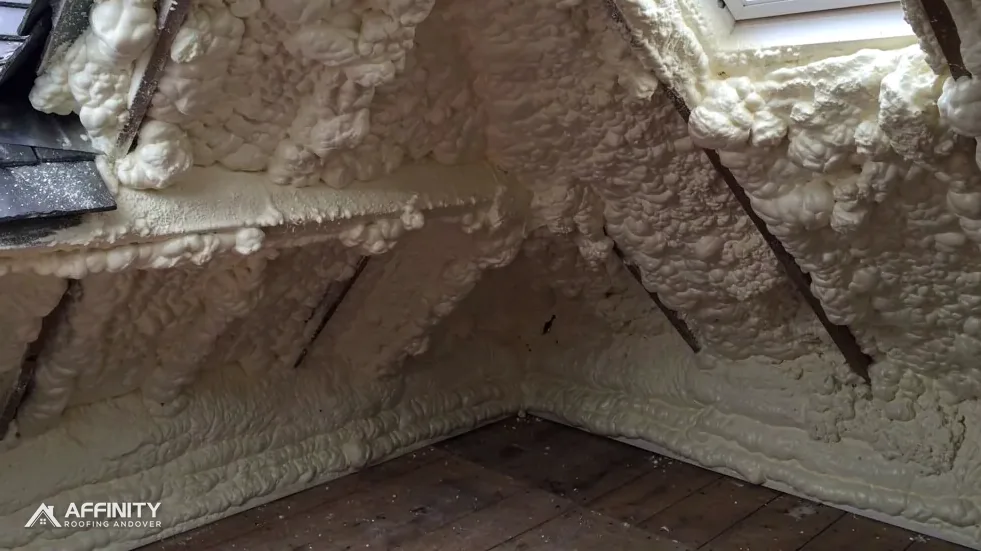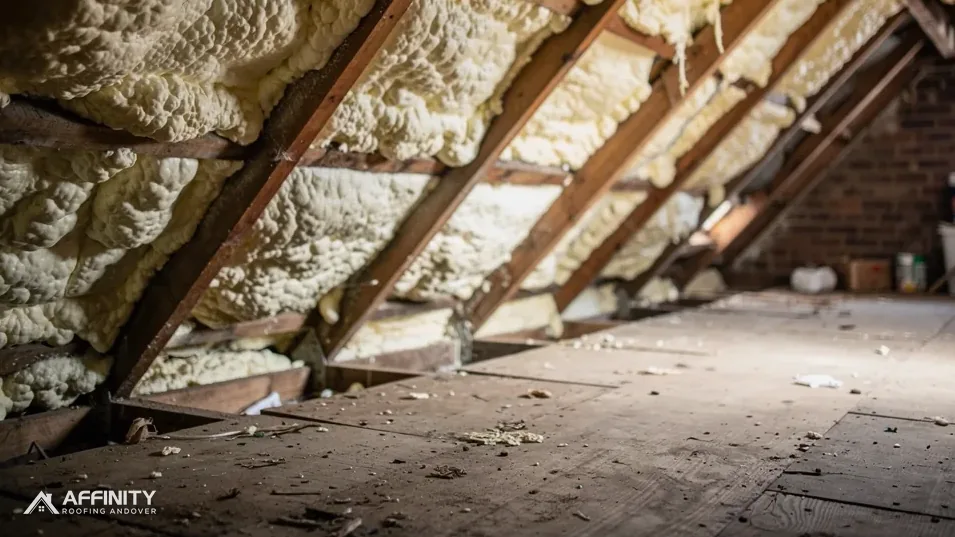
The short answer
Either a specialist insulation-removal firm or a roofer who is set up to do the work, so long as someone qualified looks at the roof as well. Foam sits on the roof structure that keeps the weather out. Whoever you choose should check the timbers and underlay beneath it, show you photographs, and give one written price.
Specialists and roofers both take it out
There are two kinds of firm that do this work. Insulation specialists take foam out as part of their trade, and often fit the replacement insulation too. Roofers do it because the foam sits on the roof structure, and whatever is found beneath it usually needs a roofer to put right.
Each has strengths. A specialist may be quick and practised at the removal itself. A roofer is practised at reading what the foam has been hiding: slipped tiles, failing nails, a torn underlay, damp battens or rafter ends. When the foam is gone, the timbers need judging, and if the covering outside needs work, a second trade is needed.
The choice is therefore less about the title on the van and more about what the firm will do once the foam is lifted. Ask who will inspect the timbers and underlay, and who deals with a problem if one appears. If the answer is that the roofer comes back later, ask how that is priced and who is responsible in between.
Our spray foam removal page sets out how we handle both halves, so the removal and the roof check come as one job.
Why the roofer's check matters
RICS's consumer guide points out that sprayed timbers are hidden from a full inspection, and warns that insulation put in wrongly can upset ventilation and cause moisture damage. Both points mean the timbers may have been out of sight for years, and nobody knows their condition until the foam is off.
That moment is the one that needs a trained eye. Rafter ends, wall plates, battens and the underlay each tell a story. Staining, softness or a musty smell point to water. Clean, dry wood points the other way. Distinguishing between old marks and active damp, and between surface staining and decay, is a roofer's skill.
It is also the point where the foam's effect on the covering becomes clear. Slipped slates, cracked tiles and failing flashing are easier to explain once the timbers show where water has been getting in. Our answer on whether spray foam rots roof timbers goes into the risk, and how the foam type affects what we find underneath.
A firm that removes foam and leaves without looking at the wood has done half the job.
What evidence to ask for
You should not need to take anyone's word. Ask for photographs of the foam before work starts, of the timbers and underlay once exposed, and of the loft when it is clear. Dated pictures of your own roof are the best record you can have, for yourself and for a buyer or lender later.
Ask for the findings in plain words: what was seen, what it means and what the firm suggests. Where repairs are recommended, you should be shown the reason before you agree to them. A report that says only that the roof is fine, with no pictures, is not evidence of anything.
Ask for the details of where the waste goes. Our answer on spray foam waste disposal explains the registered carrier and the record to keep.
The final piece of evidence is the contract. It should describe the work, the areas covered, the way the timbers will be checked and the price as one total in writing. Citizens Advice recommends collecting at least 3 written quotes, and what each contains tells you more about a firm than the headline figure.
Questions that sort the firms quickly
A few direct questions help you separate firms. Will you inspect the timbers and underlay once the foam is off, and will I see photographs? Who comes if the roof needs repair, and is that included in the price you give me? Where does the waste go, and can I have the carrier details? How do you protect the house, and what is the plan for dust?
Also ask what happens if the survey and the job disagree. If the foam turns out to be thicker or the timbers worse than expected, will you stop, show me and explain before adding anything? A good firm answers without hesitation and puts the answer in writing.
Be careful about firms that arrive unasked, press for a decision or ask for money upfront. A contract made off the trader's premises, for example one signed in your living room after a survey, carries a 14-day cancellation right, but the better course is not to sign under pressure at all. Our guide to spray foam doorstep sales covers the warning signs.
If you have a lender or buyer waiting, tell the firm. We survey, photograph and explain, then send one written total, and you decide in your own time.