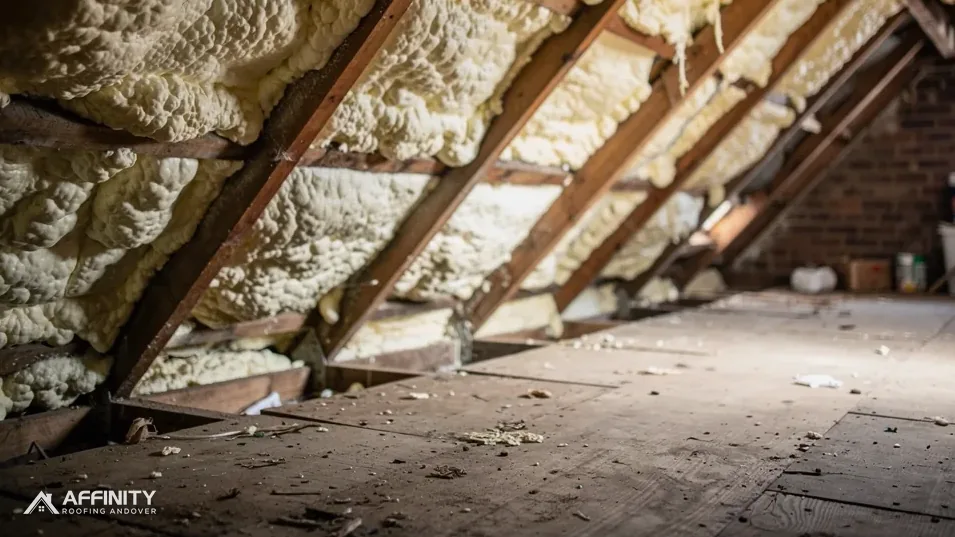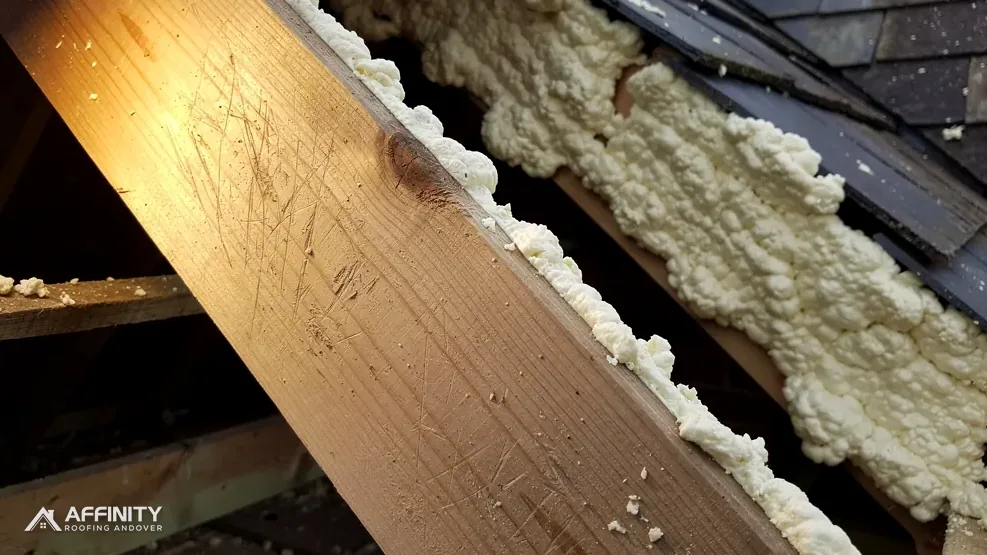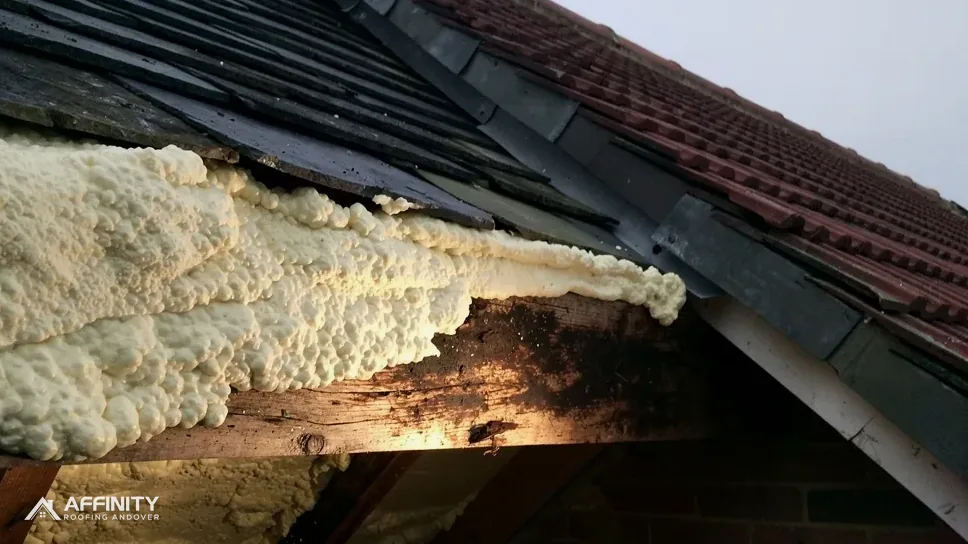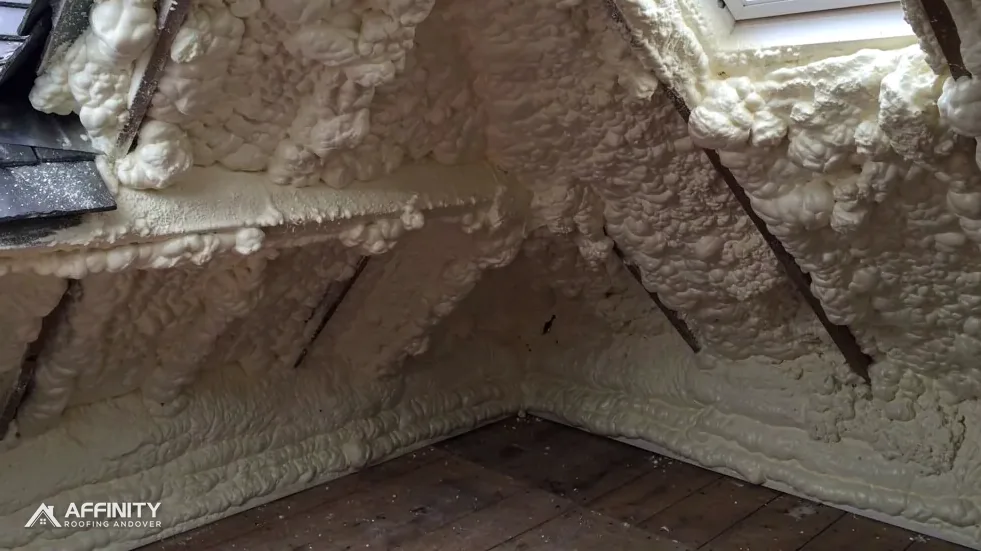
Spray foam reached many homes through doorstep and telephone selling. A caller offered free insulation, a grant that did not exist or a quick fix for a cold loft, and the paperwork was signed at the kitchen table. Today the callers may be selling the opposite: removal of foam, usually after a survey or valuation has flagged it. Either way, the contract is made at your home, and that triggers rules designed to protect people who did not choose to go shopping.
The central rule is a cooling-off period. Where the contract was made somewhere other than the trader's business address, you normally get 14 days to cancel without giving a reason. The period is longer if the trader failed to tell you about it. There are also exceptions, including one for an urgent repair where you were the one who asked the trader to come.
This guide explains the rule and its limits in plain language, based on the Consumer Contracts Regulations 2013 and Citizens Advice's guidance. It is information, not legal advice, and the Citizens Advice consumer helpline can look at your case.
Why a signature at home is different
Law treats a contract signed at your home differently from one made in a shop, and for good reasons.
No chance to compare
In a shop you can walk away, check another trader or sleep on it. At home, a salesperson is in your living room, sometimes for an hour or more. The Consumer Contracts Regulations 2013 call a contract made "in a place which is not the business premises of the trader" an off-premises contract, and give the consumer a right to cancel.
When a contract counts as off-premises
It takes in an order signed in your living room after a visit, and one agreed after a trader approached you somewhere other than their own premises. Citizens Advice says the cooling-off right applies if you were approached by the business somewhere away from its premises and the service costs £42 or more.
Spray foam and the home visit
A survey at your house followed by a signed order falls squarely in this category, and so does the sort of visit where a salesperson arrives with a tablet and a form. So does a quote accepted on the doorstep. If you rang a firm, had a survey and then signed at home, the contract was still made away from the trader's premises.
Why it matters here
Foam installation or removal is a significant job on the structure of your roof, and the lending and surveying consequences can be long-lasting. Time to think is a sensible protection. Our spray foam removal page describes what a survey and removal involve.
The 14 days and how they are counted
The cancellation period is simple in outline and fiddly in detail, so the details are worth stating. A day miscounted can cost a right that was otherwise yours, and traders' own paperwork does not always explain the calculation.
Length
For services, the period ends at the end of 14 days after the day on which the contract is entered into. Citizens Advice puts it the same way: your cooling-off period begins the day after you enter a contract, and 14 days is the minimum a seller must give you.
An example
If you signed on a Monday, the first day of the period is Tuesday and the 14 days run to the end of the second Monday after. Count carefully, and do not leave cancelling to the last evening.
How to cancel
You can cancel at any time in the period without giving any reason. Do it in writing, keep a copy and use a method you can prove: email with a sent record, or recorded post. Check whether the trader gave you a cancellation form, and use it if so, but the form is not compulsory.
What happens next
The trader must stop and deal with any refund. If you are unsure what you might owe for work already carried out, ask the Citizens Advice consumer helpline on 0808 223 1133 before assuming anything.
Keep the paperwork
Hold the contract, the quote, any messages and notes of conversations. If a dispute arises, a record carries more weight than memory.
The urgent repair exception
The cooling-off right has exceptions, and the one that matters most for roofs concerns urgent work.
What the regulation says
Regulation 28(1)(e) is the carve-out. Where you were the one who requested the trader's visit, and the purpose was an urgent repair or urgent maintenance, the 14-day right falls away. Citizens Advice puts the effect simply: invite a business in for that purpose and you have no automatic cooling-off.
What it means
Suppose your roof is leaking badly and you telephone a roofer to come at once: the visit was your request and the repair is urgent. You may not be able to cancel afterwards on the strength of the 14 days. The exception depends on your own request. A trader who knocked unasked and talked you into thinking the work urgent does not fit, because you did not request that visit.
Not everything urgent is urgent
A trader may tell you a roof is in a dangerous state to speed up a signature. Be wary of a caller who has no appointment, offers work you did not ask about and presses for a decision. A true emergency leaves the owner in control of the call.
Spray foam and urgency
Removing or installing foam is rarely a true emergency. A survey and a considered decision, with your lender's view in hand, cost little and avoid regret.
If nobody told you about the right
The 14 days assume you were told. If you were not, the period runs longer, and that can matter a great deal to someone who signed a year ago and is only now seeing the consequence in a surveyor's report.
The trader's duty
An off-premises trader must give the consumer clear information about the right to cancel, including how to exercise it. Many contracts include a notice, often in small print. The test is whether you were properly informed.
The extension
If the trader never gave the cancellation information, the period is extended. The regulations allow it to run for up to 12 months after the day it would otherwise have ended. A contract you signed some months ago and now regret may therefore still be cancellable.
Check the paper
Read the contract and the documents you were handed. Look for a notice of the right to cancel, a form and a time limit. If there is none, note that fact and keep the documents.
Take advice
This is the point at which to call the Citizens Advice consumer helpline on 0808 223 1133. They can look at the specific wording and tell you where you stand. Do not rely on a trader's own account of your rights.
Other protections
Section 49 of the Consumer Rights Act 2015 says a trader must carry out a service with reasonable care and skill, and section 52 adds a reasonable time where none was agreed. Remedies are available if either fails, and a trader cannot write that liability out of the contract.
Asking for work to start early
Some traders want to start work inside the 14 days, and plenty of customers are happy to let them. The rules allow it, with conditions that protect you.
The request
For an off-premises contract, the consumer must make an express request for the service to begin during the cancellation period, and it must be given on a durable medium. That means something you can keep, such as a signed paper form or an email. A casual yes on the doorstep is not enough.
What you give up
Asking for an early start can affect what you owe if you then cancel, so read what you are signing and ask the trader to explain it in writing. If you are not sure, do not request early start. Waiting two weeks for a loft job costs little.
Check with your lender first
With spray foam in particular, RICS's consumer guide asks owners to put one question to the mortgage provider first: does its policy allow foam? Make that call before you sign anything, not once the loft has been sprayed.
Check the claims
If a caller says a grant will pay for foam, check it with the scheme itself. ECO4 runs until 31 December 2026, and the insulation scheme GBIS closed at the end of March 2026. A new roof attracts no national grant, so treat any such promise with suspicion.
Get comparisons
Citizens Advice recommends collecting 3 or more written quotes before deciding. A firm that will not wait while you do so is telling you something.
Steps to protect yourself
A short routine takes the pressure out of any visit. It works whether the caller is selling foam, removing it or offering something else, and it costs nothing to follow. Keep a copy of the checklist by the phone, and if you live with someone vulnerable to pressure selling, share it with them and agree that nobody signs anything alone.
Before you agree
- Ask for the firm's full name, address and written quote.
- Check the claims independently, including any grant or lender statement.
- Phone your mortgage provider about foam.
- Do not sign on the day of the first visit.
If you have signed
Note the date. Read the cancellation notice. If you want out, write to the trader that day and keep proof.
If the work is poor
The Consumer Rights Act also expects careful, skilled work. Under section 308 of the 2024 consumer law Act (the DMCC Act), a trader has to say whether any alternative dispute resolution scheme exists for a customer who is dissatisfied with the result. Ask the trader which one applies to your contract.
Where to get help
The Citizens Advice consumer helpline is 0808 223 1133.
How we work
Ours is a survey-first routine with photographs, and the price comes afterwards in writing, so you read it at home at your own pace. A foamed loft deserves a considered decision made with your lender's view in hand. For the lending side, read equity release and spray foam, and for what a survey covers, what a spray foam survey covers.