The short answer
It may, but only your mortgage provider can say. Removal changes what a surveyor can see in the roof, and that is often what a lender cares about. RICS reported in March 2023 that some lenders, equity release first, had worries about spray foam, and it advises owners to ask their own provider. Ask before you book any work.
Your lender sets the rules, not the roofer
A mortgage is a decision a lender makes about one property. A roofer cannot predict it, and nobody can promise that removing foam will bring an offer, however thorough the work. What we can do is show you how the roof looks once the foam has gone and give you the record of it.
RICS, the surveyors' body, published a consumer guide on this insulation in March 2023. Its press release spoke of concern in specific parts of the lending trade, with equity release mortgages the example given, and said that the concern was now touching other lenders too. The guide tells owners to ask their own provider whether its policy allows such products to be installed.
That advice concerns installation, but it shows where the question belongs. Different lenders hold different policies, and a policy can change, so an answer from a friend or an old forum thread is no use to you. Ring or write to yours, say there is spray foam in the roof, and ask what they require. Get the answer in writing if you can, because that letter is the document a roof survey and any removal should be planned around.
Why removal can matter to a surveyor
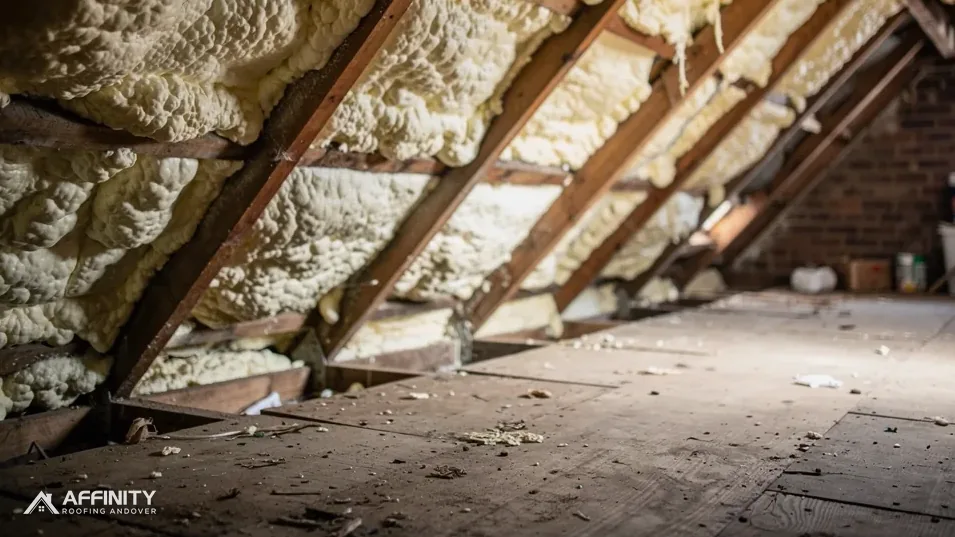
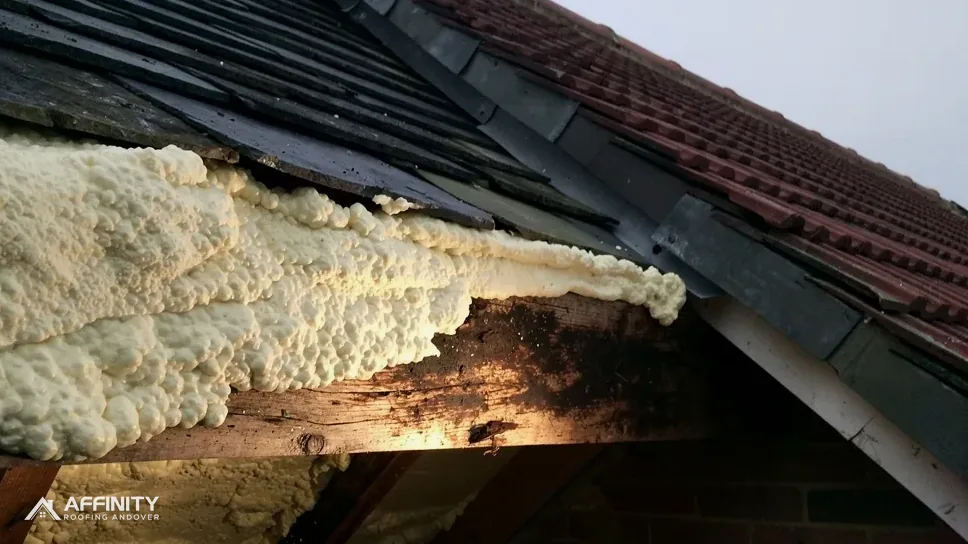
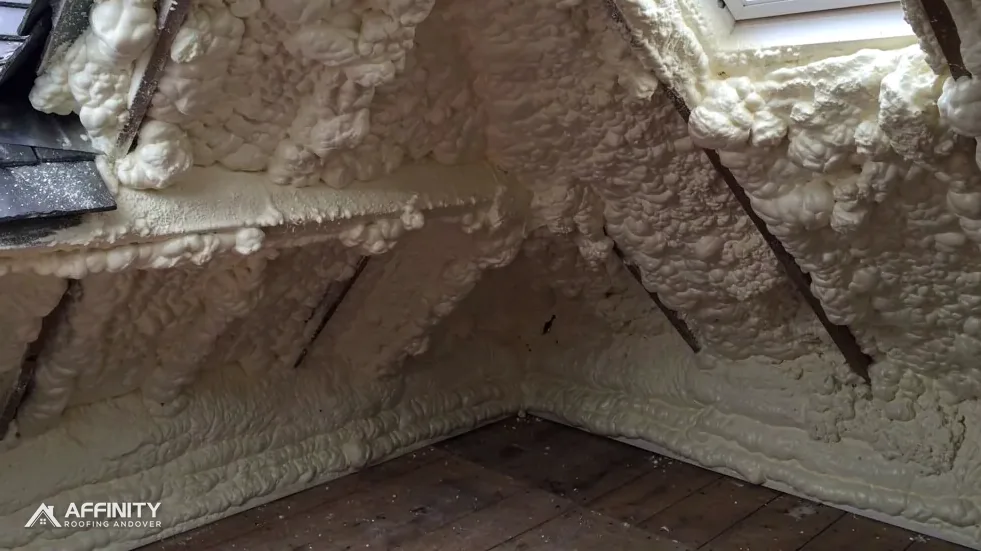
The RICS guide makes a plain point about visibility: wood that sits under a layer of foam cannot be properly viewed or checked. A valuer acting for a lender is asked to judge the condition of the property, and a roof they cannot see is a roof they cannot report on.
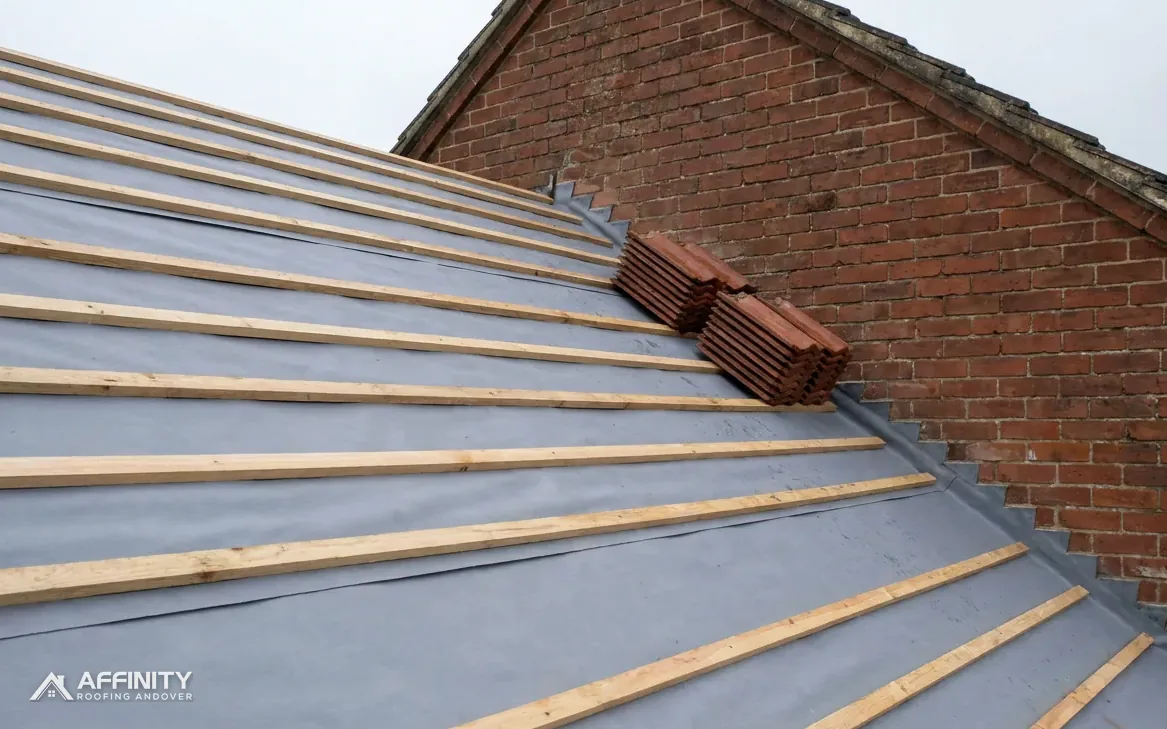
The guide also links badly fitted insulation to poor air movement and damp damage. Those are the two worries the guide points to: hidden timber and trapped moisture. Removal deals with the first directly, because the rafters, battens and boards are exposed and can be photographed. It does not prove the second is absent, so repairs and ventilation matter as well.
Not every case calls for removal. Whether an inspection and a report will do instead is for the lender and its surveyor to say. Our answer on open-cell and closed-cell foam explains the difference, and the survey tells us which one is in your loft. What your lender wants for your property is for them to say, not for us to guess, so treat anything general with care.
Evidence of removal worth having
If you do remove the foam, the paperwork is what you will use later. Ask for dated photographs taken before, during and after, showing the roof covering from beneath and the rafters once they are clear. Ask for written findings that record the condition of the timber and any repair.
A report from an independent surveyor or timber specialist, commissioned separately, can add weight where a lender wants a view from someone with no part in the work. We supply our own photographs and findings, and we are happy to pass them to any surveyor you appoint.
Keep the invoice, the findings and the photographs together with the lender's written reply. At the point of sale, the buyer's solicitor may enquire about the roof, and one file answers that. It also helps if the home is revalued, or if another lender looks at it in a few years. The file matters more than the date the foam went, because it records what was found and how it was dealt with, in a form a stranger can follow without having to ring you.
Before you book removal for a mortgage
Start with the lender, then book the survey. If your provider says an inspection will do, you may not need the whole roof stripped. If it says the foam must go, ask whether clearing part of it is enough. Our answer on partial spray foam removal looks at that choice.
Timing needs thought, especially in the middle of a purchase or remortgage. Roof work takes planning, and the loan may be affected by the weeks it takes to survey, clear the foam and write up the findings. We can give you a work plan after the survey, but the lender's own process is outside our control, so allow extra time in case they ask for something further, such as a second photograph or a timber report.
Equity release was the example RICS gave in 2023, so if that is your route, the page on spray foam and equity release is worth reading too. The wider picture is on our spray foam removal page. Once we have seen the loft, the quote arrives as one figure on paper, covering the whole job. Share it with your lender if they ask for it, along with the photographs from the survey, because a lender's own valuer may want the figure to sit beside the findings when deciding whether the roof now looks sound.