The short answer
Yes, it can be done. Foam can be cleared from one slope or one part of the loft and left elsewhere. The catch is that foam left behind still hides the timber under it, and your mortgage provider or a buyer's surveyor may want to hear about that. Ask your lender what it will accept before deciding how much to take out.
What partial removal actually leaves behind
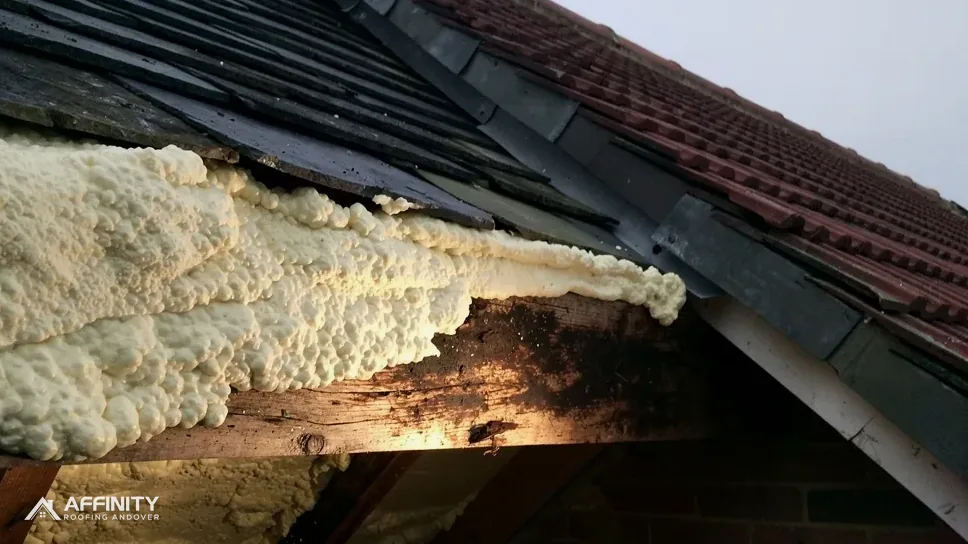
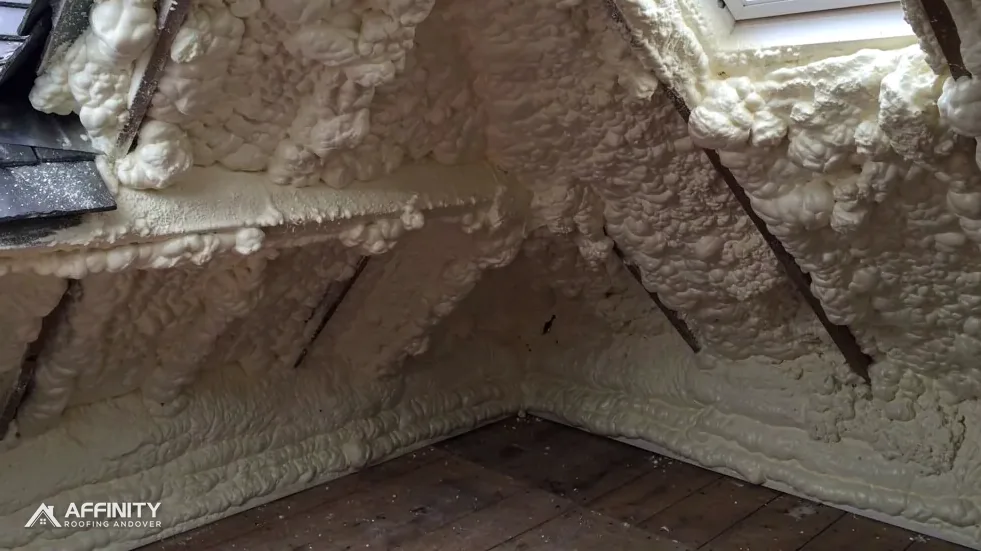
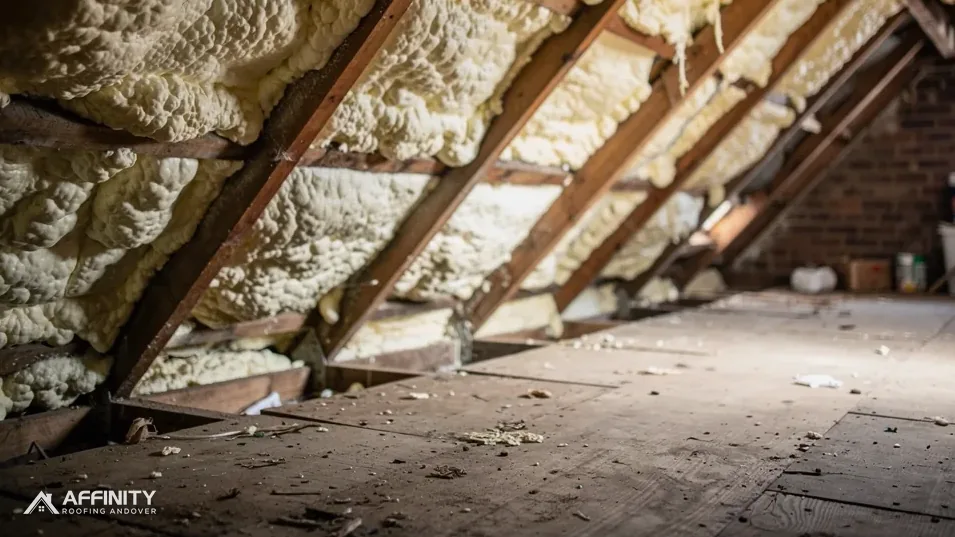
Partial removal means clearing foam from some areas and leaving it in others. That might be one roof slope, the side with the leak, or the area above a planned room. It can be a sensible step when only part of the roof has a problem.
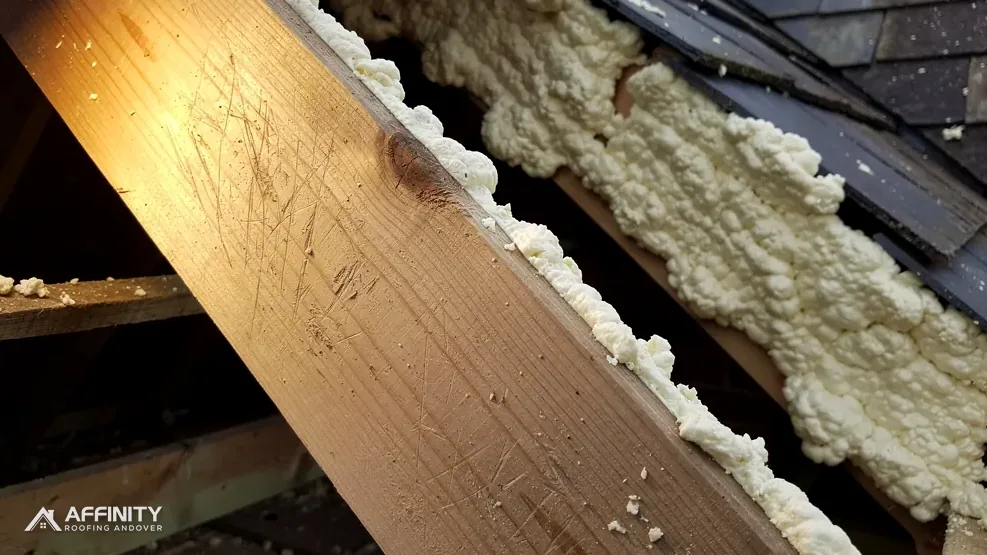
What stays behind is the issue. RICS, the surveyors' body, says in its consumer guide that rafters coated in foam cannot be examined properly by anyone. Foam left on one slope keeps the rafters there hidden, so anyone judging the whole roof has to treat that section as unknown.
There is a practical side too. A clean edge is needed where cleared timber meets foam that remains, and the join has to be finished neatly so loose pieces do not fall into the loft. The cleared area also needs its own insulation and ventilation, which can differ from what the foam did. Two conditions in one roof space is workable, but it needs a written record of where each begins and ends, kept with photographs. Mark the boundary on a plan of the loft if you can, so a later owner knows exactly where the foam stops.
What your mortgage provider may ask
RICS wrote in March 2023 about unease among some lenders, equity release in particular. Its advice to owners is to put the question to their own mortgage provider rather than assume.
It follows that no roofer can tell you what your lender will accept for a part-cleared roof, and we would be guessing if we tried. Some providers may be content with evidence that the worrying areas were dealt with. Others may look for the whole roof to be assessed. We cannot predict either answer, so we suggest asking in writing, before work starts, what documents would satisfy them.
A buyer's surveyor may take a similar line. If part of the roof is still foamed, the survey report can only describe what could be seen, and the sale may turn on how much of the roof was visible. That is a reason to keep the extent of removal matched to the purpose, instead of choosing it by cost alone. If the goal is to reassure a lender or buyer, ask what they need first, and let the answer set the scope.
Evidence that makes a partial job easier to explain
Whatever the scope, the record matters more on a partial job because the roof ends up in two states. Ask for dated photographs of the foam before removal, of the exposed timbers after it, and of the boundary between the two parts, with a note of which rafters each picture shows.
Written findings help as well. They should say which rafters, battens and boards were exposed, what condition they were in, and what repairs were made. If a timber was damp or damaged, the report should record what was done about it. A sketch or marked photograph showing the cleared slope and the remaining foam takes little effort and answers questions that would otherwise come up at sale.
It is worth keeping the invoice and any inspection note with your property papers. When the house is sold, the paperwork lets you show what was done instead of describing it from memory. A buyer's solicitor may ask about the roof, and a tidy file gives a straight reply. We supply photographs and written findings as part of every job, and a copy of the same is yours to keep.
How the survey sets the extent
We start with a survey of the loft, and the photographs show you the condition of the timber and the foam. The foam type matters, because open-cell and closed-cell foams come away differently. Our answer on whether spray foam can be fully removed explains what clearing involves in practice.
The survey also shows where the timbers need attention. Sometimes the area with a leak is a small part of the roof, and clearing that slope is enough to repair it, with the covering put right at the same visit. Sometimes damage runs under the foam to places that cannot be seen from the hatch, and the honest advice is to open more of the roof. We tell you which it is, with photographs, and leave the decision to you.
If you are weighing options, the page on spray foam removal gives the overall picture, and the answer on removing spray foam to get a mortgage covers the lender side in more detail. One total price in writing follows the survey, so you can weigh a partial scope against a full one.