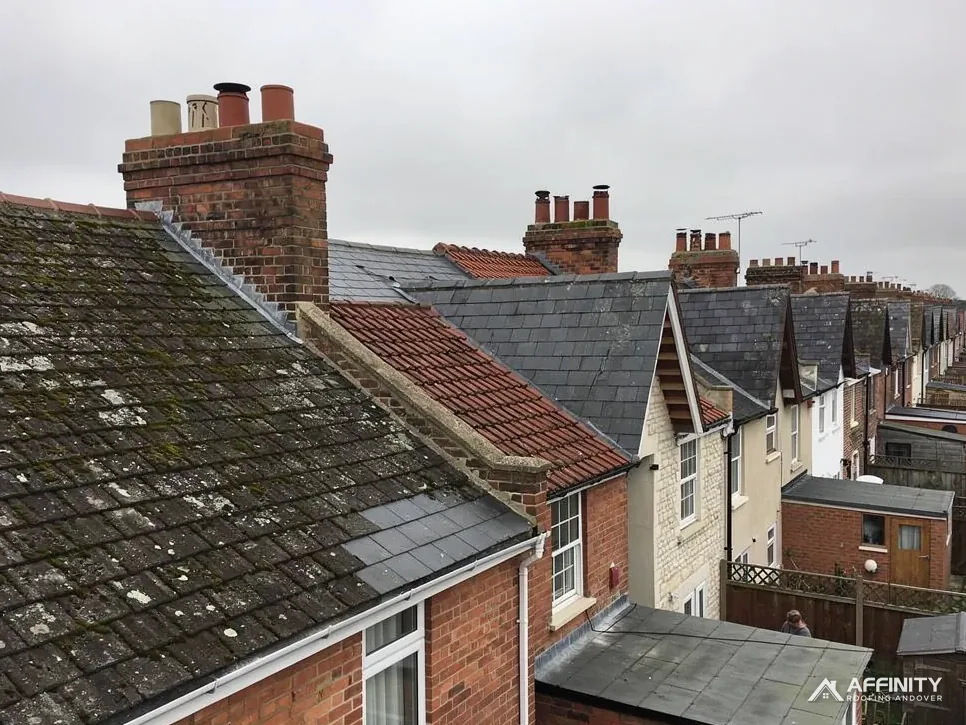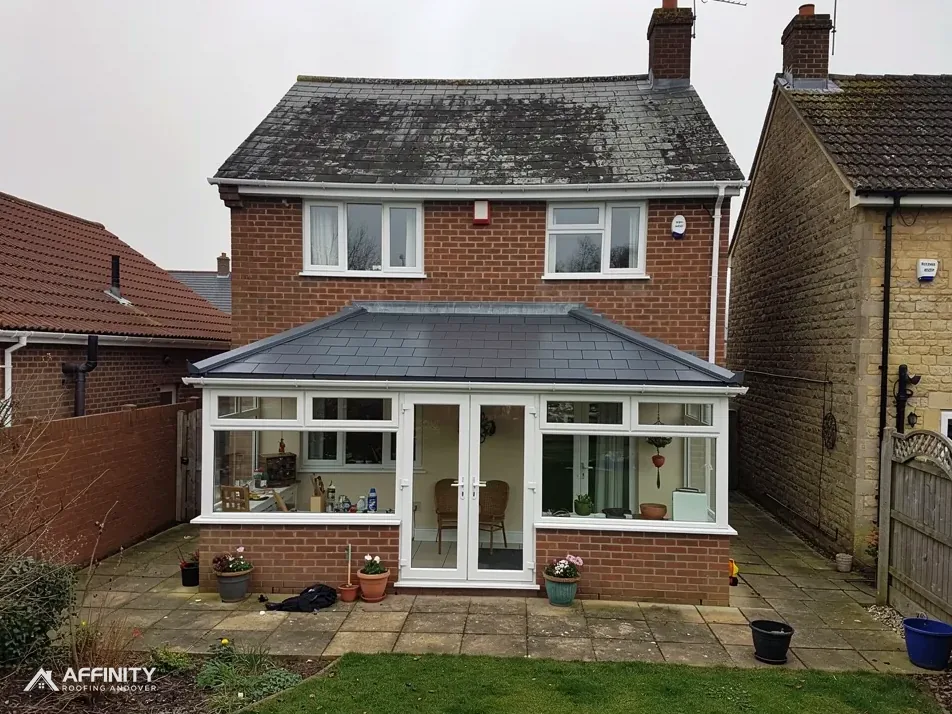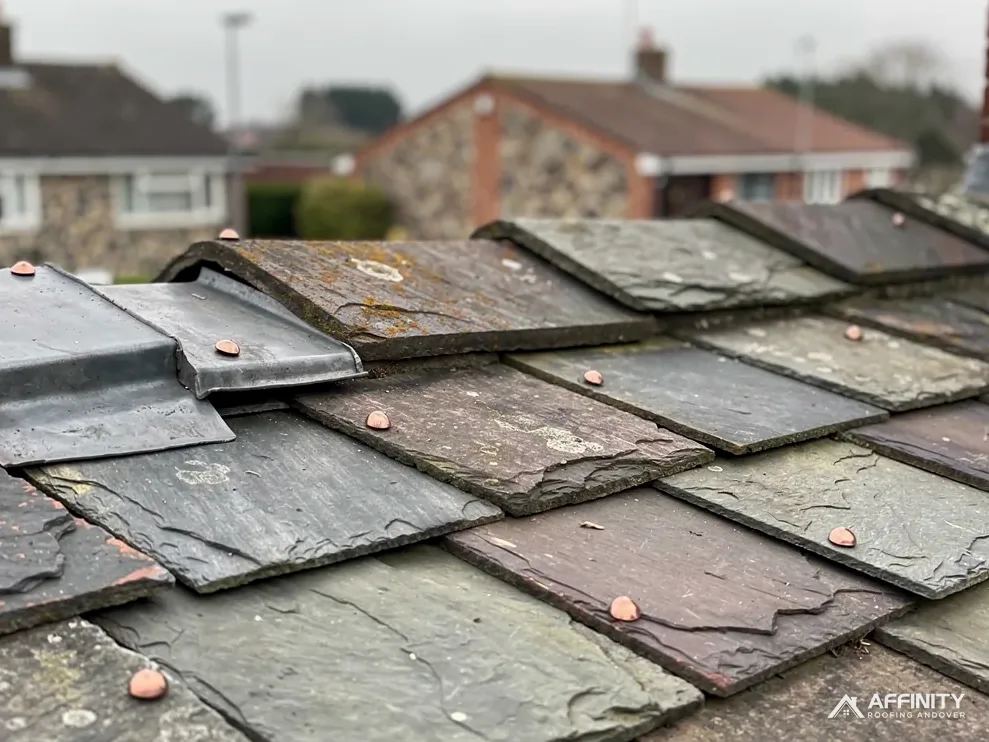
The short answer
They can be a sound choice where natural slate is not practical. Fibre cement slates are given 30 to 40 years by HomeBuilding, against 75 to 100 for Spanish natural slate and more than 100 for Welsh. Synthetic slates suit some roofs and not others, and conservation areas and listed buildings often expect natural slate, so ask the planning team first.
What counts as a synthetic slate
The term covers several materials made to look like slate. Fibre cement slates are thin sheets of cement reinforced with fibres, cut and holed like natural slate. Slate-effect concrete tiles are moulded concrete in a flat, grey finish. Composite slates are moulded from resin and other materials rather than cut from rock.
They share some attractions. A manufactured slate is uniform, so there are no hidden flaws to sort out, and the price per square metre is often lower than for natural slate. Natural slate itself varies a great deal in cost, with HomeBuilding's supply-only table showing a wide gap between Spanish and Welsh.
They are not interchangeable, though. A fibre cement slate and a composite one have different weights, fixings and pitch limits, and each product has its own data sheet. A cheaper slate that needs two extra fixings per slate, or a lower maximum exposure, can erase the saving. Our guide to natural and fibre cement slate compares the two most common choices in more depth, and at every survey our opening step is to identify what you already have, since a repair has to suit the existing material and fixings.
Lifespan as a range
Look at how makers and cost guides describe life, and keep the difference between a warranty and a lifespan in mind. HomeBuilding's table puts fibre cement tile at 30 to 40 years. By comparison it gives Spanish natural slate 75 to 100 years, reclaimed Welsh slate 50 to 80 years and Welsh slate 100+ years. Those figures are typical, not promises.
For composite and other synthetic slates, a lifespan range depends on the product, and the figure a manufacturer gives may be a warranty period, which is a different thing. A warranty tells you what the maker will stand behind for a set time, and says little about year thirty. Treat any single number with care and ask which product it describes.
What affects life in practice is how the slates were fixed and how well the roof is kept clear of moss and debris. Marley, a tile maker, does not recommend high-powered jet washes on its slate and tile, and the same caution is sensible for any slate-look roof. Get the data sheet and the terms of any warranty on paper and file them alongside the deeds, because a buyer's surveyor may ask which product is on the roof and who stands behind it.
Older fibre-cement slates and asbestos
One check applies before any work on an old roof. Fibre cement slates from before 2000 may contain asbestos. HSE advises owners to presume there is some in a property that was built or refurbished before that year, because the asbestos kind and the modern kind look alike. A plain grey slate can turn out to be asbestos cement.
Under HSE's rules, taking asbestos cement off with care counts as non-licensed work, provided it stays whole. Substantial breakage moves the job into notifiable non-licensed work. Whatever comes off is wrapped twice, sent on a consignment note and kept out of open skips. Please do not drill, scrub or crack a suspect slate yourself.
If we find an old fibre-cement roof that could contain asbestos, we stop and say so, and the survey recommends sampling before any work. Our guide to asbestos cement slates covers the process. This is a safety check on old roofs, and it applies to the roof you have, not to the product you may choose next.
When the council has a say
Councils often prefer the original material on older houses. Basingstoke and Deane, for the Article 4 areas in its own towns, describes artificial slates as unlikely to be acceptable where original slate or clay is on the roof. That binds its own addresses only and is no national rule.
For other places, the position is to check. A conservation area is article 2(3) land, which removes some permitted development rights, though Class C re-roofing is not among them. Work that changes a listed building's character needs listed building consent, and a switch from natural to artificial slate is the sort of change judged on its looks. Ask your planning team about Article 4 before you order anything.
On a plain modern roof outside those areas, synthetic slate comes down to taste, budget and the data sheet, and the fixing method matters as much as the look. On an older house with natural slate, our usual advice is to repair or reclaim before replacing. Our slate roof in a conservation area guide and our slate roofing page have the next steps.