The short answer
With an NHBC Buildmark policy, the first two years after completion run on a builder warranty plus NHBC's own cover, and the following eight years on insurance that reaches only certain parts of the home. So the builder answers for an early roof fault. Later on, the policy terms decide what is covered.
Two years with the builder
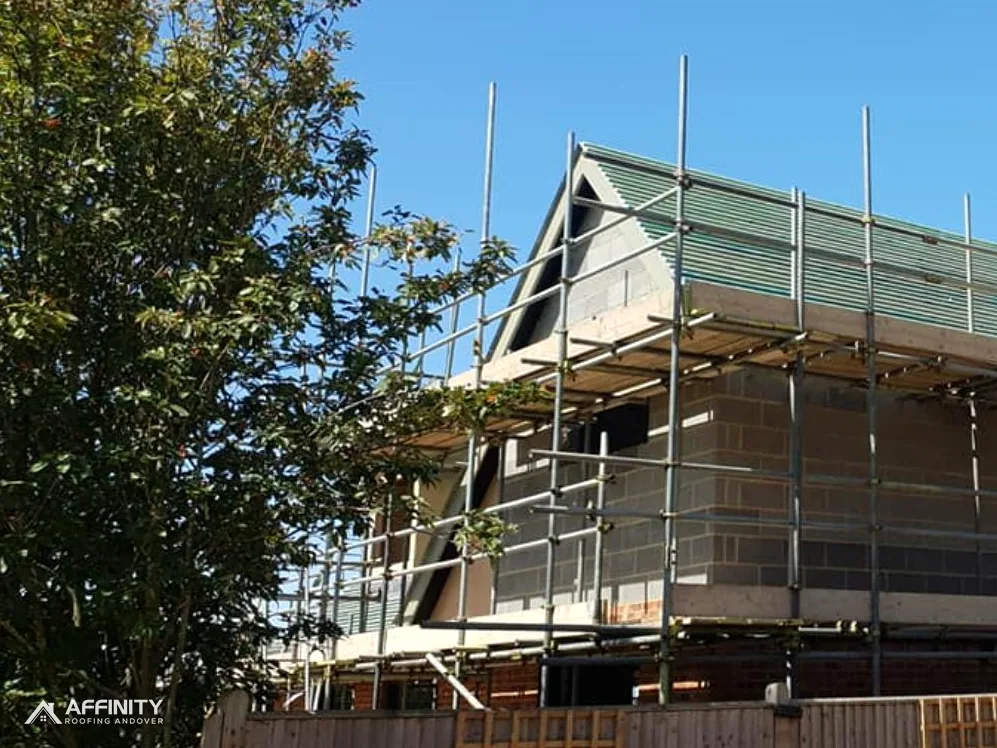
Many new homes carry an NHBC Buildmark policy. NHBC sets it out in two phases: a builder warranty and NHBC guarantee for the first two years after completion, then eight years of insurance that applies to certain parts of the house. So the first stage rests mainly on the builder: for two years the builder is the party that is expected to put right defects covered by the warranty.
The practical effect for a roof is simple. If a tile slips, a flashing lifts or a ceiling stains in the early months, your first call goes to the builder, in writing, with the date and the photographs. Hold off hiring an outside roofer to repair first, because that can muddy the builder's responsibility and any later claim.
Check which warranty your home actually has. Not every new build carries an NHBC policy, and the wording of whichever scheme applies to you sits in your policy documents. Read them for the exact cover, the exclusions and the way to make a claim.
Our roof replacement team is not a replacement for the builder here; we can survey and photograph the roof so your report is specific.
Years three to ten
After the first two years the position changes. NHBC describes the later stage as eight years of insurance that reaches only certain parts of the home, and that limit matters. Whether a roof fault falls inside the cover depends on the policy booklet, so read it and ask NHBC directly, rather than assuming that every roof problem is covered.
It also matters what kind of fault it is. Damage from a storm, or from a later alteration such as a loft conversion or a new aerial, is a different question, and may belong with your home insurer.
Do not confuse the two periods. A common mistake is to treat the whole ten years as the builder's responsibility. The builder's obligation under the warranty is the first two years, and the policy in years three to ten is insurance with its own terms, limits and claims process.
If you are unsure which stage you are in, count from the completion date on your paperwork. That date is the anchor for everything that follows.
Report early and keep a record
Speed helps. A small leak left for months can wet the roof timbers and the ceilings below, and the later you report it, the harder it can be to show what failed and when. Write to the builder, or to the warranty provider, as soon as you notice a problem.
Keep the evidence in order. Photograph the stain, the ceiling and the roof, with dates, from the ground or a window. Please do not climb up. Note the weather at the time, and keep emails and letters in a single folder.
Put the problem in specific words. A sentence such as water is coming through the landing ceiling beneath the rear slope, first seen on the date given, is more useful than a general complaint about the roof.
If the builder does not respond, say so in writing and escalate to the warranty provider. Send the evidence in one tidy email, with the completion date in the subject line, so every reply can be matched to your file. The Citizens Advice consumer helpline, 0808 223 1133, can explain your consumer position.
If a leak is active and the builder has yet to attend, we can stop the water coming in and write up what we found, so protecting the house is on the record.
Where a survey fits
A survey does not replace the builder's inspection, but it can sharpen your report. We check the underlay, the battens, the flashings and the fixings, and every fault is photographed on your own slopes. That gives you a specific description to send to the builder or the warranty provider.
It also helps to separate a build fault from a later change. Damage from foot traffic, a fixed satellite dish or an alteration since completion may not be the builder's. Pictures taken early show which is which.
If the builder or the warranty provider asks you to use their repairer, agree to that before commissioning your own. If you do arrange a repair yourself, tell them first and keep the invoice.
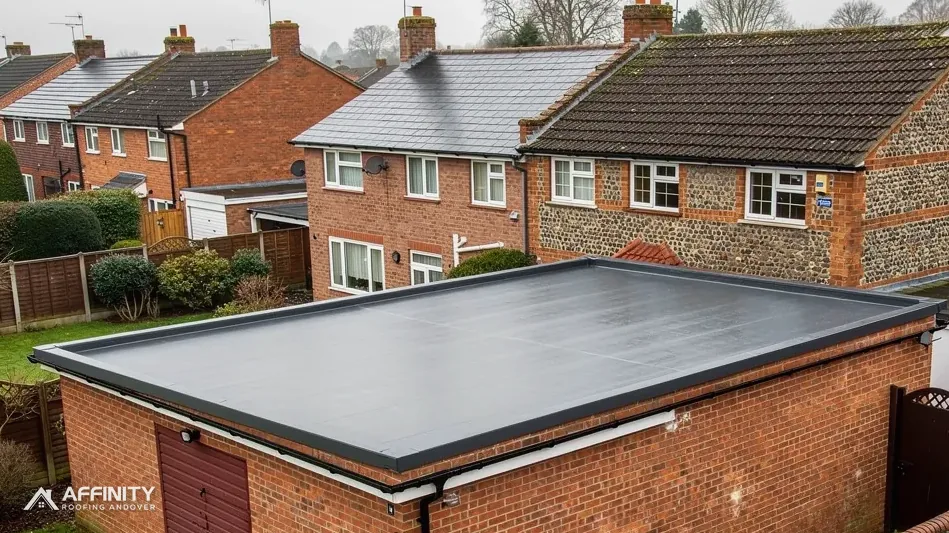
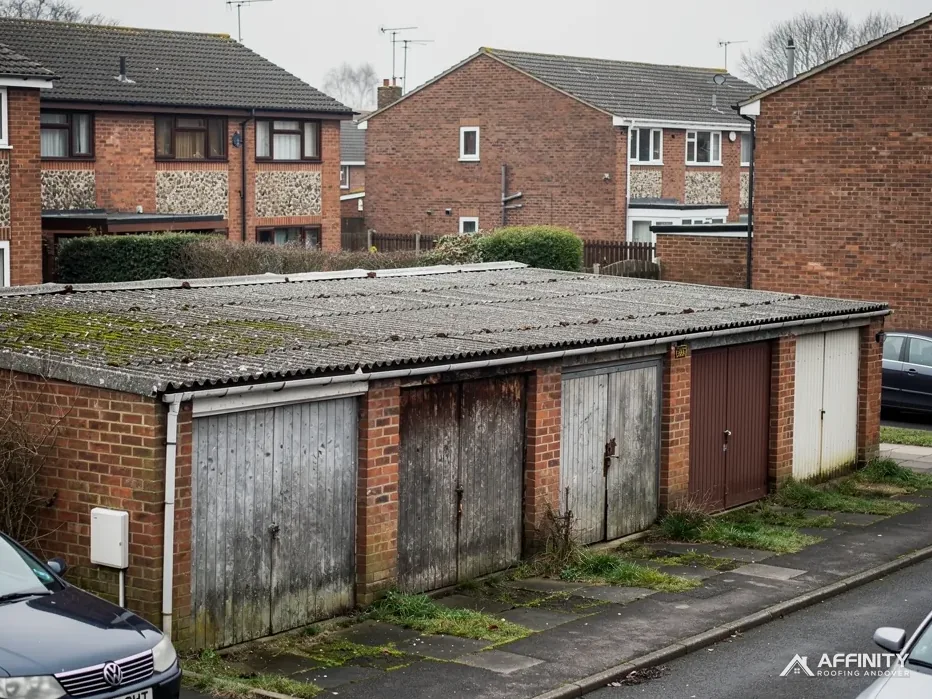
Where the defect is large enough that a section of the roof must be redone, our answer on partial roof replacement explains how that works, and signs you need a new roof helps you tell a localised fault from a wider one.