The short answer
Yes, though sound roofs generally cope. Heavy snow adds weight, ice can pull gutters from their brackets, and meltwater can seep under tiles and flashing as it thaws. Weakened or poorly fixed roofs suffer first. Once the snow has cleared, check the gutters, the loft and the ceilings from the ground and the hatch, and tell your insurer before arranging repairs.
Load, drifts and weak timbers
Fresh snow is light, but it settles, soaks and refreezes, and a deep blanket adds real load to the rafters. A roof built and maintained properly is designed to carry it. Trouble comes where the structure was already compromised: a sagging ridge, rotten rafter feet, a purlin that has been cut away, or an extension roof built on lighter timbers than the main house.
Drifts add to the problem. Wind piles snow against a chimney stack, a dormer or a higher neighbouring wall, so one patch of roof may carry far more than the rest. If a ceiling beneath such a patch bows or new cracks open, treat it as urgent and keep people out of that room.
Flat roofs behave differently. Their coverings are continuous, and standing meltwater tests every seam. BS 6229:2025 keeps a minimum finished fall of 1:80 on flexible-membrane flat roofs, and a roof that has settled below that holds puddles that refreeze overnight. Ice wedges into seams and lifts edges.
Do not shovel snow from a roof yourself. The risk of a fall is serious, and a scraping tool can tear a covering that was holding, so leave clearing to people with proper access.
Ice in the gutters and at the eaves
Gutters take much of the punishment. Meltwater runs from the warm part of a roof and freezes again at the cold edge, building a ridge of ice in the gutter. That ice is heavy, and it pulls on brackets that were already corroded. A gutter that drops can drag the fascia with it and tear the felt at the eaves.
Behind the ice, water can pond and creep upslope under the first course of tiles, a route it cannot take in ordinary weather. The stain it leaves inside tends to appear along the outer wall, near the ceiling edge, which is also where condensation shows, so look closely before drawing conclusions.
Brett Martin gives a gutter fall of 1mm for every 600mm, a gentle slope that leaves little margin when ice or leaves hold water back. A gutter already sagging between brackets will fill first.
If you can see ice hanging from the eaves, keep clear of the ground below it. Falling ice can injure. For guttering faults after a freeze, read our guttering, soffits and fascias page.
Does a snowfall count as a storm?
Many policies cover storm damage, and whether snow qualifies comes down to the policy's own definition. The Financial Ombudsman Service has published its view. For snow, rain or hail, it looks at whether high volumes fell in a short period or the fall was extreme. Beyond that, it asks if the snow did the real harm, and a claimant whose snow only revealed an old defect has an uphill task.
Common exclusions include gradual damage and wear and tear, so a roof that had been failing for years is a harder claim than one that was sound. Whether a claim is paid is the insurer's decision, never ours, and it cannot be forecast.
The sensible order matches any weather damage: insurer first, then a safe roof, then dated pictures and kept receipts, in that sequence. Our answer on storm damage and home insurance sets out the steps, and our guide to photographing roof damage explains what to record.
If the insurer refuses, the Ombudsman's helpline is 0800 023 4567.
What to check once the snow has gone
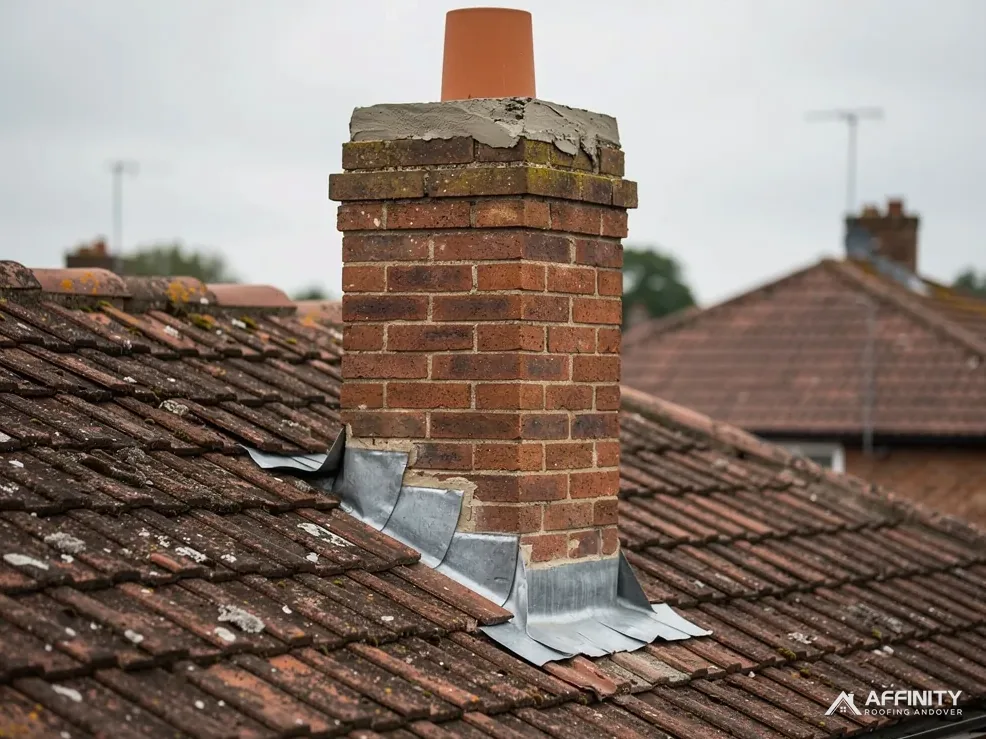
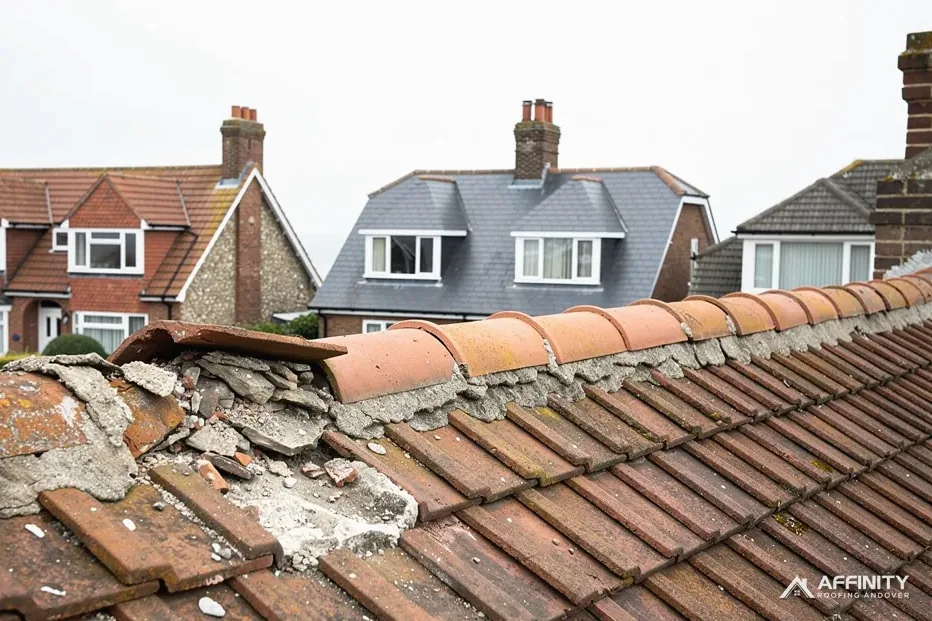
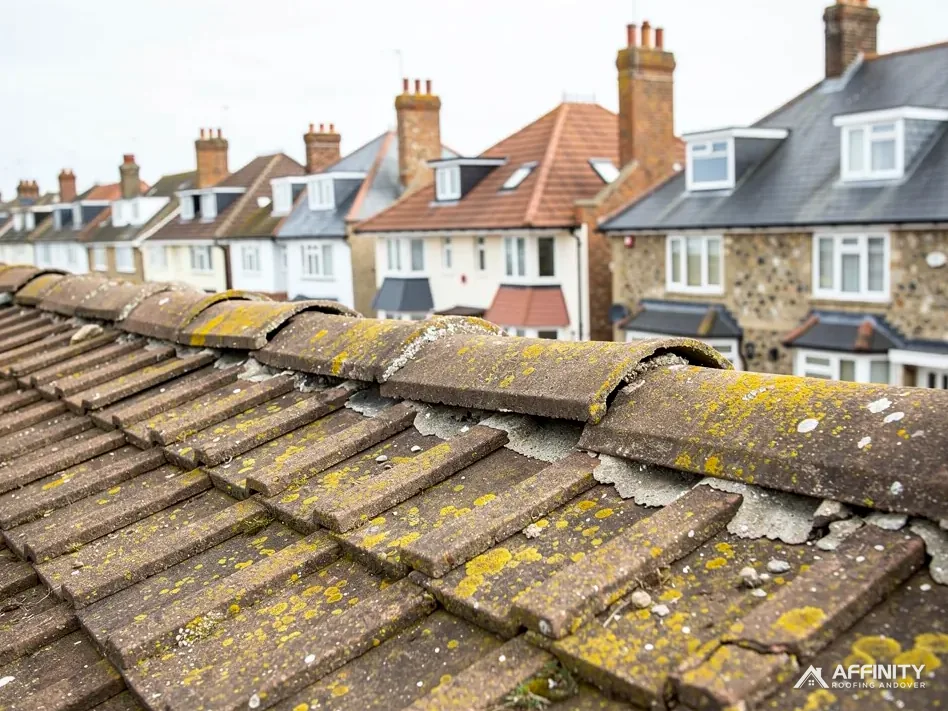
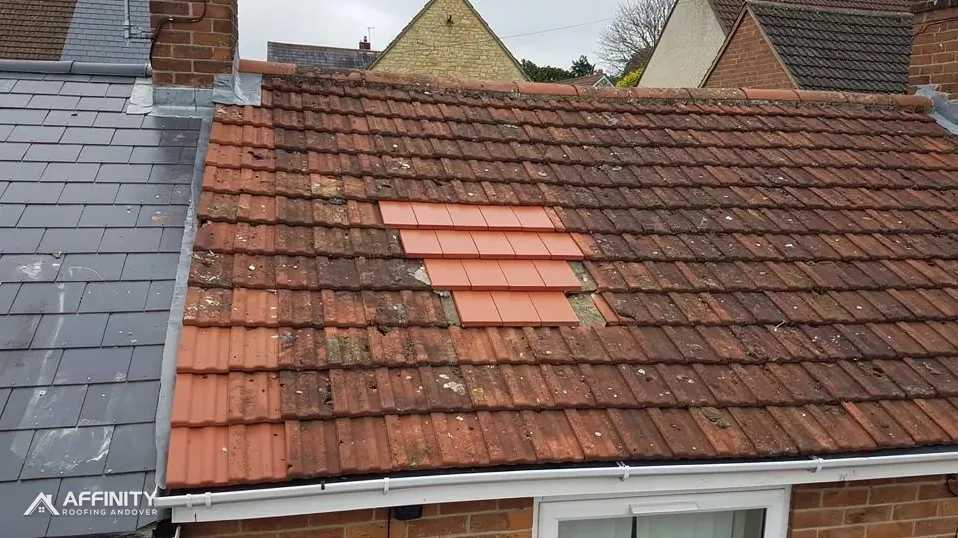
Wait until the thaw is finished, then walk round the house. Look for tiles on the ground, tiles that sit crooked, gutters that hang or leak at the joints, and fascia boards that have shifted. Binoculars help. Check the lead around chimneys and the ridge line, where meltwater concentrates.
Indoors, shine a torch round the loft, looking in from the hatch. Damp insulation, dark streaks on the underlay, chinks of light and wet timber all show where water has come in. Then check the ceilings below for new rings or bubbling paint, and put a bowl under any drip.
Photograph what you find before anything is cleaned or patched. Damage from snow can take days to show, as water works through the layers, so a second look a week later is worthwhile.
When something is wrong we survey the roof and show you pictures of the cause, and the cost reaches you as one written total. Refitting a gutter is a simple fix and common after a freeze, while a bigger problem gets a clear account of the choices. A sagging run of guttering can also be re-hung on new brackets once the fascia behind it has been checked for soft timber. The full range of work is on our roof repairs page.