The short answer
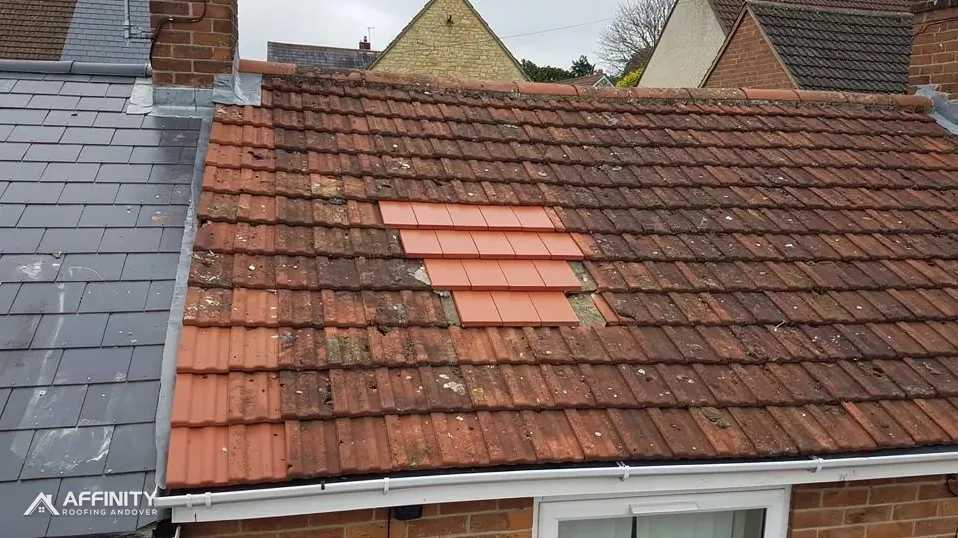
It can be. A lone slipped tile is a small repair, but it leaves a gap, and rain or wind can then reach the underlay and the timber battens below. A tile that has moved also hints that its fixings are tiring, so the ones around it deserve a look. Mending it promptly is usually a modest job; leaving it can mean a damp ceiling.
Why a tile moves in the first place
Roof tiles hang on battens, the thin timber laths screwed or nailed across the rafters. Each tile hooks over a batten by its nibs, and many also carry a nail or a clip. Over decades, the nails rust, the nail holes enlarge and the clips fatigue. A tile that was once secure now rests mostly on its own weight.
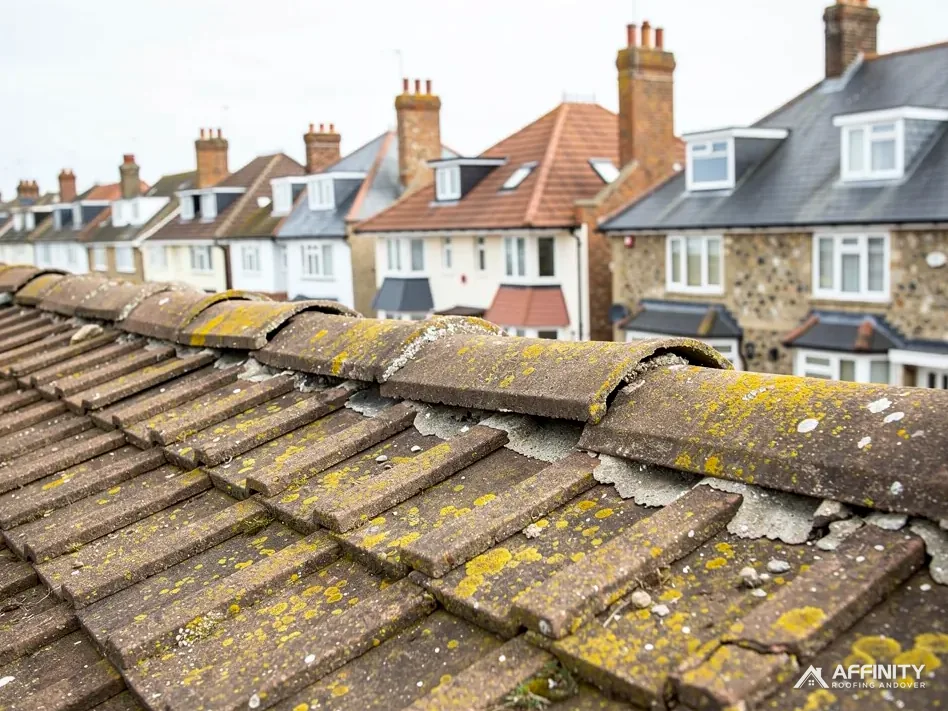
Then something nudges it. A gust gets underneath, frost loosens a bedding, or a bird or a ladder knocks the course. The tile slides down, or sits crooked, or drops out altogether. Look at what sits next to it and you will often see its neighbours are a little proud too.
Marley says BS 5534 covers the fixing of slates and tiles, although nobody is compelled by law to work to it. Even so, fixings chosen for the exposure and the covering are what keep a roof tight over the years.
If the same area has slipped before, the pattern suggests a fixing problem across the slope rather than a freak accident. We check the nails and the battens before deciding what the repair should be.
The route water takes after it slips
A gap in the covering does not mean an instant flood, because the underlay is laid as a second line of defence. It was never designed to be the main weather barrier for long. Direct rain, sunlight and wind will wear it, and where it is torn or lapped badly the water reaches the batten and the loft.
Once there, moisture soaks into timber and insulation. A batten that stays damp softens, and a soft batten cannot hold a nail properly, which means more tiles slip. The fault feeds itself. Meanwhile the water follows a rafter or the underlay downslope and drips well away from the gap, so the stain on the ceiling is often a surprise.
That is why a visible slipped tile deserves a prompt look even while the house is dry. Signs of damage may arrive weeks later, by which time the cause is harder to trace and the repair has grown, and the first stain can sit a long way from the gap.
If you want to understand how a gust makes things worse, read our answer on roof leaks in strong wind.
Sorting it before winter
Cold, wet months are hard on a roof with a gap in it. Water that gets into a joint and freezes expands, and it can lever neighbouring tiles apart. Gutters full of autumn leaves compound the problem by sending runoff over the edge. There is no sense waiting until the first leak announces itself.
The repair itself is usually straightforward: refit the tile, fix it with a stainless nail or clip, and check the batten beneath. If the underlay is damaged it is patched, and a matching tile is sourced if the original has broken. On older roofs, hunting for a tile that matches the old ones in colour and profile can take longer than the fixing.
Which? (Nov 2025) gives a typical UK range of £75 to £400 to replace one to six broken or missing standard tiles, excluding VAT. MyJobQuote (Oct 2026) puts the average for five tiles at around £215. Your own figure depends on the height of the slope, the tile and the condition of the timber beneath.
If the weather is turning before we can attend, our guide to a temporary roof repair explains the stopgap.
What to do, and what not to do
Please keep off the roof and leave the tile where it lies. A slipped tile has lost its fixing, so shoving it back up gives it nothing to hold it, and a person's weight can crack the courses around it. Wet tiles are slippery, and falls from roofs cause serious injuries.
From the ground, note where the gap is, whether any tiles are on the lawn, and whether others look crooked. A snapshot from the garden, taken on a phone, is enough for a first look, and the broken pieces tell us the profile. Keep the broken pieces if you can do so safely, because they help us match the replacement.
Indoors, check the loft with a torch from the hatch for daylight or damp patches under the spot. Check the ceiling below for faint rings, which are early signs.
For small jobs like this, see our page on small roof repairs, and for the fuller picture of what we do, the roof repairs hub explains the survey that starts every job. The price you receive is one written total, set after the survey.