The short answer
A make-safe can sometimes be done in the rain if conditions are safe, but a permanent repair generally cannot. Wet slopes are slippery, and many materials will not bed, bond or seal properly on a damp surface. The usual plan is to stop the water first, then return for the proper repair when the slopes have dried and the weather has settled.
Stopgap in the wet, repair in the dry
Two different jobs get lumped together under the word repair. The first is a make-safe: a temporary measure to stop water entering the house. The second is the permanent repair, which restores the roof to how it was built. They suit different weather.
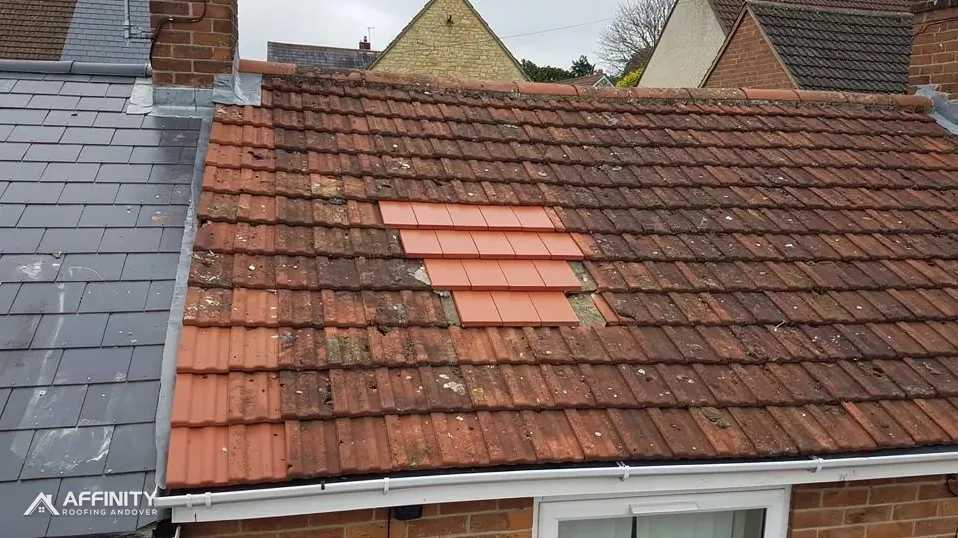
A make-safe may be possible in wet conditions when the roof can be reached safely. It might be a sheet fixed over a damaged area, a few tiles pinned back, or a cleared outlet. These are quick, tolerant of damp and designed to buy time. Their only aim is to keep the house dry until the weather lets the real work begin, which can take days.
A permanent repair is fussier. It involves lifting coverings, working on timber, bedding and fixing, and often joining new material to old. Most of that goes better, and lasts longer, on a dry roof.
That sequence protects you. A roofer who makes the roof safe in a storm and then asks to return in dry weather is not stalling, but following the order the materials require. Our guide to temporary roof repairs explains the first stage in more detail.
Materials that need dry weather
Many roofing products depend on the surface they stick to. Flat roof coverings are the clearest case. Felt that is torch-welded or bonded, EPDM rubber stuck with adhesive and GRP fibreglass laid in resin all need a dry, clean deck. A membrane laid over damp boards can trap the moisture and blister, and any joint made while it is wet tends to be the weak point later.
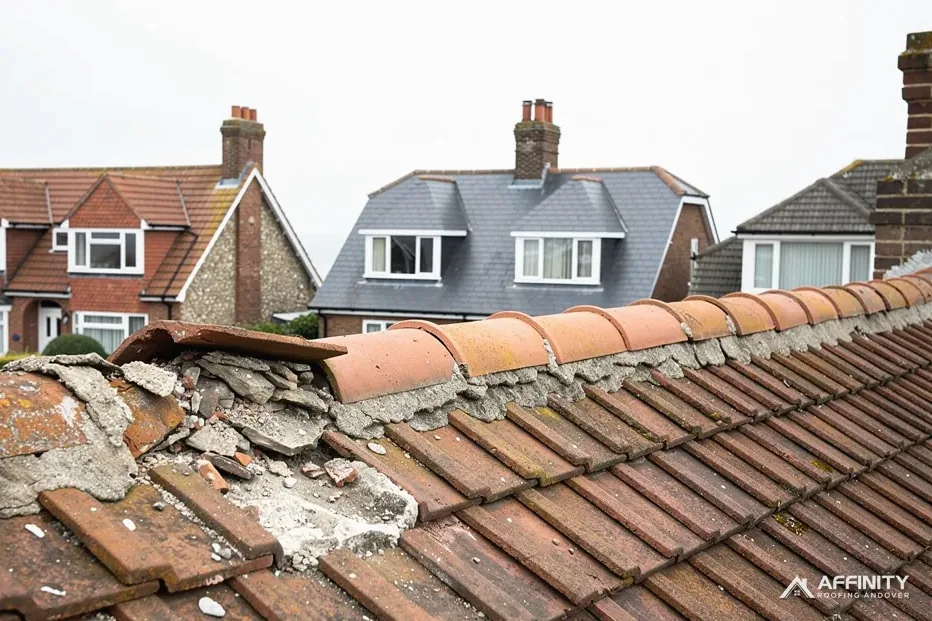
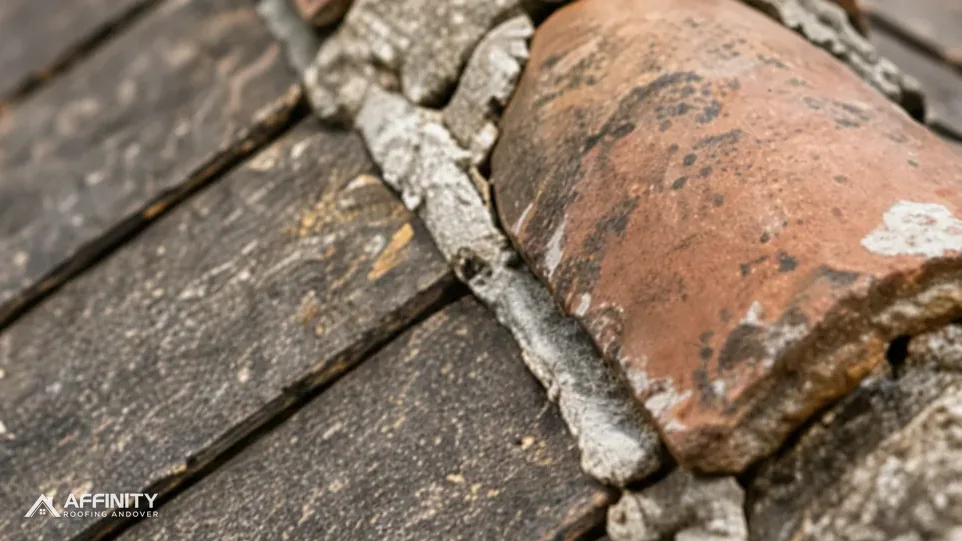
Sealants, mastics and flashing compounds behave in the same way: they grip dry surfaces and let go of wet ones. Cement-based work, such as bedding a ridge or pointing a verge, needs time to set and can wash out if it rains too soon. Mortar is not trusted as the only fixing on modern ridges and verges anyway, which is one reason dry-fix systems are used.
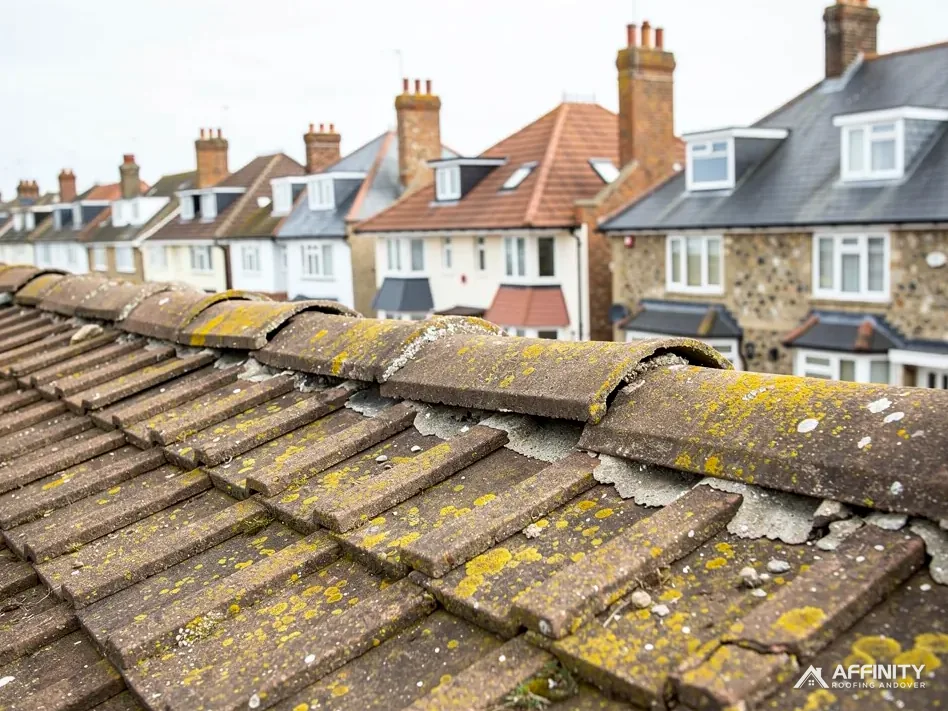
Tiles and slates are more forgiving, since they are laid dry and held by nails and clips. But even they are not worth lifting in heavy rain, because every opened area lets water straight onto the underlay and into the loft.
Lead work needs dry conditions for clean dressing and fixing. Our guide to common roof repairs shows which kinds of repair are tolerant and which are not.
Safety comes before the schedule
Rain changes how dangerous roofing is. Wet tiles, slates and felt are slippery, moss turns slick, and a roof ladder can slide. Wind that often comes with rain makes handling sheets and tiles hazardous. For anyone working at height, these conditions can matter more than the repair itself.
A responsible roofer will turn a job down, or wait, rather than work when it is unsafe. That is not reluctance. It is the same judgement we apply on every roof, and it protects the people on site, the neighbours and the property below.
You can help by staying off the roof entirely. Please do not climb up to cover a hole or check a leak in the rain. Stay inside, protect the room, move electrical items and, if you must look, do so from a bedroom window.
Where scaffolding is needed, wet conditions add to the care required, and the licence timetable set by the highway authority still applies. Our roof repairs team will tell you plainly whether a make-safe is safe to attempt on the day.
What to do while it is still raining
Start with the house. Catch drips with a bucket or bowl, lay towels to stop pooling and move furniture and valuables away from the wet. If water has reached a light or any wiring, turn the power off and have an electrician look before the roof gets any attention.
Photograph the damage as it happens, from inside and from the ground. Pictures of water coming through, taken in the rain, are useful evidence if you later claim, and they show a roofer exactly what to look for. Tell your insurer early if storm damage is involved.
Then ring a roofer and describe what you can see, however small it seems. Say that the weather is wet and ask what can be done now and what must wait. A good answer separates a make-safe from a permanent repair and does not promise a finished job in a downpour.
Once the roof is safe, we survey the cause in drier conditions and set out the repair, with photographs and one written price. A leak may stop when the rain does, but the defect behind it has not gone away. Do not treat a dry spell as a cure.