The short answer
Over time, yes. Cleaning removes the growth that is there, but it does not change the shade, damp and tree fall that let it settle. A biocide slows regrowth for a while, and good drainage and light help, but a shaded slope will green up again sooner than a sunny one. How soon depends on the roof and its surroundings.
Why regrowth is normal
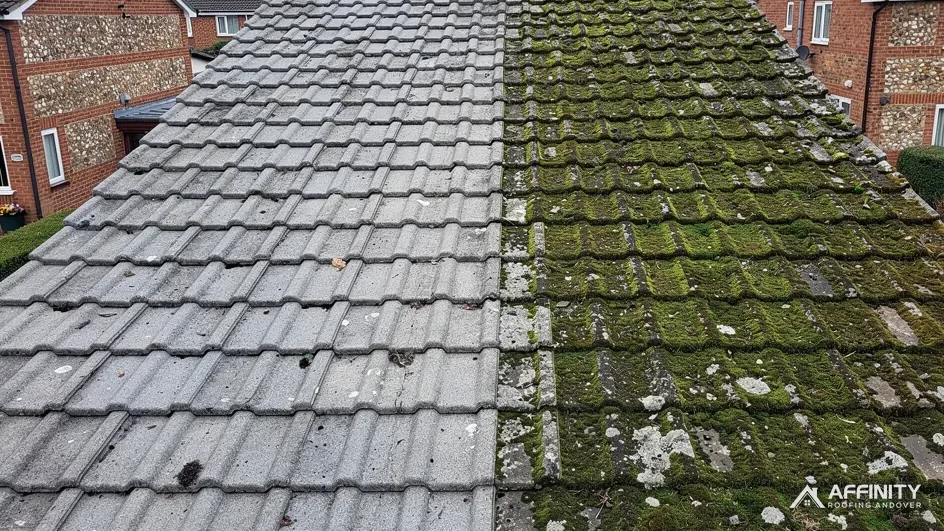
Moss and algae reach a roof as spores carried on the wind and rain. They are always about, so a freshly cleaned tile is not protected from them, only free of what was there before. Whether the spores take hold depends on the conditions on the tile, not on whether the roof has been treated.
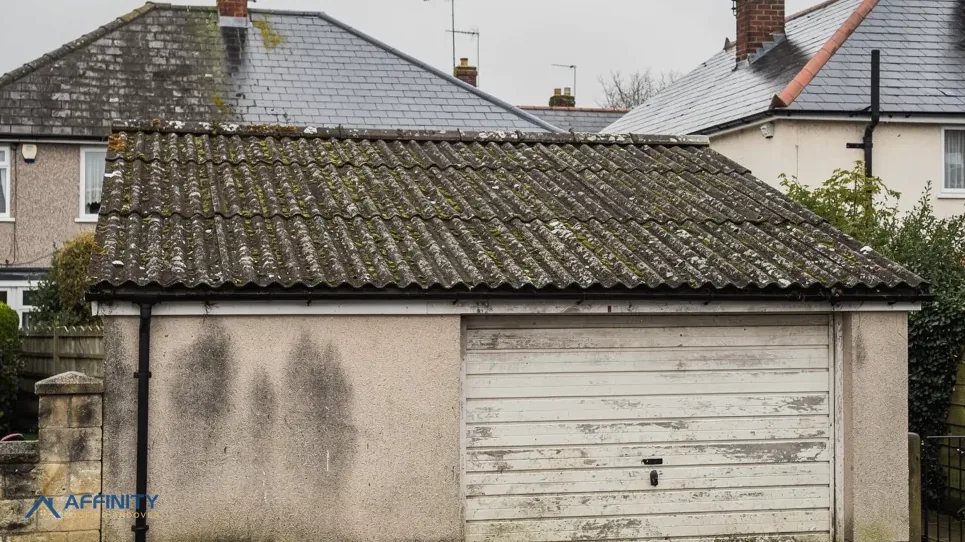
The conditions that matter are damp, shade and shelter. A slope that stays wet after rain, sits under branches or faces away from the sun gives spores what they need. A roof is also a slowly weathering surface, and as tiles age they become rougher and hold more moisture, which makes them easier to colonise.
So a clean resets the clock but does not stop it. On a bright, open roof the reset may hold for years. On a roof under trees, growth can reappear within a few seasons. That is not a sign the work was poor, it is the nature of the site.
A fair roofer says so at the outset. If anyone promises a roof that will never grow moss again, ask what the claim is based on, and what happens if it proves wrong. We describe what to expect on your own roof, using the shade and the covering as a guide.
How a biocide slows it down
A biocide treatment does more than kill what is already visible. Many leave a residual effect on the surface, which makes it harder for new spores to establish for a time. That is why a treated roof usually stays cleaner for longer than one that has simply been scraped, although the length of the benefit varies with the product and the conditions.
Gentle treatment also protects the tile. Marley makes tiles and does not recommend jet washing them, since a strong jet can strip the tile surface and shorten its life. A damaged surface is rougher and wetter, which is the very thing that invites growth back faster. Scraping has the same effect.
Biocides are regulated, and the Health and Safety Executive advises that products meant only for professionals should not be used by the public. A roofer using approved products, applied to the label, is part of the value of the job.
Results are gradual. The growth dies after treatment, but rain takes weeks to wash it away, so the roof looks best some weeks after the visit. Our guide to roof biocide treatments sets out the timetable.
Shade, trees and drainage
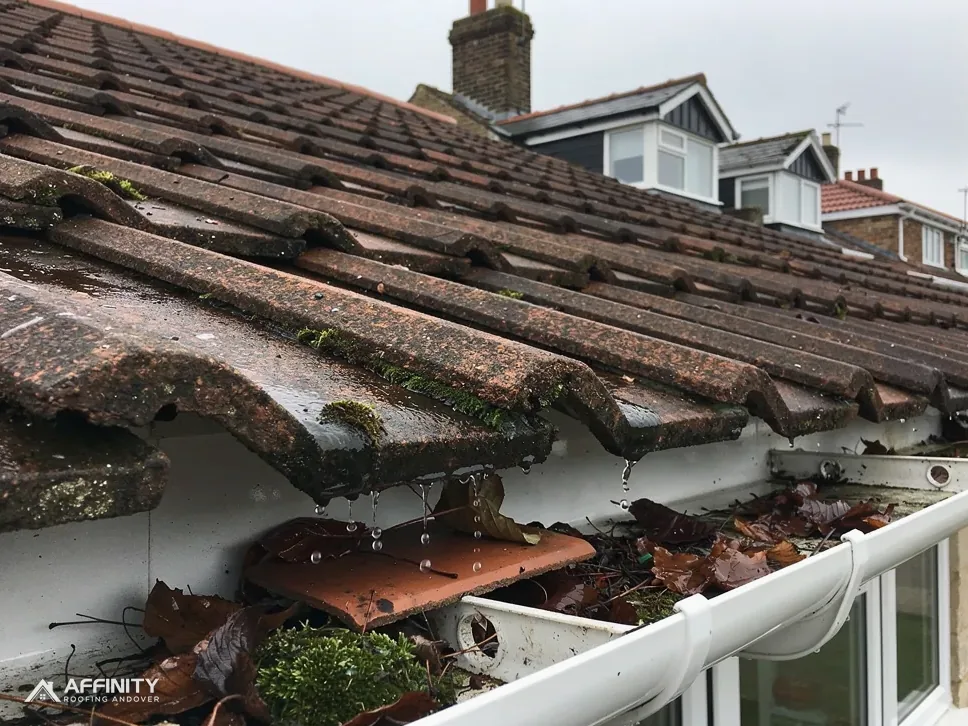
The strongest influence on how quickly moss returns is the damp that surrounds the roof. Reduce that, and the benefit of the clean lasts longer. Trim branches back so that light and wind reach the tiles, and take the chance to cut back any that touch the roof or drop leaves into the valleys.
Keep the gutters clear. Water that leaves the roof edge quickly leaves less moisture behind, and a free-running system stops debris breeding growth at the base of the slope. Fix slipped tiles and ridge faults that let damp collect, because a wet patch under the tiles is a foothold for growth above.
North-facing slopes and low pitches are the hardest cases. Our answer on why moss grows on north-facing roofs explains the pattern, and it is realistic to expect those slopes to want treatment sooner than the sunnier ones.
Nothing here needs you to go up on the roof. Pruning is done from the ground or by a tree surgeon, gutter checks from a stable ladder or a window, and photographs of the slopes twice a year show you when growth is returning.
Planning for the long term
The sensible plan accepts a cycle. Treat the roof when growth thickens, keep the gutters running, and watch the shaded slopes more closely than the sunny ones. That costs less than frequent heavy cleaning, and it keeps the tiles in better condition.
Some owners add metal strips below the ridge to discourage regrowth. They can help in particular places and they have limits. Our answer on zinc strips for roof moss covers where. Coatings are a bigger step and rarely needed on a sound roof.
At the survey, we tell you how likely regrowth is, what would slow it on your house, and when a second look would be sensible. Where the covering is close to failing, we tell you plainly, since cleaning a roof in that state is poor value.
The roof cleaning and moss removal page lists the work, and what the job costs is fixed after the survey in one written total. If you want a view first, send photographs of the shaded slopes and the gutters.