The short answer
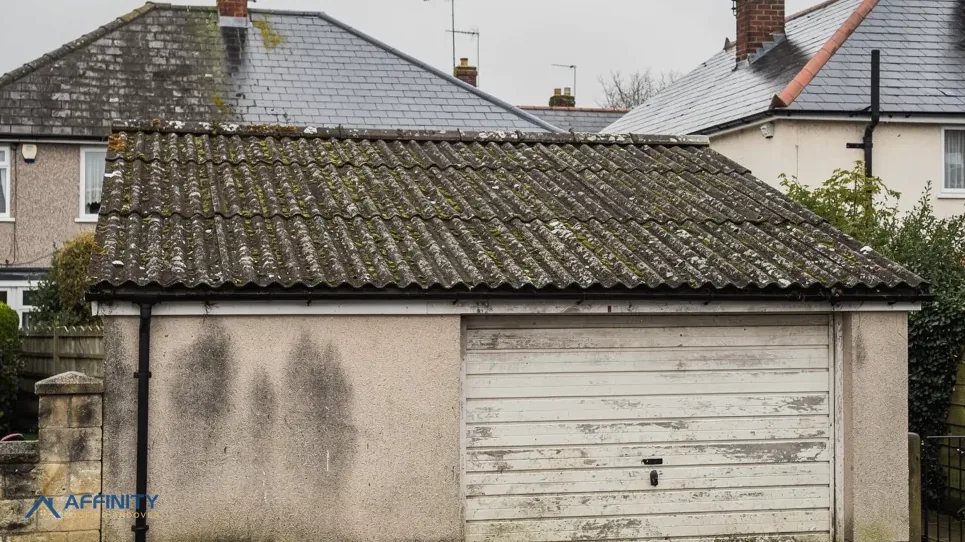
Yes, it can, though usually in a roundabout way. Moss rarely punches a hole through a sound tile. It holds water against the roof, lifts the edge of the tiles above it and clogs valleys and gutters, so rain is pushed to places it was never meant to reach. A leak under a mossy slope is worth a proper look rather than a guess.
How a sponge of moss lets water in
Moss is a mat of tiny stems and a spongy base. After a shower it soaks up water and keeps it, so the tile underneath stays wet for days when a clean tile would dry within hours. That constant damp is the first way moss helps a leak along.
The second is capillary action. Water will creep sideways and even uphill through a very narrow gap, and the join between two overlapping tiles is just such a gap. A saturated cushion of moss gives it a steady supply, so water can be drawn further under a tile than ordinary rain would ever push it.
Frost adds to the trouble. Water held in moss and in the pores of a tile freezes and expands, and over several winters that can flake the surface or crack the edge of a tile. The crack then lets in water on its own account.
None of this means every mossy roof leaks. Plenty of mossy roofs stay dry, and the tile and underlay beneath may be sound. Moss raises the odds of a leak, and the roof has to be checked before anyone decides how much of the problem is the growth.
Blocked valleys, gutters and hidden gaps
The places where moss does most harm are the ones where water is meant to move fast. A valley is the trough between two slopes that meet at an angle, and it collects a large share of the rain from each. Moss and the debris that gathers in it slow the flow, and when the channel fills, water backs up and spills over the edge onto the tiles, under them, or onto the fascia and wall below.
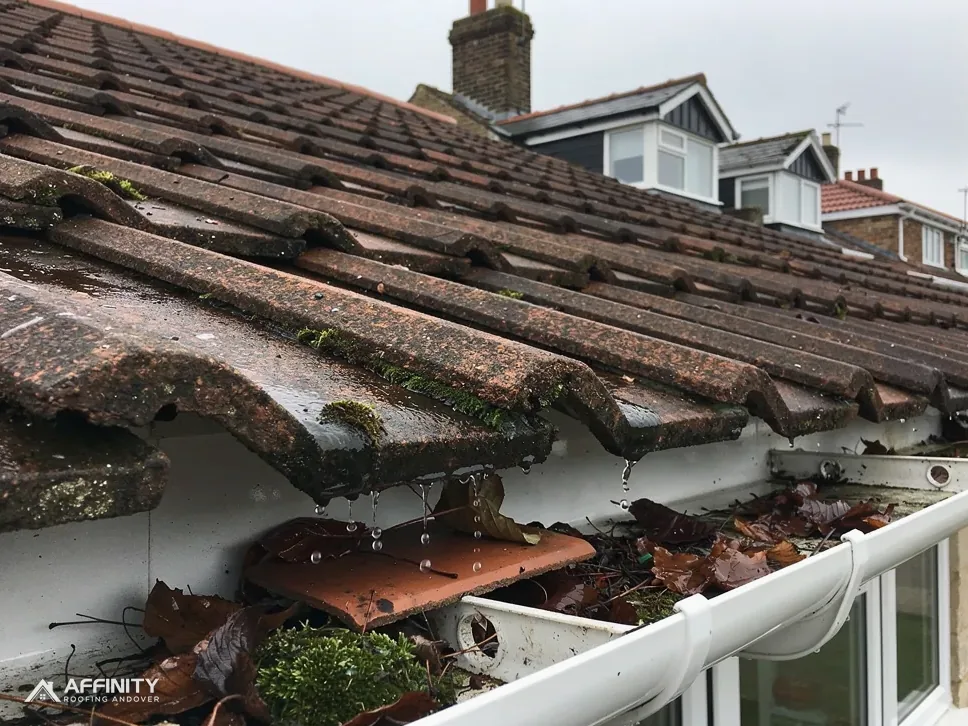
Gutters behave in the same way. Moss that comes loose from the slope drops into them, mixes with grit and leaves, and builds a plug at the downpipe. Overflowing water then runs down the wall or soaks into the eaves timbers. A damp patch that appears on a ceiling just inside the wall is often traced to this kind of overflow, not to a hole in the tiles.
Moss can also grow into the gap between a tile and its neighbour, wedge the tile slightly upward and break the overlap that keeps water out. Our answer on moss blocking gutters goes through how the blockage develops and what clearing it involves.
What to check before blaming the moss
When a customer calls about a leak and a mossy roof, we treat the moss as a clue, not a verdict. The first job is to find where the water actually enters. That means looking at the loft with a torch for dark timbers or a wet underlay, checking the valley and gutter runs, and then examining the tiles above the stain from safe access.
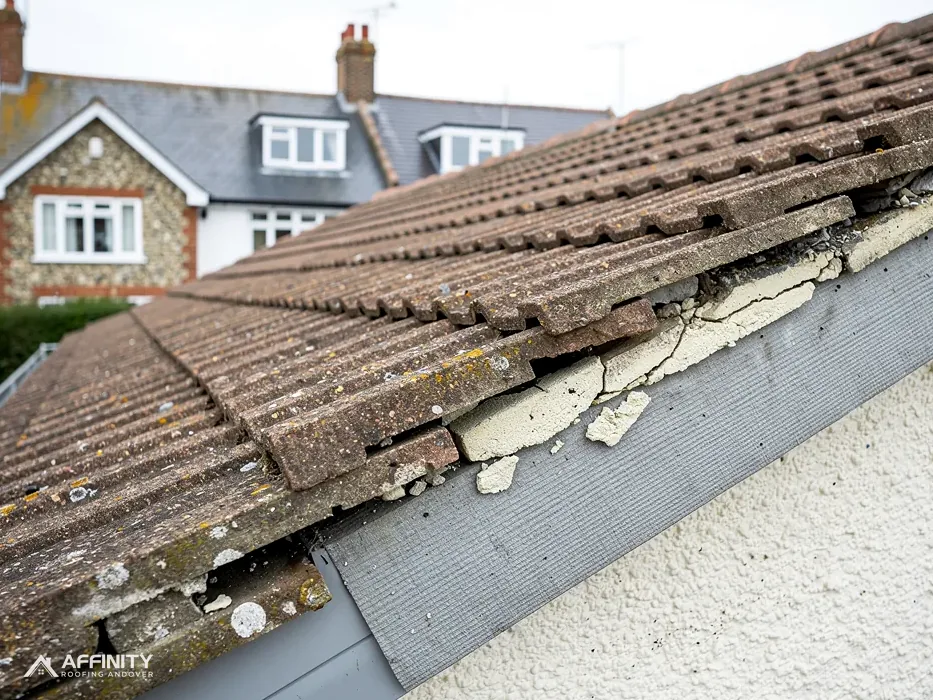
The usual causes sit alongside the moss: a cracked or dislodged tile, bedding mortar that has crumbled at the ridge, flashing that has lifted at a chimney, or underlay worn thin under the battens. A leak can have several of these at once, and cleaning off the moss will not cure any of them. Each fault gets its own photograph, which you keep.
If the survey shows that moss is the only problem, the answer is a biocide treatment and a clear-out of the valley and gutters. If a fault sits underneath, the repair comes first, because treating a roof with holes in it only hides the evidence. Our page on whether moss damages a roof looks at what else the growth can do to the tiles over time.
What to do about a leak under a mossy roof
Start inside. Move belongings out from under the stain, put a bucket or a tray beneath any drip, and if water is near a light fitting or socket, switch off at the consumer unit before anything else. Take photographs of the stain, because they help with the survey and with an insurer if you ever need to claim.
Then look from the ground, not the roof, and please resist the urge to climb up and scrape. Wet moss is slippery, a tile can snap under your weight, and tearing away a thick mat may strip the surface or open a gap that is currently holding.
A roofer will survey the roof, photograph what is found, and recommend the order of work. That might be a repair followed by a treatment, a treatment alone, or a gutter and valley clear-out first, depending on where the water is getting in and how far the growth has spread. The written quote that follows is one total price. If you want the wider picture of how treatments are carried out, the roof cleaning and moss removal page has it.