The short answer
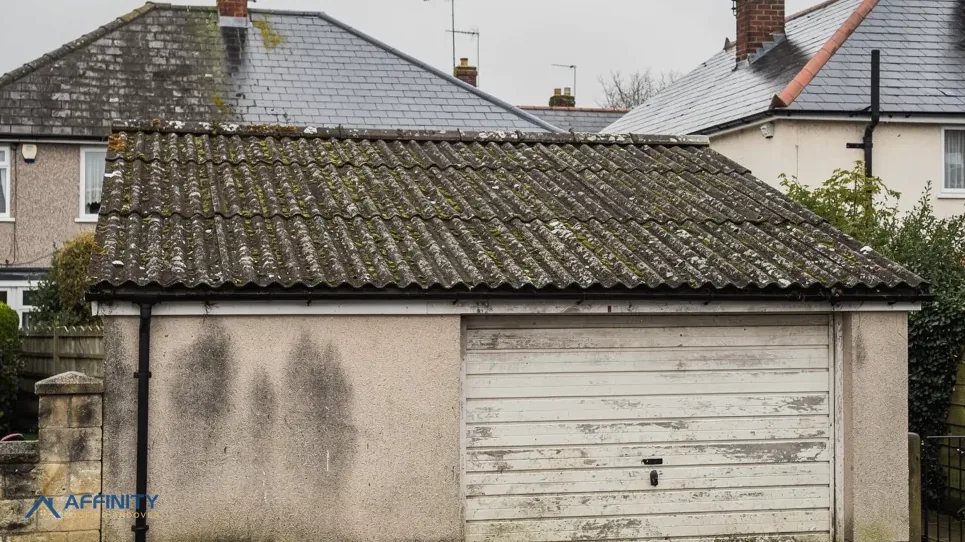
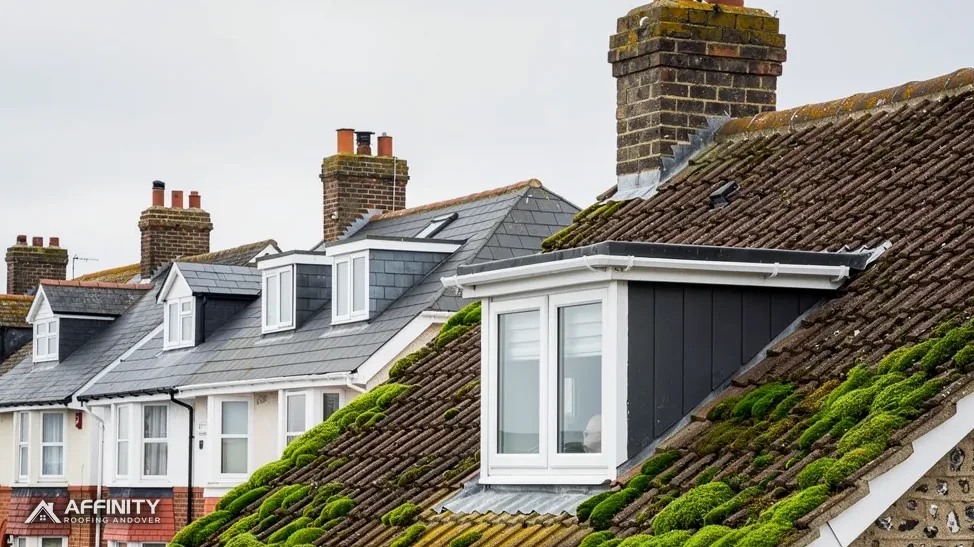
It can be. A light dusting of moss is not an emergency, but thick growth holds water against the roof, can push tile edges upward and drops into gutters, where it causes blockages. Over several winters that wetness shortens the life of a covering. The harm builds slowly, which is why a survey is a better guide than the colour of the roof.
Moss that holds water against the tile
A cushion of moss acts like a wet flannel laid on the roof. It drinks in rain, fog and dew, and it releases the moisture slowly, so the tile beneath may stay damp long after the sun has dried the rest of the slope. Tiles that are wet for most of the winter absorb more water, and that is when the trouble begins.
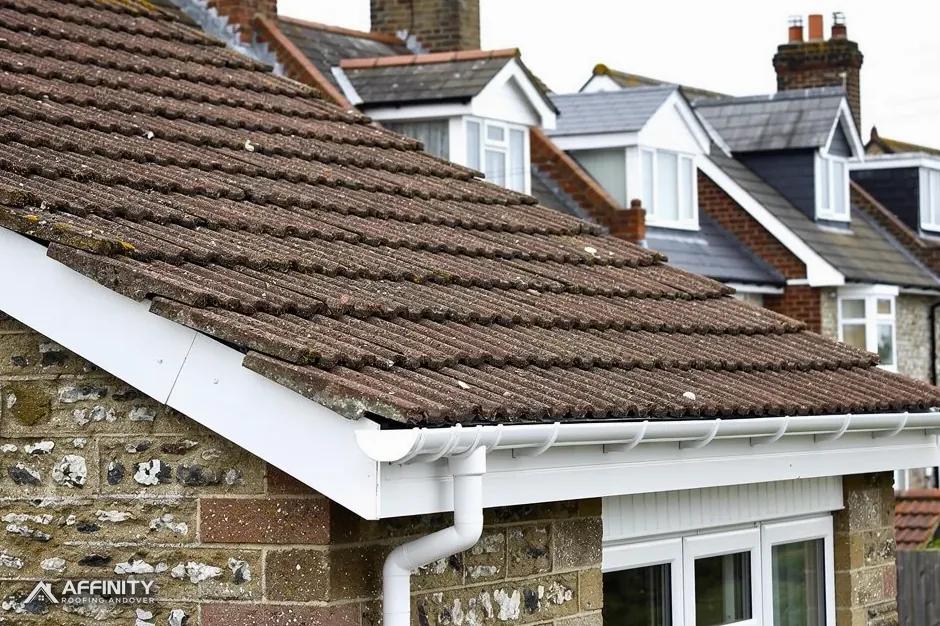
A saturated tile is heavier, it is colder, and it is exposed to frost. When water inside the tile freezes it expands, and repeated cycles flake the surface and weaken the edges. Clay and concrete tiles both suffer in this way, and a flaking tile holds more water still, which feeds the moss.
The wetness also reaches the timber. Battens that are repeatedly dampened through the overlaps can soften with time, and the underlay below them ages faster than it should. None of this happens in a month. It builds over many seasons, which is why thick moss on a slope that has been left alone for a long while deserves attention before the next winter.
A light film is different, and cleaning it may be optional.
Moss that lifts tiles and hides faults
Moss grows into every crevice, and the crevices of a roof are the overlaps between tiles. As it thickens, it can wedge in the gap, and because roof tiles rely on the overlap to shed water, even a small lift around the tail of a tile can let rain track further under it than it should.
A thick growth also hides the surface. Cracks, slipped tiles and crumbling ridge mortar are much harder to see under a green carpet, and a roof that has been quietly deteriorating may only reveal the full state of things after the moss is treated. We photograph what appears so you can judge it for yourself.
Tiles can also be damaged by the way moss is removed. Scraping, scrubbing and forceful water all take the surface off, and a tile without its protective face is more likely to hold water in future. For the method we prefer, see the guide to roof cleaning methods compared.
Left alone, the difference shows up as a roof that needs repairs sooner than a clean one would. It does not mean every mossy roof is failing, only that the odds are worse than for a dry, clear roof.
Moss in gutters and at valleys
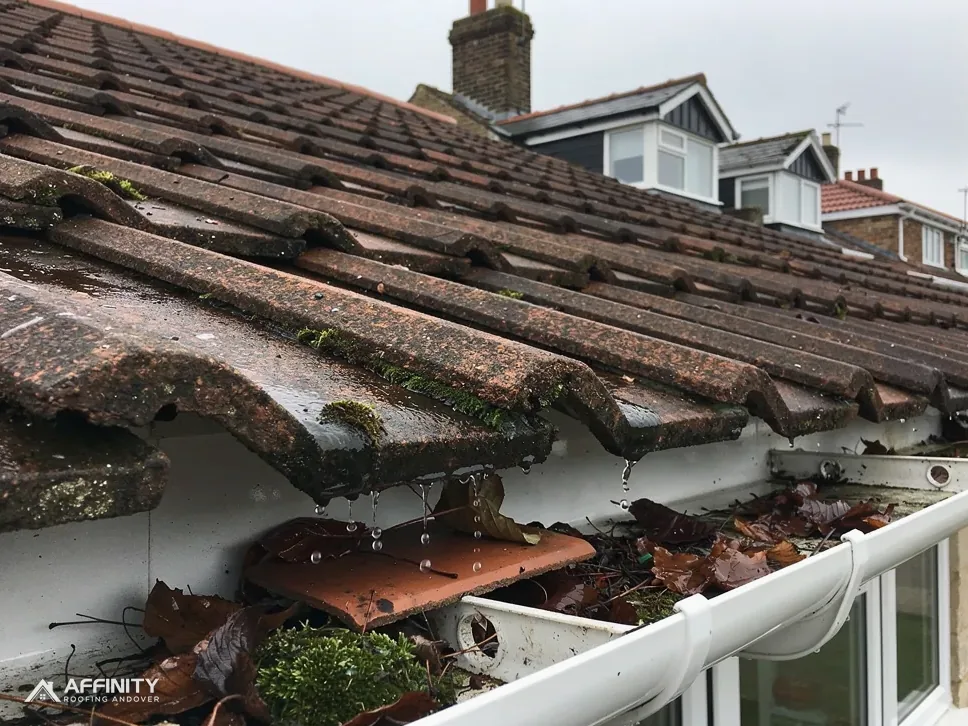
Gutters suffer first. Moss loosens in storms and in the weeks after a treatment, drops to the eaves and settles into the gutter, where it mixes with grit from the tiles. A plug forms at the outlet, and the next heavy rain has nowhere to go.
An overflowing gutter drenches the fascia and the wall below. Timber boards can rot, brickwork stays damp, and water may track back into the roof edge. The same applies to valleys, which carry the rain from two slopes at once. A valley blocked with moss behaves like a dam, and it is a common source of ceiling stains. Our answer on whether moss causes a roof leak explains the route water takes.
Because of this, a good moss treatment does not stop at the tiles. The gutters are cleared, the downpipes are checked for free flow, and any valley is cleaned out. If the weight of wet moss in an old gutter has pulled it out of line, you will see that too.
Regular gutter checks cost very little beside the repairs that follow a long-running overflow.
When to treat it and when to leave it
Not every patch of moss needs action. A thin green film on a north slope that drains well, with sound tiles and clear gutters, can usually be watched. Photograph it each spring and autumn and compare the images. If it spreads, thickens or starts to appear on the ridge, the valleys or the lower courses, treatment becomes worth having.
If the moss is thick, the tiles are old, or water marks show inside, book a survey. We look at the whole roof, not only the growth, then recommend the gentlest method that works. The treatment is usually a biocide applied from safe access. Our roof biocide treatments guide covers how it works and why the results appear gradually.
Please do not scrape moss off yourself. Tiles are fragile when wet, and removing thick growth can expose gaps that were temporarily sealed by the moss itself. Photographs from the ground are safer and are all we need to begin.
The cleaning and moss removal hub brings these jobs together on the roof cleaning and moss removal page. We send one written total price once the survey is done.