The short answer
They can slow it, but they do not stop it. A strip of zinc or similar metal under the ridge tiles lets rain carry traces of the metal down the slope, which discourages growth on the tiles below. The effect is limited to the area under the strip, fades as the metal weathers, and works best on a roof that has first been cleaned.
How the strips are meant to work
The idea is simple. A narrow strip of zinc, or a similar metal, is fixed so that it sits beneath the ridge tiles or along the top course of a slope. When rain falls on the metal, it picks up tiny traces of it and carries them down over the tiles beneath. Those traces make the surface less welcoming to moss and algae.
That process happens slowly and only where the water runs. Each strip protects the tiles below it along the line the water takes, and the effect weakens with distance. A strip at the ridge helps the upper part of the slope far more than the eaves, which is where moss often starts, because the lower courses stay damp longest.
The metal has to touch the tile surface or the rain flowing over it, and it has to be fixed securely so that wind cannot lift it. Where the roof has a dry-fix ridge system, the strip must sit under the ridge without disturbing the fixings or ventilation. Done badly, it can create a path for water or a wind-lift problem.
Lead behaves in a similar way, which is why moss is often less of a problem below lead flashings and valleys.
What the strips cannot do
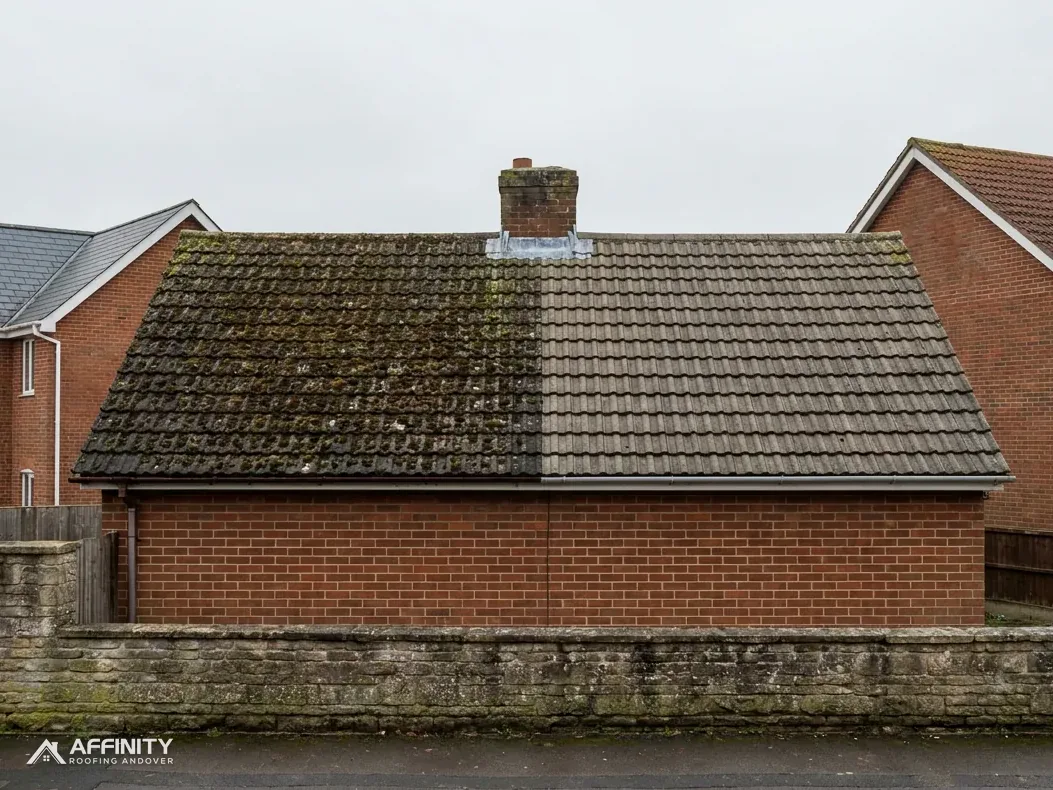
Strips do not clean a roof. Moss and algae already growing on the tiles are not removed by them, so a roof should be treated and cleaned first. Fitting a strip over a mossy slope and expecting it to clear the roof will only disappoint.
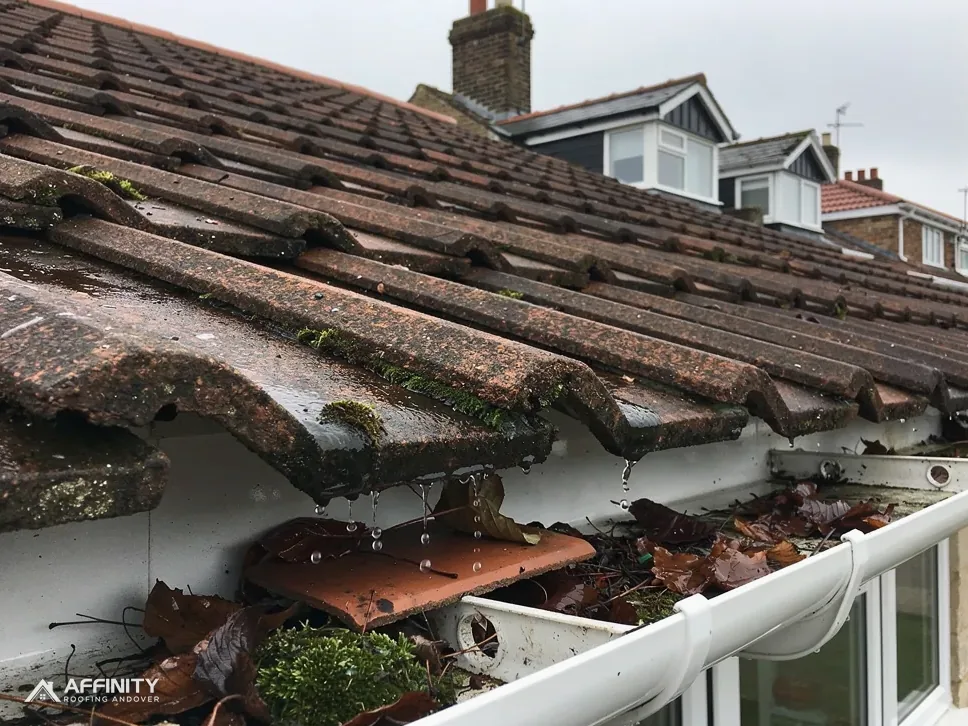
They also do not address the reasons moss grows. A shaded slope under trees, with blocked gutters and rough, porous tiles, can overwhelm the effect of any strip. The metal makes conditions less favourable but it does not make them impossible, and heavy damp still wins.
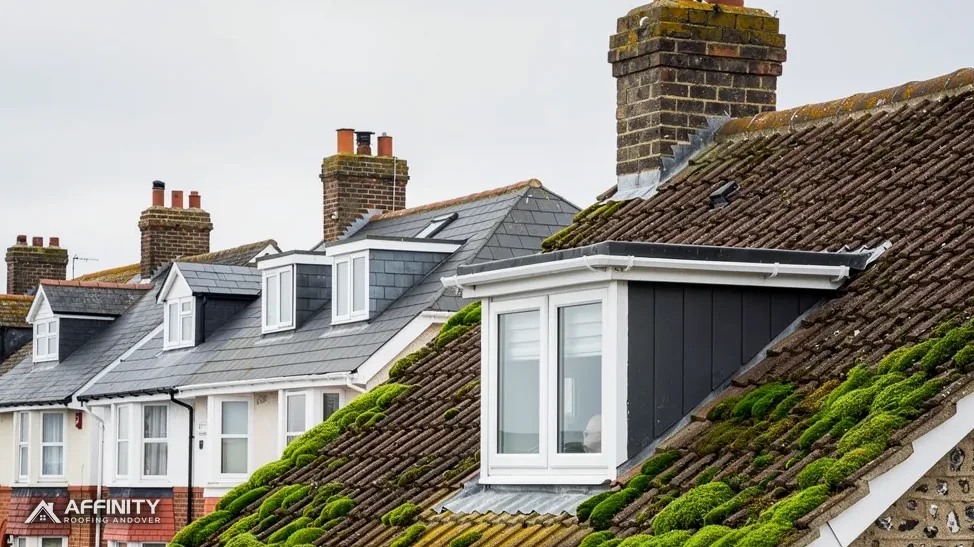
Coverage is another limit. A broad, long slope may need strips at several levels, and each adds to the cost and the number of fixings. A strip only protects tiles in the path of water running from it, so tiles to one side, around a chimney or beneath a dormer may not benefit at all.
Finally, results vary, and published claims about how long the benefit lasts differ between suppliers. We prefer to describe the effect as a slowing, not a guarantee, and we would never promise a roof that stays clear. Our answer on whether moss comes back sets out the realistic expectation.
Fitting and maintenance
A strip is a small fitting, but it is fixed at the ridge, which is the most exposed part of the roof. It is best installed by a roofer who is already on site with safe access, ideally at the same time as a clean, ridge repair or re-bedding. Doing it separately means paying for access just for the strip.
The metal weathers. As the surface oxidises, the trace amount that washes off may change, and a strip that has been in place for years needs checking. It should still be firmly fixed, free of debris and in contact with the water path. Leaves and moss that settle on a strip can block the flow that makes it work.
Metals should not be mixed carelessly. Different metals in contact can corrode each other when wet, so the fixings and the strip must be compatible with each other and with any lead or aluminium nearby. This is a detail to ask about before work starts.
Your own routine matches that for any roof: check twice a year from the ground, keep the gutters clear and treat growth when it thickens. The roof cleaning and moss removal page lists the options and the roof tile coatings guide covers a different approach.
Are they worth it for your roof?
On a roof that grows moss quickly and where repeated cleaning is a nuisance, strips can lengthen the gap between treatments. They suit a simple, open slope beneath the ridge with sound tiles. They are a weaker choice when growth begins at the eaves, where shade is heavy or where the covering is failing.
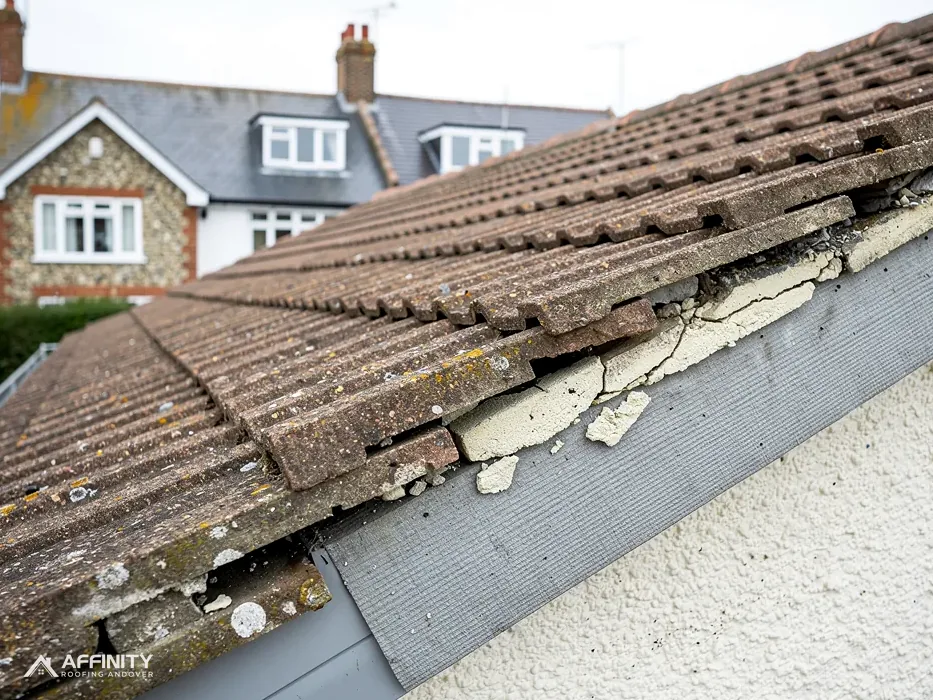
It helps to sort out the cheaper measures first. Trim the trees, clear the gutters and repair slipped tiles. Those steps tackle the damp that feeds the growth, and they cost little. Strips are a small extra on top of a good base, not a replacement for it.
On the survey visit we study the slope, the shade and the ridge detail, then advise whether strips are likely to help. If they are not, we tell you directly, because a fitting that does little is poor value. If they are, they can be quoted into the same visit as the clean.
What you pay turns on how long the ridge is and how it is reached, and the written price after the survey covers the whole job in one figure. Photographs of the ridge and the mossiest slope are a good place to start.