The short answer
There is no calendar interval that suits every tile roof. A roof should be cleaned when growth is causing a problem, such as thick moss, blocked gutters or damp tiles, not on a fixed timetable. Shade, nearby trees and the direction a slope faces decide how quickly growth returns, so a twice-yearly look from the ground is a better guide than a number of years.
Clean when the growth causes trouble
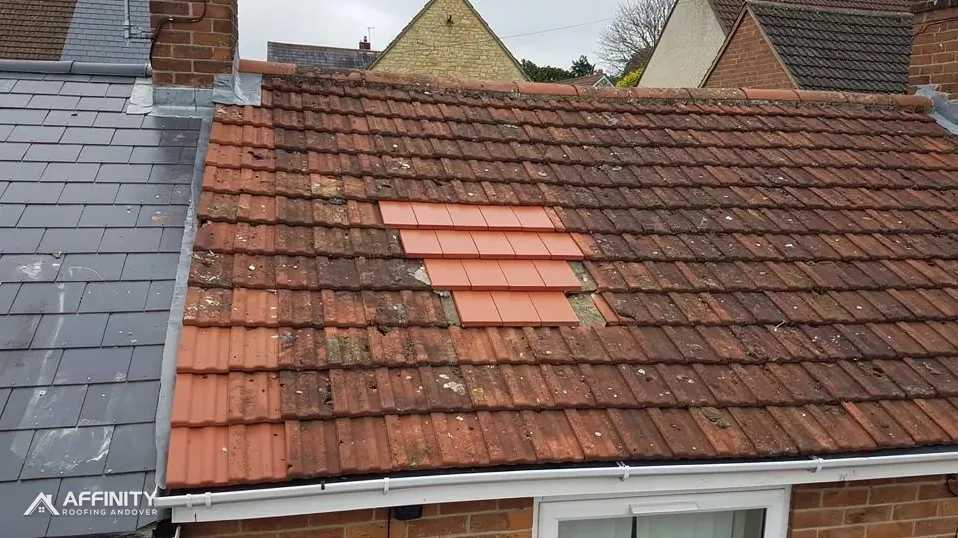
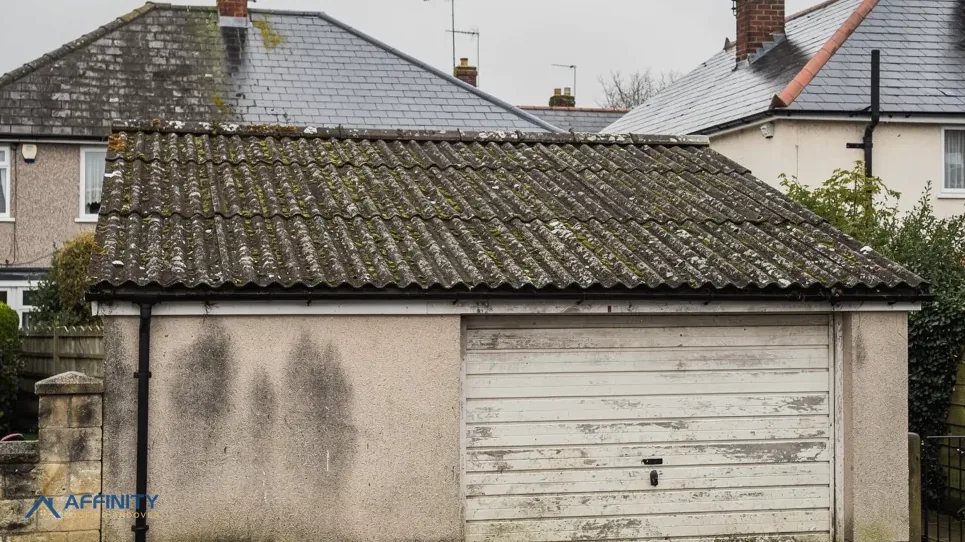
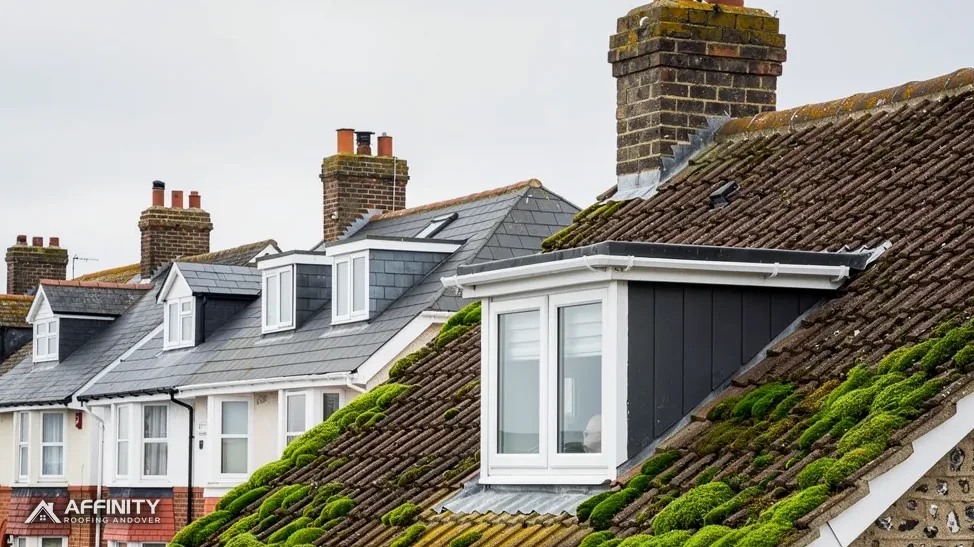
A roof does not need cleaning simply because time has passed. Plenty of well-drained roofs stay in good order with nothing more than a clear gutter. What triggers work is evidence: moss that has grown into thick cushions, a film that is spreading to the ridge, gutters collecting debris, or damp patches showing inside.
The point is to deal with the effects, not the appearance. A faint green tint on one slope is a cosmetic matter, and you may decide to leave it. Moss that lifts tile edges, holds water or drops into the guttering is worth removing, because it can lead to overflows, flaking tiles and a harder job later.
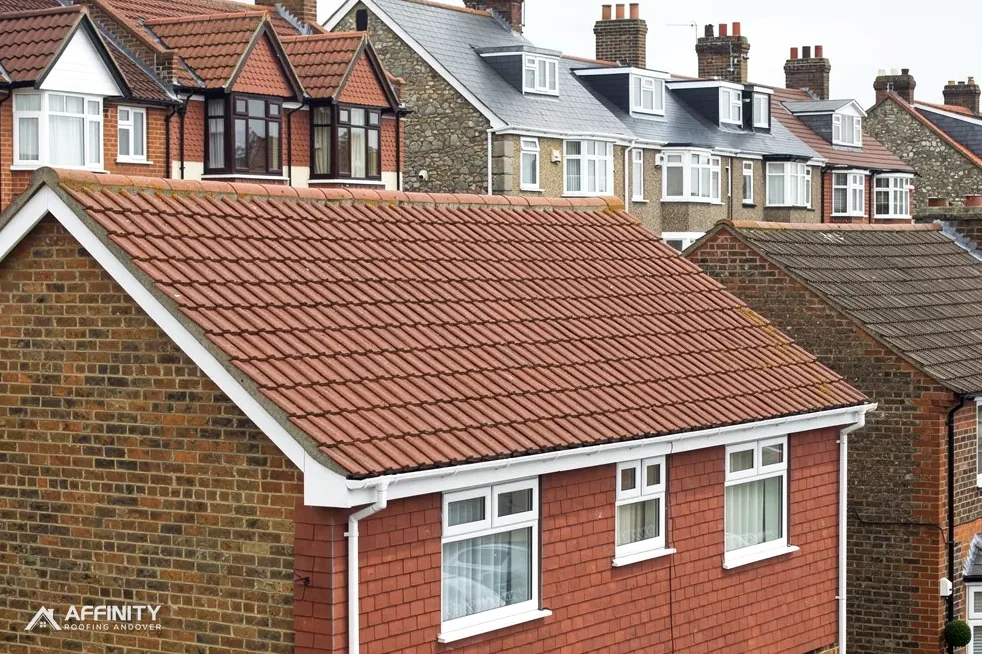
Equally, a very clean-looking roof can hide problems. Slipped tiles, cracked pointing and worn flashings do not depend on moss, and an annual look is useful even when the surface seems fine. Cleaning is one piece of roof maintenance, not the whole of it.
If you are unsure which category applies, a survey settles it. We photograph the slopes, tell you what the growth is doing, and recommend treatment only if it is justified. Our answer on whether cleaning is worth it sets out the same test.
Shade, trees and the way a slope faces
Growth follows damp, and damp follows shade. A slope turned away from the sun, tucked beside a taller building or sitting under overhanging branches dries slowly after rain, and it will green up much sooner than an open south-facing slope. A roof with both kinds can need attention on one side and nothing on the other.
Trees add more than shade. Leaves, seeds and twigs land on the roof and rot in the valleys and gutters, creating a fertile bed for moss. Sap and droppings feed algae. A roof under a mature tree may need its gutters cleared more often than the tiles need treatment, and a few cuts with a pruning saw can change the pattern.
Newer tiles may stay clear longer than old ones, since an intact surface is harder for spores to grip, but they are not immune. Porous or weathered tiles hold moisture and give growth more to cling to.
Our answer on why moss grows on north-facing roofs explains the reasons in more detail. The practical consequence is that your roof's own pattern, observed over a couple of years, is a better guide than any general rule.
A simple check twice a year
Spring and autumn are good moments to look. From the garden or the pavement, stand back far enough to see each slope in full, and use binoculars or a phone zoom for the ridge and valleys. Note the colour of the tiles, any patches of growth and anything that looks out of line.
Look at the gutters from a stable ladder, or from an upstairs window if you can see them, and watch for water spilling over the edge during a heavy shower. Check inside the loft after prolonged rain, using a torch, for damp timber or a dark underlay. Take photographs each time so you can compare them with the last set.
If the pictures show growth thickening, or a second slope turning green, it is time to ask for a survey. If they show slipped tiles or a gap at the ridge, that is a repair job and is better handled first.
Keep your feet on the ground while you do this: photographs from the lawn, a path or an upstairs window give us enough to judge whether a visit is worth making.
What regular cleaning should and should not involve
If your roof does need treatment repeatedly, the method matters even more. Marley does not recommend jet washing a roof, because the force strips the tile face and cuts its expected life. Repeating that every few years would turn a maintenance job into a slow way of ruining the covering.
A biocide treatment applied gently is better suited to repeat visits. It does not remove tile material, and the dead growth washes away on its own. Between treatments, regular gutter clearance and tree trimming reduce how often anything else is needed. Biocides are regulated, so the professional-only kinds are for a roofer, not a householder, and the Health and Safety Executive makes the same point.
Treatments also vary in how long the effect lasts. We explain what to expect for your roof, taking account of the shade and the covering, instead of quoting a number of years that may not apply.
The roof cleaning and moss removal page lists every method, and our answer on moss coming back covers what follows a clean. A survey ends in a single written total.