The short answer
There is no single answer, because the time on site depends on the size and steepness of the roof, how it is reached, the method used and the weather. A small roof may need a short visit, while a large or awkward one takes longer. The visible result of a biocide treatment arrives gradually, over weeks, not on the day.
What decides the time on site
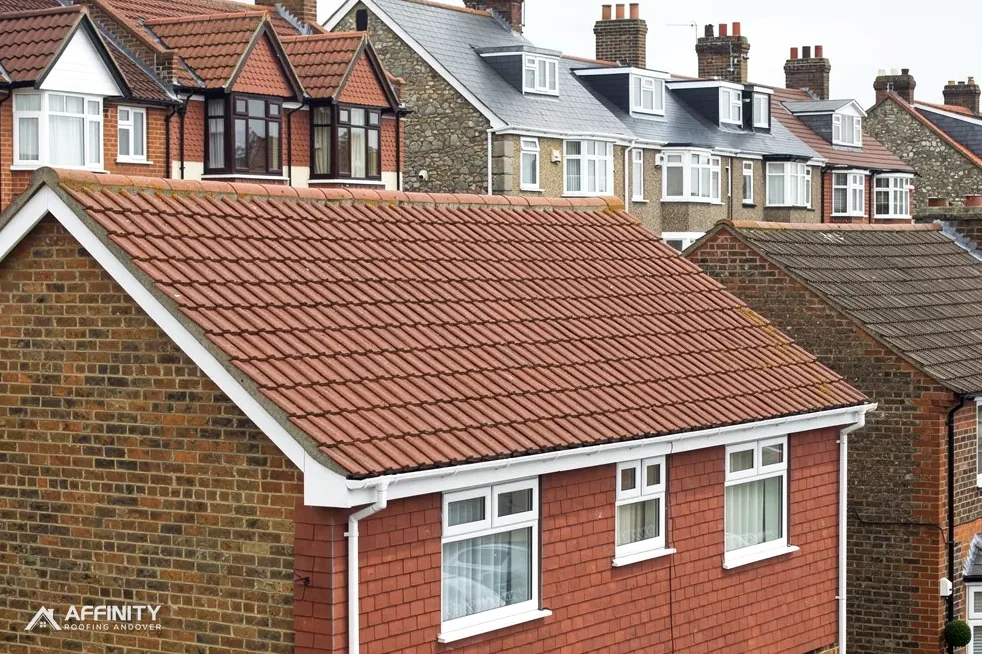
The roof itself is the first factor. A modest bungalow with a gentle pitch and a clear run for a ladder is a different task from a tall house with several gables, a dormer and a conservatory abutting the main slope. More area, more steepness and more awkward corners all add hours.
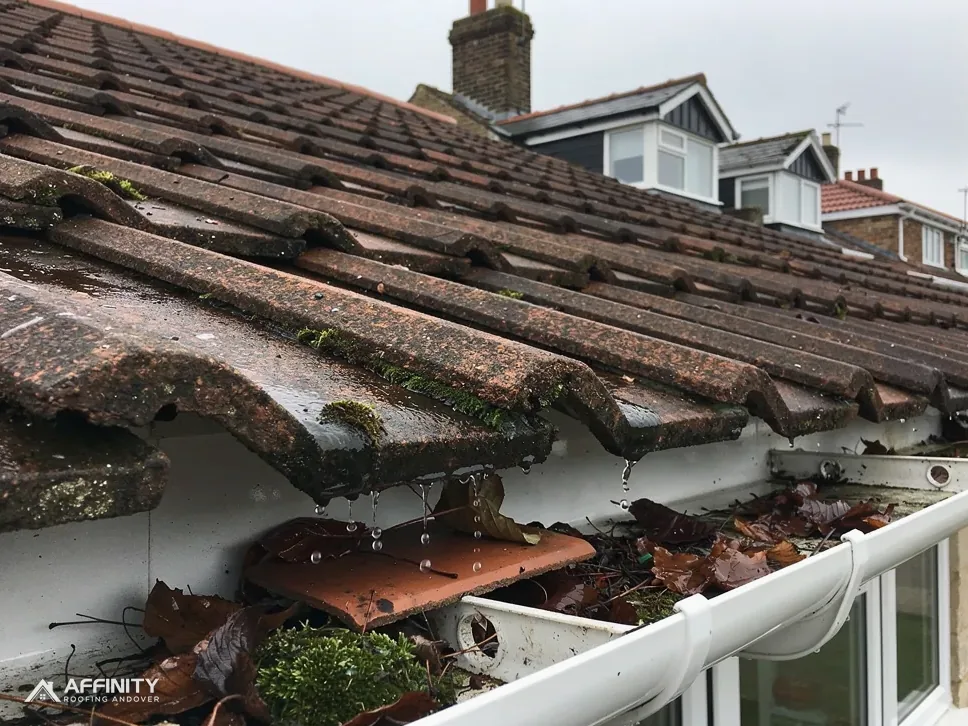
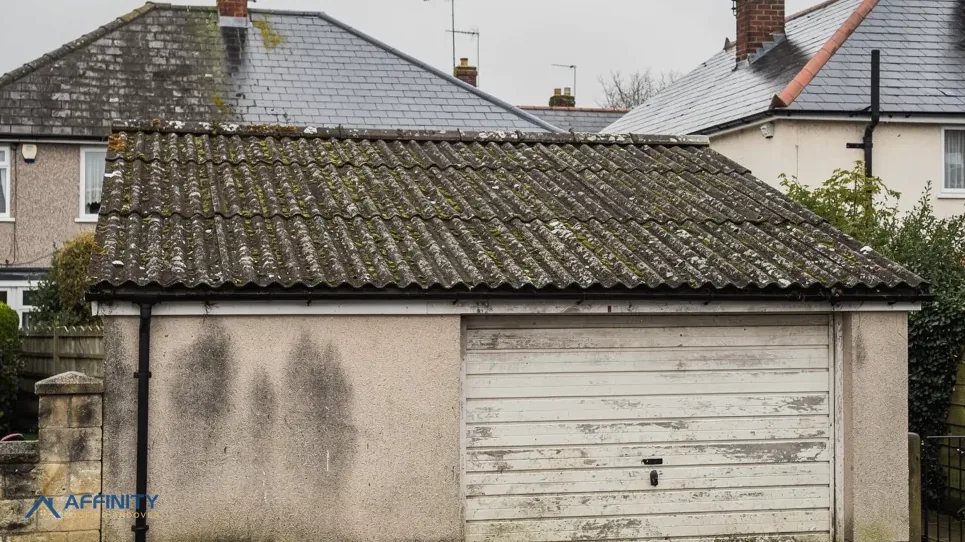
Then there is how much growth there is. A light film of algae can be treated quickly. Thick moss, lichen and years of debris at the valleys and gutters need hand work first, and that slows the day down. If the survey finds cracked tiles, loose ridge mortar or defective flashing, they are dealt with separately, and the cleaning is planned around the repair.
Access can take as long as the treatment. Rigging a ladder system, a tower or a full scaffold, and checking it before anyone works from it, comes before any product touches the tiles. Where a scaffold stands over the road or pavement, the highway authority's licence carries its own notice period, so paperwork can set the date as much as we do.
That is why the survey comes first: with the roof seen in person, the days can be planned in a sensible order.
The method sets the pace
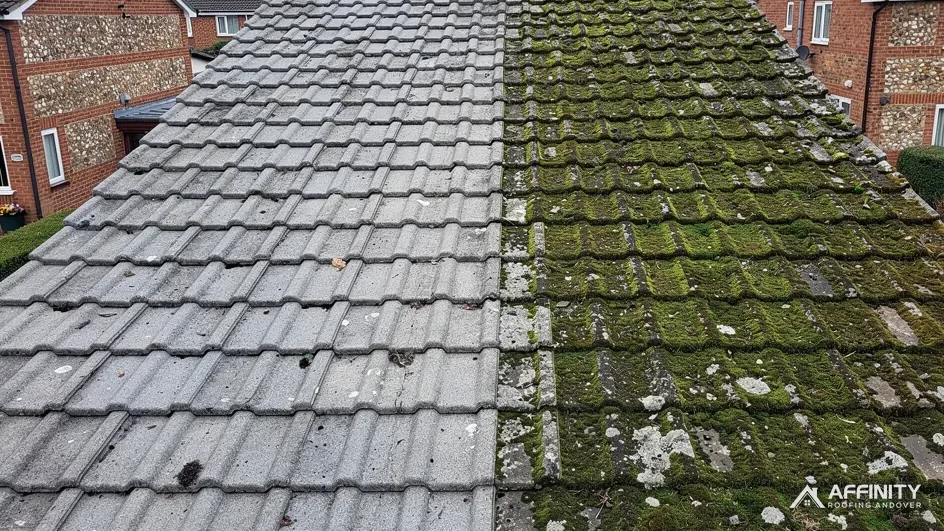
The gentlest approach is also the slowest to show results. Applying a biocide takes little time, with a brush or a gentle spray. After that the product does the work: the growth withers where it sits, loosens, and drains away with rain across the next few weeks. Anyone expecting a bright roof by teatime will be disappointed.
Hand removal of heavy moss is quicker to look at but takes longer on site, and it risks the tile surface if it is rushed. Jet washing is the fast option, but Marley does not recommend it for roof tiles, since it can strip the surface and shorten the tile's life. Speed is never a reason to cut corners.
Drying matters too. Treatments need dry weather around the time of application, so the work is booked against the forecast and may be moved if rain is due. Where access allows, the gutters get cleared during the same visit, and moss and debris leave with us.
Our guide to roof cleaning methods compared sets out each approach and how long its results take to show.
Weather, daylight and the calendar
Roof work is at the mercy of the weather. Wet tiles are slippery and unsafe, strong winds make ladders and towers a risk, and frost on the roof can stop work altogether. A visit that is booked for one day may slide to the next dry, still one.
The time of year changes the pace as well. In short winter days there are fewer working hours, and treatments are not applied when a hard frost or heavy rain is expected. Longer days in spring and summer give more room, and growth is easier to treat while it is active. Our guide to the best time of year to clean a roof goes through the seasons in detail.
A start date is fixed after the survey, once the plan is explained: how many visits are likely, what has to be dry, and what happens if the weather turns. If the job stretches, you hear about it before it happens.
A clean roof that was done carefully is worth waiting for. A hurried one can mean damaged tiles and a quick return of the growth.
Planning your own days
There are a few simple things that help the visit run smoothly. Move cars and garden furniture away from the walls beneath the roof. Tell us about overhanging trees, awkward side gates and any pets. Close windows on the day of treatment, because spray can drift and falling debris can end up in the wrong place.
If you are on a tight schedule, for example before a sale or a family event, tell us at the survey. We cannot control the weather, but we can plan the work in a sequence that gets the safest, most useful tasks done first, such as gutters, valleys and ridge checks.
Please do not be tempted to go up on the roof to speed things along, because it adds risk and rarely saves any time.
Price follows the same logic as timing: it depends on the roof, the access and the growth, so it is fixed after the survey rather than quoted over the phone. You receive one written total, and the roof cleaning and moss removal page outlines the other things that can affect it.