The short answer
Black streaks on fascias are dirt and algae carried down the board by water, and the water usually comes from a gutter that is overflowing, leaking at a joint or fixed at the wrong angle. Cleaning the board takes a soft brush and mild detergent, but unless the gutter fault is put right the streaks return, often within a season.
What the streaks are made of
The black marks are a thin film of dirt, soot, pollen and algae that has settled on the front of the fascia board and been washed into lines. Fascia boards in white or light colours show it most, but darker boards carry the same film, only less visibly. The film clings to a rough or weathered surface far more readily than to a clean, smooth one, which is why older boards streak first.
A clean fascia sheds light rain without staining. The streaks form when water runs down the face of the board repeatedly, carrying that film with it. A vertical stripe below a joint, a bracket or the end of a gutter run is the clearest pattern, and it usually lines up with a specific fault above.
Check the underside of the board and the soffit as well. Streaks that continue under the eaves suggest water is getting behind the gutter, which is a bigger fault than surface dirt.
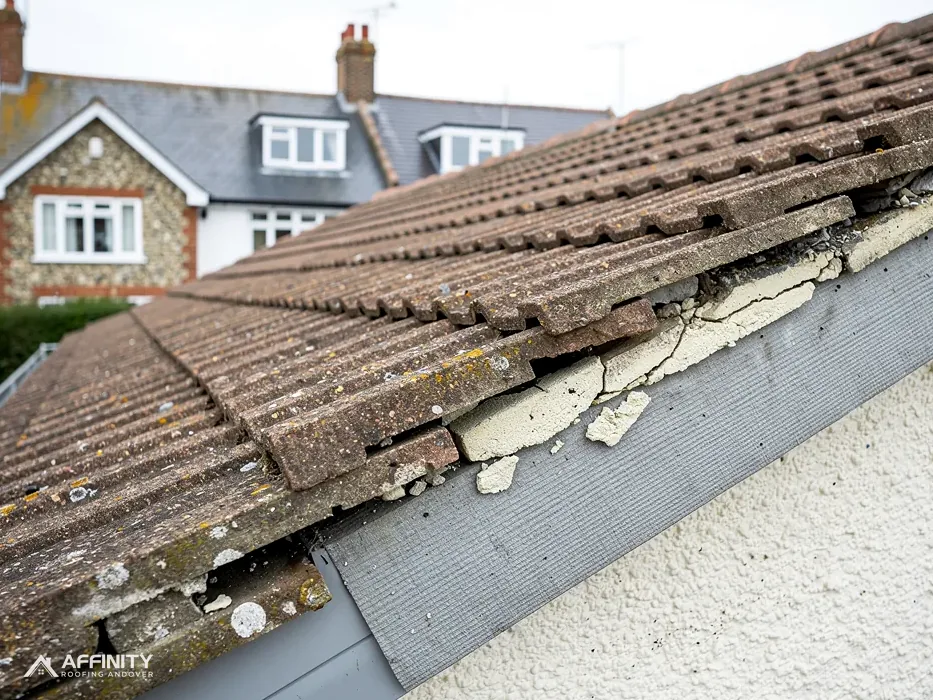
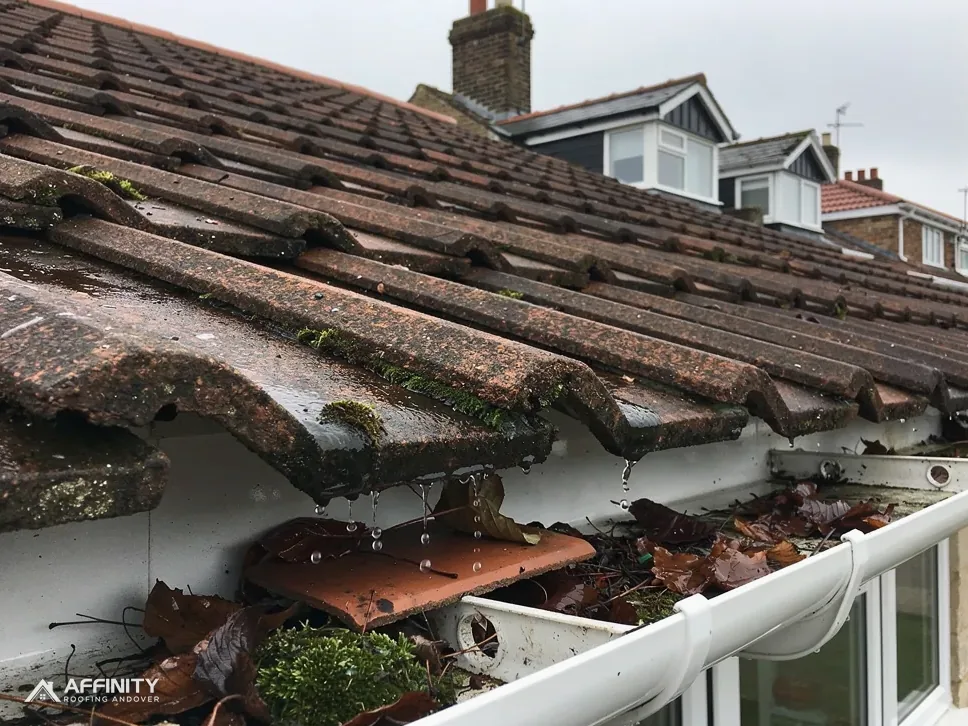
Streaks can also come from the roof itself. Moss, lichen and dirt washed off tiles collect in the gutter and spill over, and sometimes a run of staining sits right under the point where roof water is thrown out. That is a sign the roof edge and gutter are not working together.
Overflow and dirt from the gutter
When a gutter is blocked with leaves and silt, rain cannot reach the downpipe and spills over the front lip instead. It lands on the fascia, washes over it and leaves a dark trail. A gutter that is full only in heavy rain will leave faint streaks, while one that is blocked all year will leave a heavy, permanent stain.
Overflow is not the only route. A joint that has lost its seal drips or runs back along the underside and then down the face of the board. A split in the gutter does the same. In each case the water ends up on the fascia because the gutter is no longer holding it where it should.
Our answer on overflowing gutters explains how to tell a blockage from a fall or capacity problem, and the guide to gutter cleaning covers clearing them safely.
Look at where the streak starts, because the starting point names the fault. If it begins at the top edge, the gutter is spilling. If it begins below a bracket or union, the fault is in the fitting.
Cleaning the board
For the board itself, warm water with a little washing-up liquid and a soft brush or sponge will lift most of the film. Work from the bottom upwards so the dirty water does not run over a clean patch and leave fresh streaks. Rinse with clean water, and let the board dry before judging the result. Stubborn marks may need a second pass rather than harder scrubbing, and a soft cloth gives the final polish.
Keep abrasives and harsh solvents away from uPVC, because scouring pads scratch the glossy surface and make it hold dirt more easily. Do not use professional-only biocides on the board: HSE says members of the public should never use biocidal products that are intended only for professional users.
Cleaning from a ladder against the gutter is risky, since the gutter is not built to take a ladder's weight and the fascia behind it can crack. If you cannot reach the board safely from the ground or a stable platform, leave it for a visit when access is already in place.
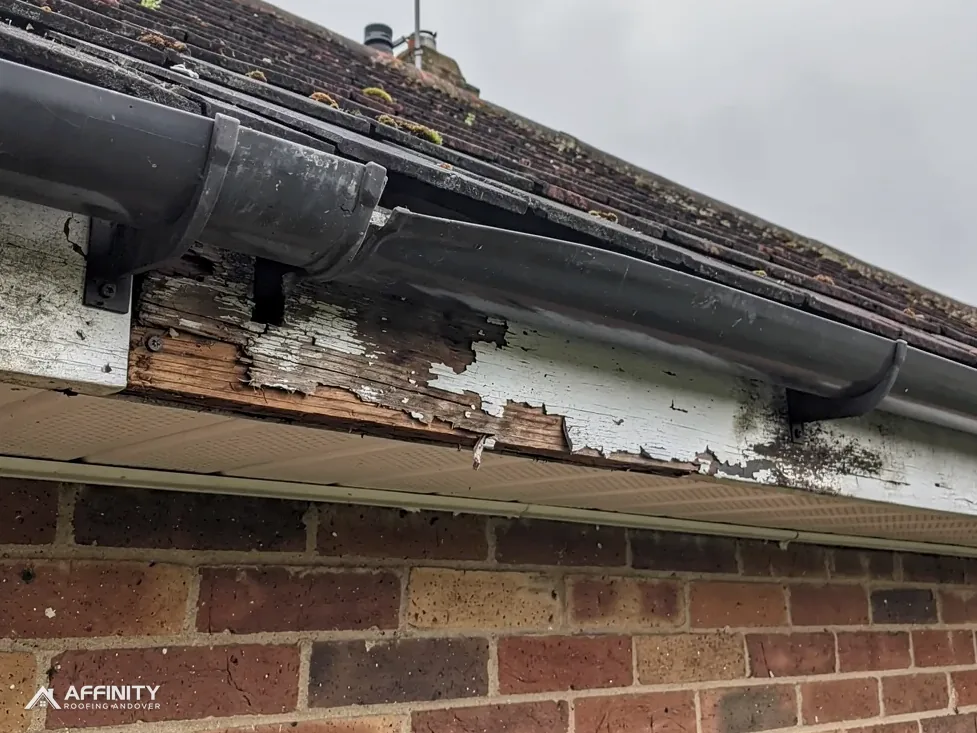
Painted timber fascias that have gone chalky or flaky need rubbing down and repainting after cleaning, and timber with soft patches needs checking for rot.
When it points to a gutter fault
If the streaks return soon after cleaning, treat that as evidence. The gutter is leaking, overflowing or hung at the wrong angle, and repeated washing will not solve it. A gutter that sags or has lost its fall holds standing water, which leaks at the joints and drips over the lip, and the staining follows that line along the board. Our guide to gutter profiles shows which shapes handle more water.
At the survey we trace each streak to its source, photograph the joint, bracket or outlet involved, and tell you whether it needs a reseal, a new union, re-fixing at the correct fall or a replacement run. Often a small repair is all it takes, such as one new union or a re-sealed outlet. Where the fascia itself has gone soft behind the stain, you will see that in the photographs as well.
If you would like the whole roofline looked at together, the guttering, soffits and fascias page explains how we survey and put things right.