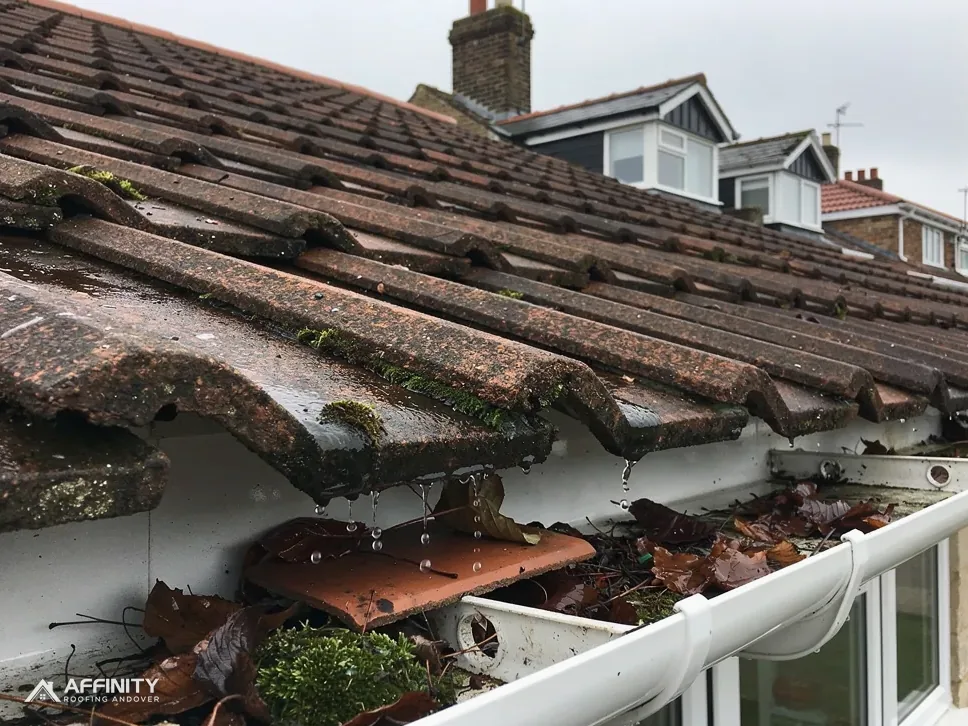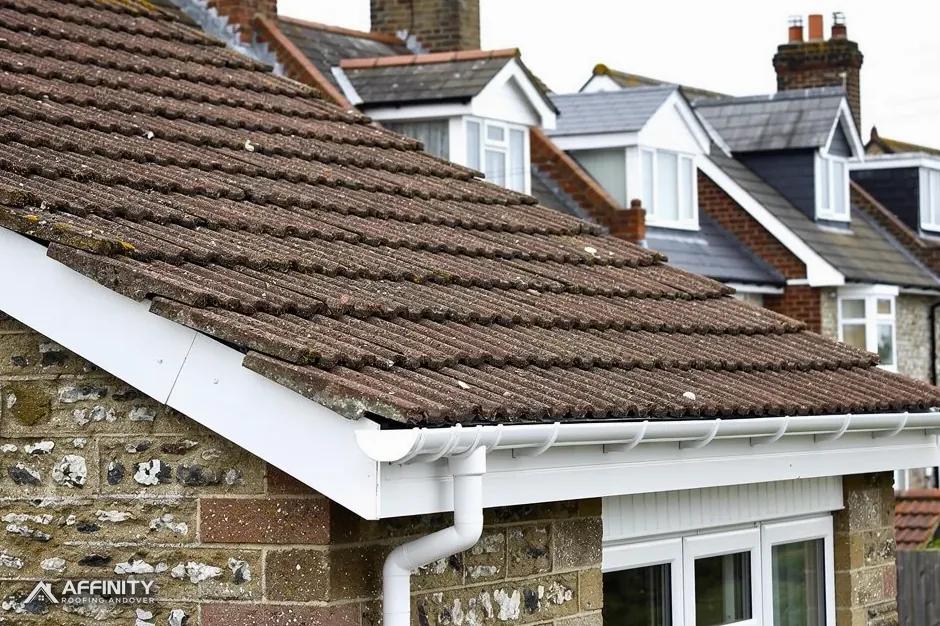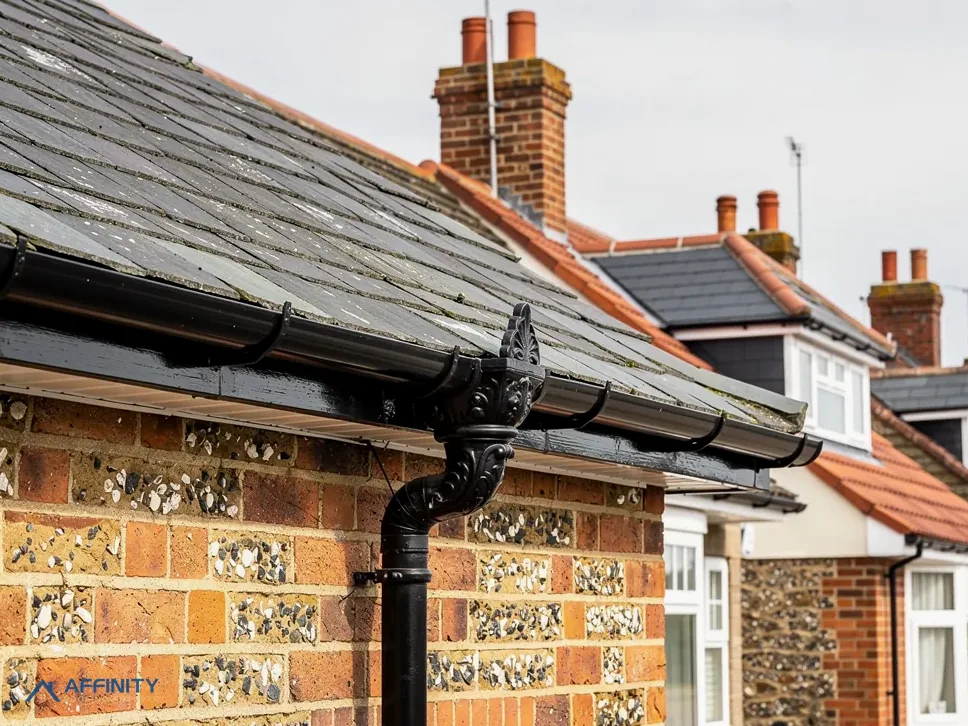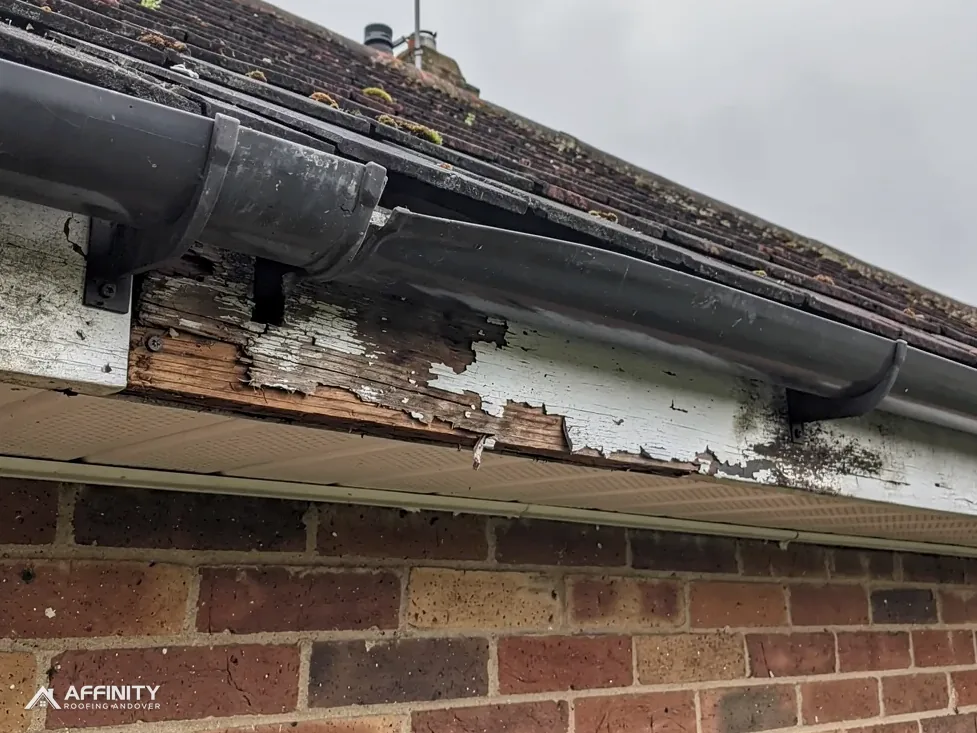
Choosing new gutters, owners tend to pick a colour and assume the rest is standard. In fact the cross-section matters just as much. A gutter is a channel, and a channel's shape governs how much water it holds, how fast the water moves to the outlet, how easily it clogs and how it looks from the road.
Four profiles cover the bulk of domestic work: half-round, square, ogee and deep-flow. Half-round is the classic curve. Square is a box with flat sides and a flat bottom. Ogee has an S-shaped front face that echoes a moulded cornice. Deep-flow is a deeper, wider channel made to carry more water than the others. Each comes in plastic, and several come in aluminium or cast iron too.
The best choice depends on the roof as much as on taste. A small porch roof and a large barn roof do not need the same channel, and an old house with a plain brick front does not suit the same detail as a modern one. This guide takes the profiles in turn and explains the fall that sets how well any of them drains. Our guttering, soffits and fascias hub covers the rest.
Half-round: the default curve
Half-round is the shape that comes to mind when a gutter is mentioned, and for ordinary roofs it remains the sensible starting point.
Shape and flow
The cross-section is a semicircle. Rain settles in the lowest point of the curve and runs along it to the outlet. The smooth interior sheds debris better than a flat-bottomed channel, so leaves wash through rather than lodging in corners. It holds a reasonable volume for its width, and it is straightforward to clean with a scoop because there are no corners to dig into. Cleaning is therefore quicker and less likely to damage the channel.
Where it suits
It suits plain domestic roofs: terraced and semi-detached houses, bungalows, extensions, garages and outbuildings. It looks right on most buildings and suits almost any fascia. It is also the most widely stocked profile, which makes replacement parts easy to find years later.
Where it struggles
On a large roof or a long run, half-round can fill in a heavy shower. A single outlet at the far end of a long gutter may not be enough. If the roof area is big, extra outlets, a larger size or a different profile may be needed. Our guide to downpipe replacement explains how sizing relates to the pipes.
Finish and materials
Half-round comes in plastic, aluminium, cast iron and cast aluminium that copies the iron look. The curved profile is the traditional shape on older houses and on listed buildings, where it is often the closest match to what was there before.
Square: sharp lines and extra volume
Square gutters have a flat bottom and straight vertical sides. They have a more modern look and a bit more usable volume for a given width.
Shape and flow
Because the bottom is flat, water spreads across it before finding the outlet, and silt and small debris lie on the floor of the channel, not in a central trough. In a clean gutter that is no disadvantage, but debris stays put more readily and a poorly kept square gutter collects more.
Where it suits
Square sits well on modern houses, flat-fronted extensions and buildings with straight-lined fascias, where a curve looks out of place. It is common on newer builds and on commercial buildings with box-section roof edges, and it pairs well with flat fascia boards that have a hard, square edge for the brackets to fix to. In Andover and the surrounding villages, it is as likely to appear on a recent extension as on a new-build estate house.
Matching the existing
If a house already has square gutters, replacing them with half-round changes the look and may need new brackets or a different fascia fixing. Check whether the style is part of the building's character, especially in a conservation area.
Fall and fit
The flat bottom means that any dip in the run shows as standing water more clearly than in a curve. The gutter must be set to a consistent fall. Our answer on gutter fall explains how to set it. Square profiles do best where the fascia is straight and sound.
Ogee: the moulded front
Ogee is a decorative profile with an S-shaped curve on the outer face, copying the shape of a cornice moulding.
Shape and flow
Inside, the channel has a flat or slightly curved base, much like a square gutter, but the outer face rises in a double curve. The front is built up slightly, which can give a little more depth. The ogee shape is chiefly about appearance, and its capacity is similar to a square gutter of comparable size.
Where it suits
Ogee is common on Victorian and Edwardian houses and on buildings where the guttering is meant to look like part of the cornice. It is often chosen in cast iron or cast aluminium for period homes, and in plastic for houses that want the detail at a lower cost. It sits comfortably on a fascia with a moulded face.
Limits
The shaped front can collect dirt in its curves, and painted cast iron needs repainting. The profile suits houses with some architectural detail, and looks odd on a plain modern wall.
Consents and conservation
On a listed building, a change of gutter profile may need consent, and the same applies in a conservation area where an Article 4 direction removes rights. Check with Test Valley Borough Council's planning team before changing a visible profile. Our guide to cast iron guttering explains the period options.
Deep-flow: more water in the same width
Deep-flow gutters exist for roofs that shed more water than a standard gutter can carry.
Shape and flow
A deep-flow gutter has a deeper, often wider channel, usually with a rounded or D-shaped section, so it holds more water before it overflows. A bigger channel also moves water faster to the outlet, because there is more cross-section for the flow. Manufacturers publish capacity figures for their own products, which an installer should use.
Where it suits
Large roofs with a lot of surface area: big detached houses, barns, workshops, schools, village halls and commercial units. Also roofs with a steep pitch, which shed water faster, and roofs where a valley or a dormer sends extra flow into one stretch of gutter. In the Test Valley villages, where farm buildings and large outbuildings are common, deep-flow is often the right match.
Pairing with the downpipes
A big gutter is only useful if the outlet and pipe can take what it delivers. A deep-flow run needs outlets and pipes sized to match, and often more of them. BS EN 12056-3:2000 covers roof drainage layout and calculation, and it is the basis for working out how many outlets a roof needs.
The look
Deep-flow is more conspicuous than half-round, and on a small house it can look oversized. The appearance matters less on an outbuilding than on a front elevation. Where the choice is between a big gutter and a neat one, a second outlet is sometimes the better solution.
Big roofs: choosing capacity
The profile that looks right on a bungalow is the wrong one for a barn, and picking by eye is a mistake on large roofs.
Why area matters
Rain falls on the whole roof, but the gutter at the edge collects it all. Every extra square metre of roof draining to one length of gutter adds to the load in a downpour, so a long, wide roof draining to one side can overload an ordinary gutter even when it is perfectly clear.
How to size it
The process works from the roof area draining to each outlet and the rainfall intensity the system is designed for, and compares that with the capacity of the gutter and pipe. Manufacturers publish tables for their products. A competent installer works from the tables, not from guesswork. Where a roof has been extended or had a dormer added, the existing gutter may no longer match it.
Practical options
Larger profile, more outlets, or both. Deep-flow with outlets at both ends of a long run is a typical arrangement. Where a roof has a hip or valley that concentrates flow, a bigger gutter at that point helps. Our guide to gutter replacement cost shows what the published figures cover.
Cost and scale
Larger profiles and more outlets cost more, and the written quote after a survey will show the effect. A large building may need scaffold too, and scaffold over a public footway takes a highway licence, from Hampshire County Council in the Andover area.
Get the size right once and the gutters will cope for the life of the roof.
The fall, the brackets and the finish
The best profile fails if it is fitted badly. Three details decide whether any gutter works.
The fall
A gutter has to slope gently towards the outlet, or water will stand in it. Brett Martin gives a guide of 1mm for every 600mm of run. That is a very small slope, which is why a sag between brackets shows up so readily as a pool. Set the fall in the first bracket and the last, and check the line before fixing the rest. BS EN 12056-3:2000 is listed as the current European Standard for roof drainage design.
The brackets
Brackets must be fixed at suitable intervals to sound timber, and they must carry the weight of the gutter when full. Too few brackets let the channel sag between them. Our answer on gutter bracket spacing covers the point in detail. Brackets screwed into soft fascias soon pull out, so check the timber first.
The joints and the ends
Joints should be sealed with the manufacturer's seals, and the ends stopped with matching stop ends. Outlets sit at the low points. Cutting a hole for an outlet needs a clean, accurate cut.
Material and finish
Plastic is light and lower in cost. Aluminium is strong and lasts. Cast iron is heavy and traditional. Seamless aluminium gutters are formed on site in a single length, with no joints along the run. Our answer on seamless guttering explains what that means. The choice affects the weight on the fascia and the price.