The short answer
Neither is better everywhere. uPVC is the usual choice for modern houses: it is light, comes in a few standard colours and is easy to replace in sections. Aluminium costs more, holds a crisper line and suits period homes where a plastic gutter looks wrong. Either one only performs if the fall, the brackets and the joints are right.
Look and finish
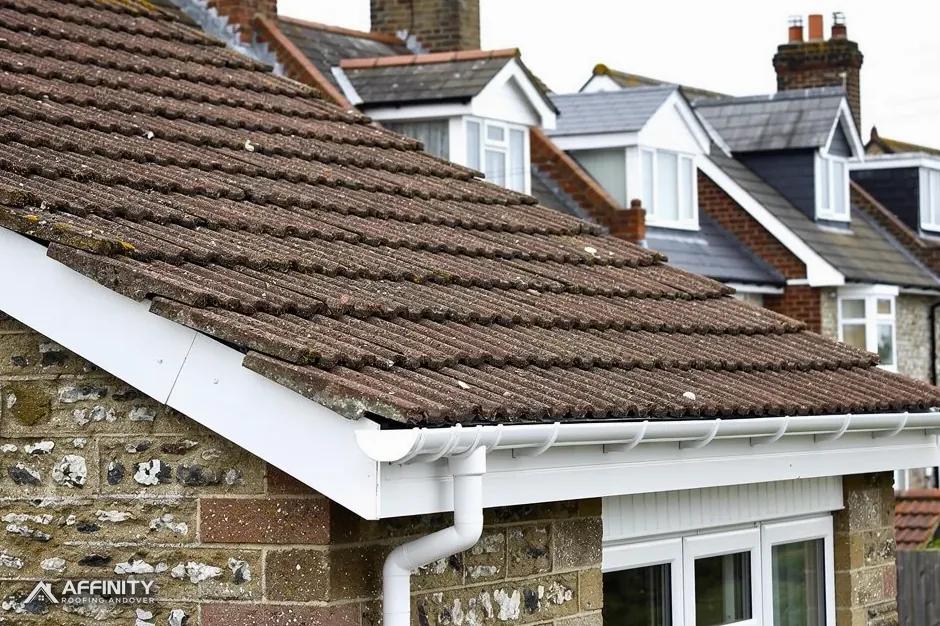
uPVC is the plastic that clads the roofline of most modern houses. It arrives in black, white, brown and grey, and the colour runs right through the material, so a scratch does not show bare metal. The downside is the look: the profile is moulded, the surface is glossy, and on an older brick or flint house it can read as an afterthought.
Aluminium is pressed or rolled from sheet and takes a factory powder coat in a wide choice of colours. The edges are sharper and the finish is flatter, which is why it is often chosen for period homes and for houses where the gutter line is part of the design. Cast iron is the traditional answer, and our guide to cast iron guttering explains why some owners stay with it.
If your house sits in a conservation area, the look carries extra weight. Basingstoke and Deane's Article 4 wording for four of its town conservation areas names guttering, so owners there should ask the council before changing the material. Elsewhere, check with your own planning authority whether an Article 4 direction applies to your address.
Joints, movement and leaks
Gutter leaks can start at a joint rather than in the length of the run, so it helps to understand how each material handles them. uPVC lengths push into union brackets fitted with a rubber seal. Plastic expands and contracts with temperature, and a gutter that has been pushed fully home with no allowance for that movement will weep at the union on the first hot day or cold snap.
Aluminium moves less, but it is usually joined with sealant and small rivets or clips, and that sealant is the weak point as it ages. A well-made aluminium run can be formed in long lengths on site, which cuts the number of joints altogether, and our answer on seamless guttering covers that method.
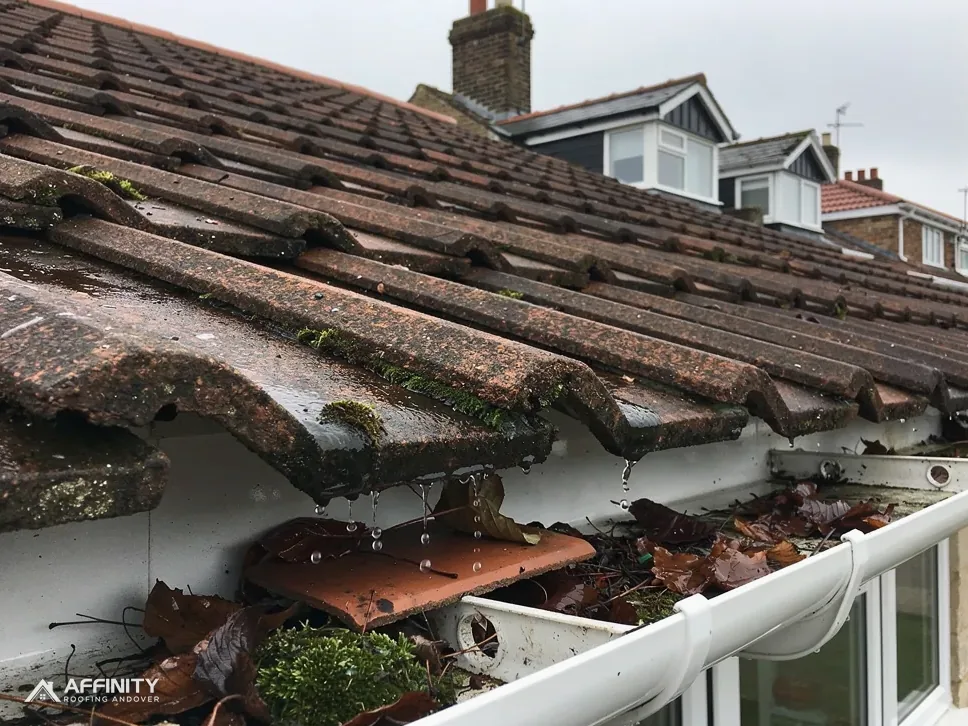
Neither material forgives a gutter that has dropped out of line. A sagging run ponds water at the low point, the joint sits under that water, and any seal will eventually give way. That is a fixing problem rather than a material problem, and swapping plastic for metal will not cure it. A leaking joint on an otherwise sound gutter is usually a repair, not a reason to replace the whole run.
Lifespan, upkeep and cost
We would not put a fixed number of years on either material, and you should be wary of any quote that does. What we see on roofs is a pattern. Sunlight makes old uPVC brittle and chalky, which is usually the cue to replace it, while aluminium tends to fail at its joints and brackets before the metal itself gives up. Both outlast a badly fitted run of the other.
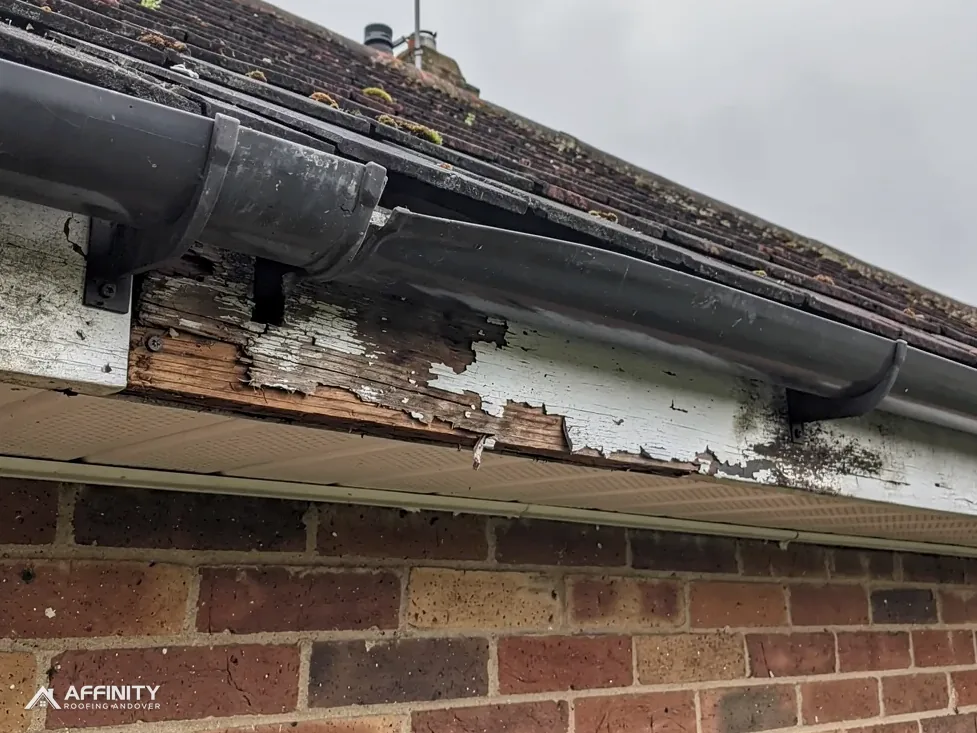
Upkeep is similar for both: clear the leaves and moss at least once a year, check the joints after a hard frost, and look for staining on the fascia behind, which tells you where water is escaping.
On price, MyJobQuote (Oct 2026) puts a typical UK range for gutter replacement at around £1,000 to £1,600 for a house, with rows for the different materials on the same page. The size of the house, the number of corners and downpipes, and whether the fascia behind needs work all move the total.
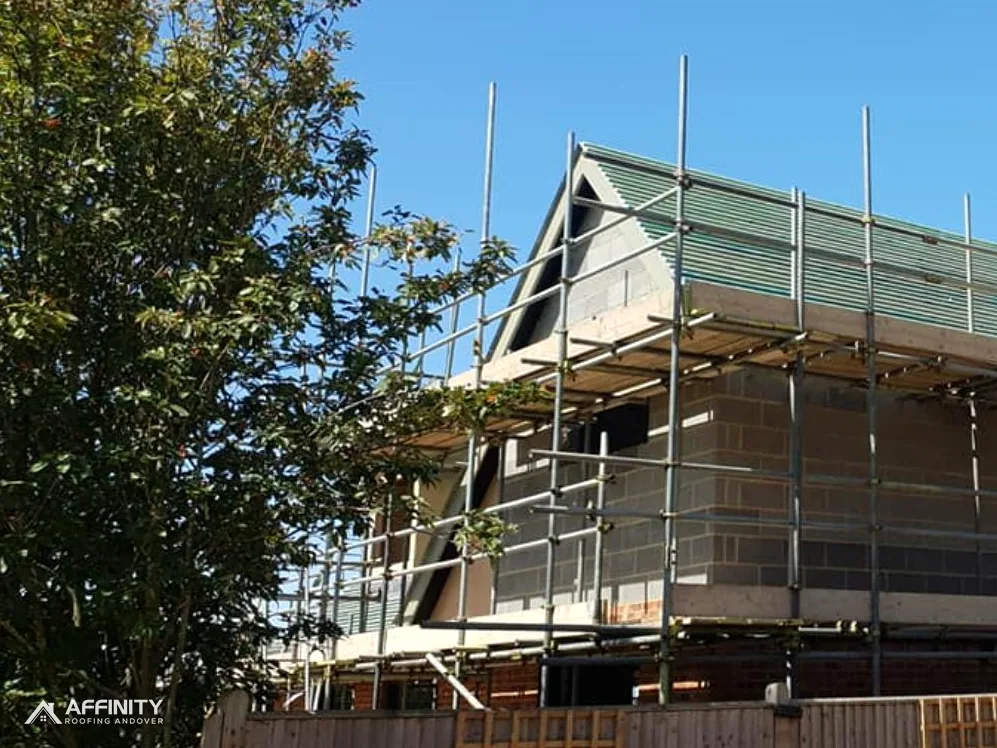
Access is the other swing factor. A two-storey house needs a scaffold tower or full scaffold to do the job safely, and a quote should say whether that is included. The written price follows a survey, when we can see how many metres and corners are involved.
Which one for your house
On a standard modern semi or detached house, uPVC is a sensible, easy-to-maintain choice, and a damaged section can be replaced without touching the rest. Where the budget allows and the house has character, aluminium repays the extra with a cleaner line and a colour matched to the windows and doors.
Period houses, listed buildings and some conservation-area homes often call for a specific profile and material, so the choice may be made for you. A listed building needs listed building consent for works that change its character, and replacing gutters in a different material can fall under that. Ask the council's conservation team before ordering anything, and keep the reply in writing, because a wrong guess here is expensive to undo once the new run is up.
Whatever you choose, ask what is going on behind it. New gutters fixed to soft fascia boards will not last, and our guide to gutter profiles helps you match the shape to the roof's rainfall load. The guttering, soffits and fascias page covers the whole roofline and how a survey checks it from end to end.