The short answer
A rattling dry verge usually means a unit or its fixing has loosened. Wind catches the free edge of the roof, and a cloak that is not held tight, a clip that has lost its grip or a lifted cap starts to knock and buzz. It is more than noise, because a loose unit can lift and break off. Check from the ground, then repair with the right fixings.
Why the verge makes a noise
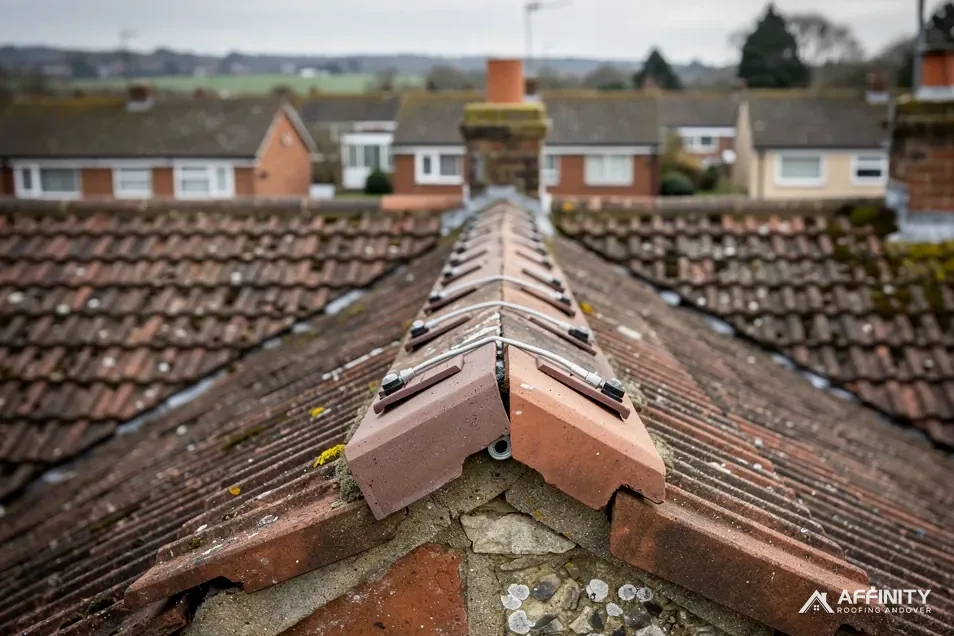
A dry verge is a run of units fixed along the edge beside a gable wall. They are held by clips and screws into a timber cleat or batten, and by a small overlap between neighbouring units. When all of that is tight, the verge is silent. When something loosens, the wind sets it moving.
Wind is stronger at the gable edge than across the field of the roof, because the air is forced round the corner and lifts at the free edge. Any slack there shows up as a rattle, a buzz or a tapping, which can be heard indoors on a gusty night.
The sound has a pattern. A regular knock that follows gusts points to a loose unit. A high buzz suggests a thin edge or a lifted cap vibrating. A rattle in one place only usually means a single loose clip or a split unit.
It also helps to rule out other sources. A loose gutter, a bargeboard, a TV aerial bracket or a satellite dish can make a similar sound on a gable wall. Looking from the garden, you can often see which part is moving.
Loose clips, worn fixings and lifted caps
One cause is a clip that has lost its grip. Clips hold the unit to the batten or to its neighbour, and plastic clips can fatigue after years of wind and temperature swings. A screw can back out slightly or work loose in timber that has shrunk.
A second cause is the timber itself. If the cleat or batten has rotted or split, the fixings have nothing to bite into, and no amount of tightening will hold. That is a repair to the timber, not only the verge.
A third is a lifted cap or end piece. These sit on top of the units, and if the fixing has failed, the cap flaps. Missing end caps leave an open end that wind can enter. Our answer on verge end caps explains what they are.
A fourth is poor fitting in the first place. A system fixed with the wrong length of screw, or at too wide a spacing, may never have been secure. The maker's data sheet gives the right fixings, and BS 8612:2018 is the standard the system is tested to.
Age matters less than fit. A well-fixed verge can be quiet for decades, and a badly fixed one can rattle in the first winter.
What to do now
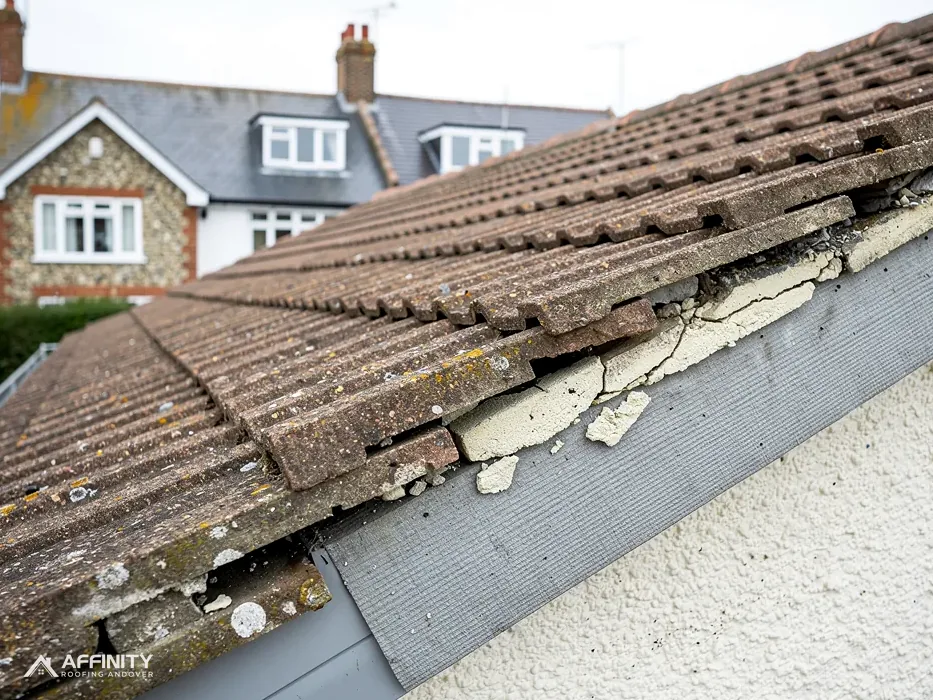
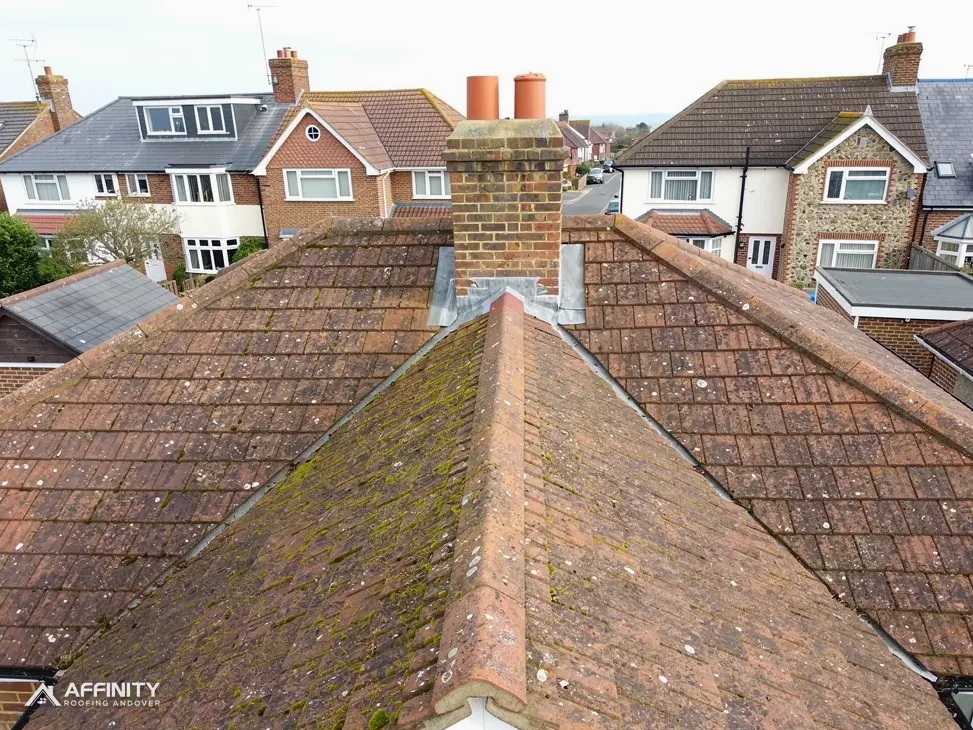
Look from the ground. Step back from the gable end with binoculars or a phone with a good zoom, and look for a unit that sits out of line, a gap between units, a missing cap or a dark patch where water has been getting in. Photograph what you see.
Do not go up a ladder to tighten a screw. The edge of a gable roof is a dangerous place to stand, and the ladder is hard to secure against the overhang. A unit that comes away in your hand can pull you off balance.
If you can hear the rattle, tell us when it happens and how loud it is. Gusty nights and the direction of the wind are useful details.
A loose unit can lift in a storm and land on a car or path. If you can see one moving, keep the path and any cars beneath clear and let us know. A temporary refix may be possible straight away, and a proper repair follows.
Rattling that is ignored tends to get worse, because the movement wears the fixings and the timber.
Making the verge secure
A repair starts with a survey of the whole verge, not only the noisy unit. We check each unit and clip, the cleat or batten, the cloak joints and the end caps, and we photograph what we find.
The usual repair is to refix loose units with the correct clips and screws, replace broken or fatigued parts, and renew any cap that has failed. Where the batten or cleat has rotted, it is replaced first so the fixings have something sound to hold.
If many units have loosened, or the system was never fitted to the maker's data sheet, it may be sounder to strip the verge and refit it properly. That costs more than a patch, and we tell you when it is the only answer that will last.
MyJobQuote's October 2026 guide lists a dry verge at £500 to £2,000 as a typical UK range. A repair is a fraction of that, and the price for your verge is given in writing after the survey. Our guide to verge tile repair covers the mortar route, and the dry ridge and verge hub covers dry systems.