A liquid roof coating is what it sounds like. A fluid is rolled, brushed or sprayed onto an existing roof, where it dries or cures into one continuous skin. There are no laps to leak and no sheets to lift. The roof stays in place and the old covering becomes the base for the new one.
That is an attractive idea for the owner of a commercial building, because stripping a roof is noisy, dusty and disruptive, and it produces a skip of waste. Coatings are used on felt, on metal sheeting, on fibre cement and on some single-ply and concrete roofs. A well-chosen, well-applied coating can add years to a roof for far less upheaval than a replacement.
The catch is that a coating is only as good as what lies beneath it. It sticks to what it is put on, it follows its movement and it cannot hold up a roof whose structure has failed. Applied over wet insulation or a rotting deck, it seals the problem in. This guide explains where coatings suit, how the roof is prepared, how the work is done and how to tell whether your roof is a candidate.
What a liquid coating is and how it behaves
Liquid coatings come in several chemistries, and each has its own strengths. Some are acrylic, based on water. Some are polyurethane or polymer-modified products that cure to a tough, flexible skin. Others are bitumen-based or silicone-based. The differences matter for how long they last, how much movement they tolerate and what they will stick to, so the product is chosen to suit the roof, not the other way round.
Reinforced and unreinforced systems
In many systems the liquid is laid in two or more coats, with a reinforcing fleece or mesh bedded into the first so that the cured skin resists tearing. Details such as laps, upstands and rooflight surrounds usually get the reinforcement. Open areas of a roof in good condition may need only the coats of liquid.
Jointless, but not magic
A coating leaves no laps, which is its main advantage. Water has no seam to creep along, and there are fewer edges for wind to catch. It also copes with awkward shapes better than a sheet product. But the skin is thin compared with a membrane, so it is more vulnerable to damage from dropped tools, foot traffic and sharp debris. It is less forgiving of poor preparation, and weather during application can ruin it.
Where it belongs among the options
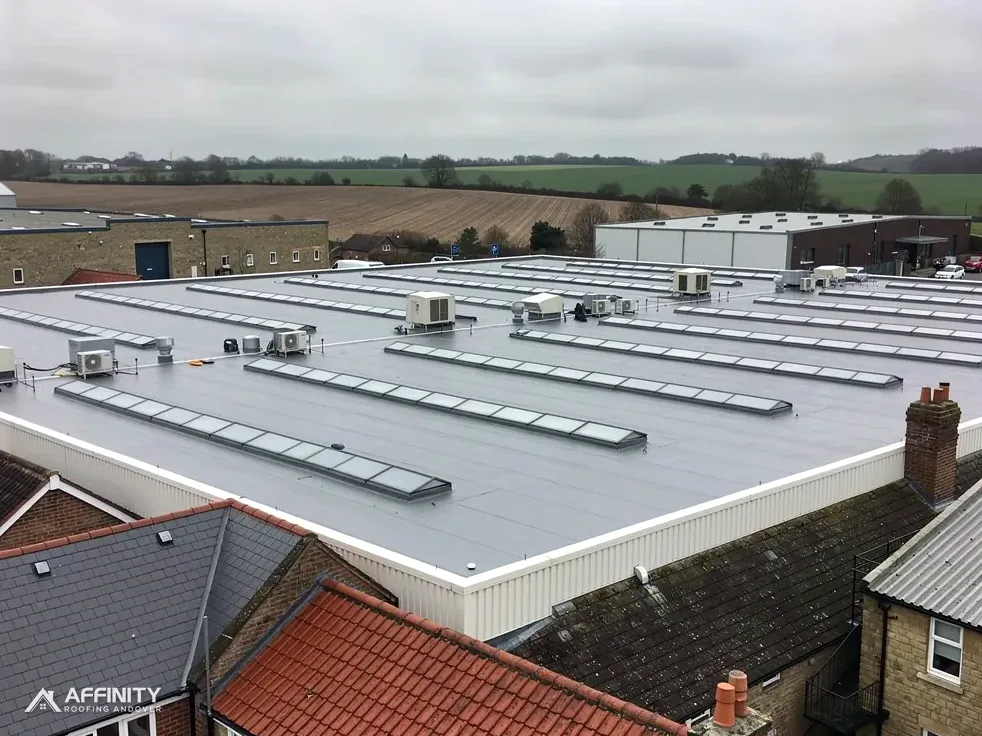
On a commercial roof, liquid coating sits beside the other major systems. Built-up felt and single-ply membranes are laid as sheets. A coating is applied wet and cures in place. Our commercial roofing page sets out the choices side by side.
Where a coating suits
A coating is a good answer when the roof is basically sound and the covering is simply worn.
Weathered but watertight roofs
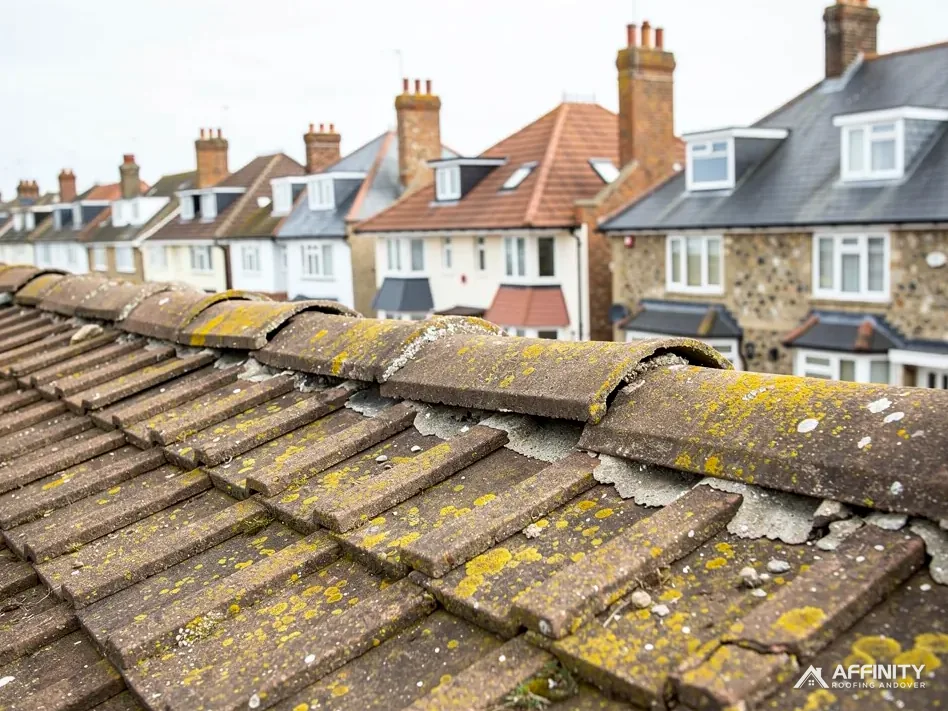
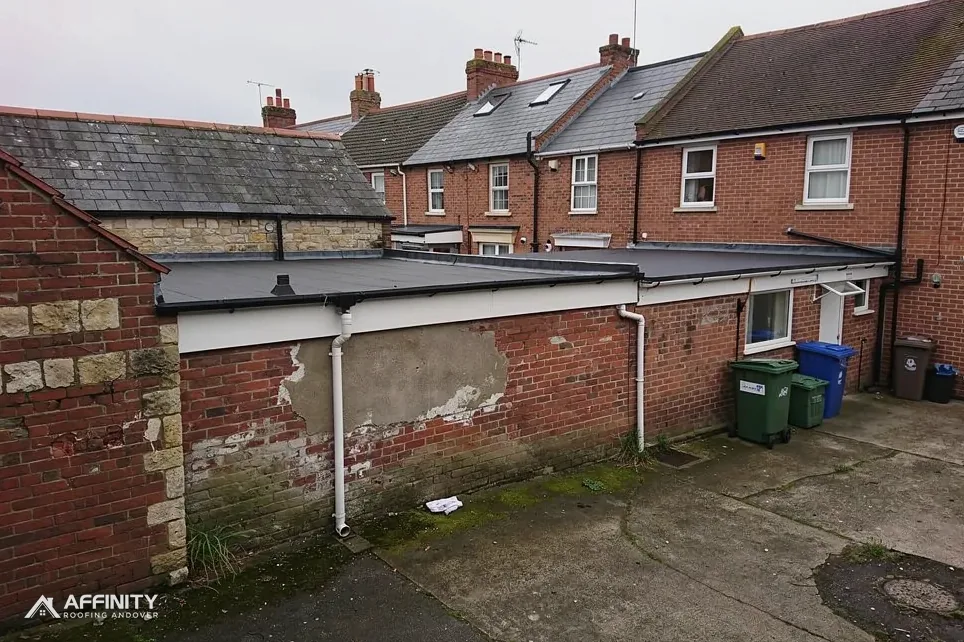
A felt roof with a crazed or bare surface, but no wet insulation and no open splits, is a classic candidate. The coating renews the weathering face and seals hairline cracks. The same is true of metal sheeting whose factory coating has faded but whose steel is still sound, though the cut edges and fixings need treating before anything goes over them. How much steel is left under the paint is the test, and a survey finds it.
Complex shapes
Roofs with many penetrations, curved sections, awkward upstands or irregular outlines are hard to cover with sheet material, where every cut is a joint. A liquid system wraps around obstacles without laps.
Occupied buildings
Because the old roof stays in place, there is less noise, less dust and no open roof exposed to rain during the work. For a unit that cannot shut, a hospital, a school or a food factory, that is a real advantage. Many coatings are cold-applied, with no naked flame, which suits sites where hot work is a worry.
A planned life extension
Where a replacement is a few years off and the budget is not ready, a coating can bridge the gap. It is not a permanent substitute for replacement, and it should be planned as one stage in the roof's life, not as the end of the story.
Where it does not suit
If the roof leaks because the structure beneath has failed, a coating will not help. The next section explains why.
Preparation decides the result
Most coating failures trace back to what happened before the first coat went on. Preparation is a large part of the job.
Survey and moisture checks
We begin by finding out what is under the surface. Test cuts and moisture readings show whether the insulation is dry. Wet insulation under a coating cannot dry out, and it will blister the skin from below as it warms. Any wet insulation is cut out and replaced before coating starts.
Cleaning
The surface is cleaned of dirt, algae, moss, oil and loose material. A coating bonds to a clean surface and only to that. Marley does not recommend jet washing for tiles, and on a flat roof we avoid anything that forces water under laps or into open seams. Cleaning methods are chosen to suit the existing covering.
Repair and detail work
Splits, blisters, failed laps and open joints are repaired. Loose flashing is secured and defective upstands are rebuilt. Rusting metal is brushed, treated and primed. Outlets are cleared and, where necessary, replaced. These repairs are not extras. A coating applied over unrepaired defects only hides them for a season.
Primer and compatibility
Some surfaces need a primer for the coating to grip, and some products do not suit some substrates. The product data sheet states what it can be applied to, and we follow it. On older roofs we test a small patch for adhesion before committing the whole roof.
Skip any of these steps and the coating peels, blisters or leaks. Done properly, the roof is ready to take it.
When a coating is not the fix
There are roofs where coating is the wrong decision, and being honest about those saves money.
Wet or failed insulation
If the insulation beneath the covering is saturated across a large area, the roof has outlived its build-up. Coating the top does nothing for the layer below, and the moisture it holds will break the new skin from underneath. The sound answer is to strip to the deck and rebuild.
A deck that has failed
Timber deck boards that have rotted, plywood that has delaminated or metal decking that has corroded through cannot be rescued by a surface treatment. A coating spans small movement but not a missing structure. Structural repair has to come first.
Ponding and poor falls
Persistent standing water shortens the life of any coating and shows a problem with the fall or the drainage. BS 6229:2025 keeps a minimum finished fall of 1:80 on roofs of this type, and IKO advises designing for 1:40. A roof that ponds seriously is not corrected by a coat of liquid. Falls have to be improved, or the drainage altered, and a coating then goes on a roof that sheds water.
Covering past saving
Felt that has split right across and lost its bond, or sheets that have become brittle, cannot carry a new skin. The coating cannot be better than its base.
Asbestos cement sheeting
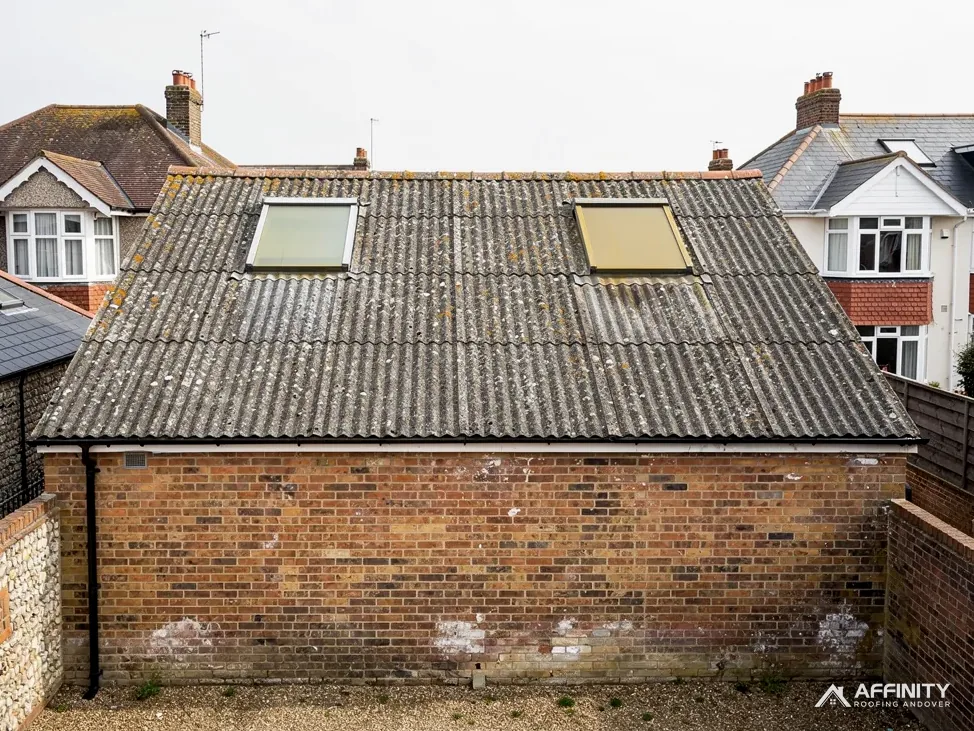
Coating old fibre-cement or asbestos cement roofs raises its own questions, since walking and working on them is hazardous. Those roofs are surveyed for asbestos first, and the plan allows for fragility.
In every one of these cases, we show you the evidence and recommend the alternative.
Application, weather and curing
Even a perfectly prepared roof can be spoiled on the day if the conditions are wrong.
Weather windows
Coatings need a dry surface and, usually, a dry spell afterwards while they cure. Rain on wet coating can wash it out or leave it cloudy and weak. Temperature matters as well, since many products have limits on how cold or how hot the surface may be when they are applied. We watch the forecast and the roof, and we will stop and cover up if conditions change. That sometimes means a job takes longer than planned. A coating laid in poor conditions is a roof that fails early.
Coats and thickness
The system is built up in the coats the manufacturer specifies, with the right amount of material per area. Thin spots are weak spots, so coverage is checked as the work proceeds. Reinforcement is bedded into the wet material at laps, junctions and any area of movement.
Details
Upstands, penetrations and rooflight kerbs are finished with reinforced coatings or with proprietary flashing pieces bonded into the system. These are places where coated roofs can fail early, so we do them with the same care as the open roof.
Curing and protection
A coating may be walkable in hours but is not fully cured for longer. Keep foot traffic off until the product allows it, and afterward limit it to maintenance with walkways where needed. Tell your tenants and plant engineers.
Each stage is recorded in photographs, so you see what went under the final coat.
Lifespan, upkeep and the quote
How long does a coating last? Published figures for coatings vary between products, and they come from manufacturers, so they carry an interest. Keep warranty and lifespan apart: a warranty names a period and the conditions that attach to it, while a lifespan describes how long the material actually performs, which turns on the base roof, the preparation, the weather and how the roof is used. We ask for the product data sheet and show you the manufacturer's stated range, with the caveat that it is a range and not a promise.
Looking after a coated roof
Coatings do best on roofs that are kept clean and clear. Gutters and outlets are cleared, debris removed and foot traffic limited. An inspection after the first winter and at intervals thereafter picks up damage while it is small, and a small patch of coating is a cheap repair. Our guide to planned commercial roof maintenance shows how that works.
What drives the cost
Roof area counts, but so do the preparation and repair the surface demands, how many details there are, which coating system is chosen, how we reach the roof and how the building is used. Preparation is a large variable, which is why a figure before the survey would be a guess. Our written quote then arrives as a single total for the whole job.
Choosing between systems
If the survey finds that a coating is a sound option, we explain what it will and will not do. If it finds a better route, we say that instead. Photos of the roof surface and a location are enough to start a survey.