Most commercial roof problems begin small. A blocked outlet lets a patch of water stand, a lap lifts at one corner, a flashing loosens after a gale. None of that shows from the car park, and none of it is noticed from inside until a stain appears on a ceiling tile or a pallet gets wet.
Planned maintenance is the habit of catching those faults early. It means a regular visit to the roof, by someone who knows what they are looking at, followed by a short written account of what was found and what was done. For a landlord with several units, a managing agent or an in-house facilities team, it also produces something useful when a tenant asks about the roof, an insurer asks about condition or a buyer's surveyor wants to see a history.
This guide covers how often to look, what to look for on the roof and at its drainage, how to keep records that mean something, and the legal points that arrive with any work on a commercial roof: construction duties, asbestos and fragile surfaces. It describes how we run a planned visit and what you should expect to receive, whoever you appoint.
Choosing an inspection rhythm
There is no single interval that suits every building. The rhythm depends on what the roof is made of, how old it is, what stands around it and what the building holds. A roof that serves a cold store or a data room can tolerate far less water than one over an empty shell, so the interval shortens as the consequence of a leak grows.
Fixed points in the year
Two visits tie naturally to the seasons. One follows autumn leaf fall, when gutters and outlets have taken their annual load and winter weather is about to arrive. The other comes in spring, when the roof has been through the worst of the frost and wet, and any damage can be repaired before summer. Between those, a check after a severe storm is sensible, because wind lifts sheets and flashings in a way that rain alone does not.
Shorter intervals for older roofs
An older roof, or one with a history of leaks, deserves closer attention. A roof close to the limit of its useful life may need more frequent attention until its replacement, so that small faults are patched rather than left to grow. Our answer on how often a commercial roof should be inspected goes further into how age and use change the interval.
Who looks
An inspection should be done by someone who can get onto the roof safely, not only by someone with binoculars on the ground. Photographs from the roof show details a ground view cannot.
The first visit on any building sets the baseline, so it is the longest. Later visits compare against it.
What a planned visit covers on the roof
A maintenance visit is a structured walk, covering the same checks on every occasion so changes show up.
The covering
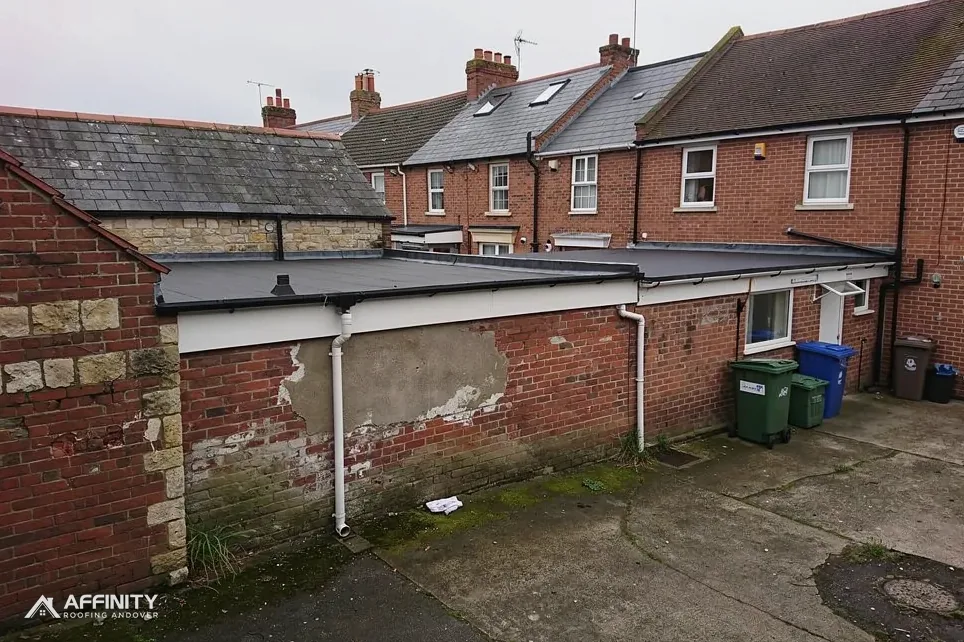
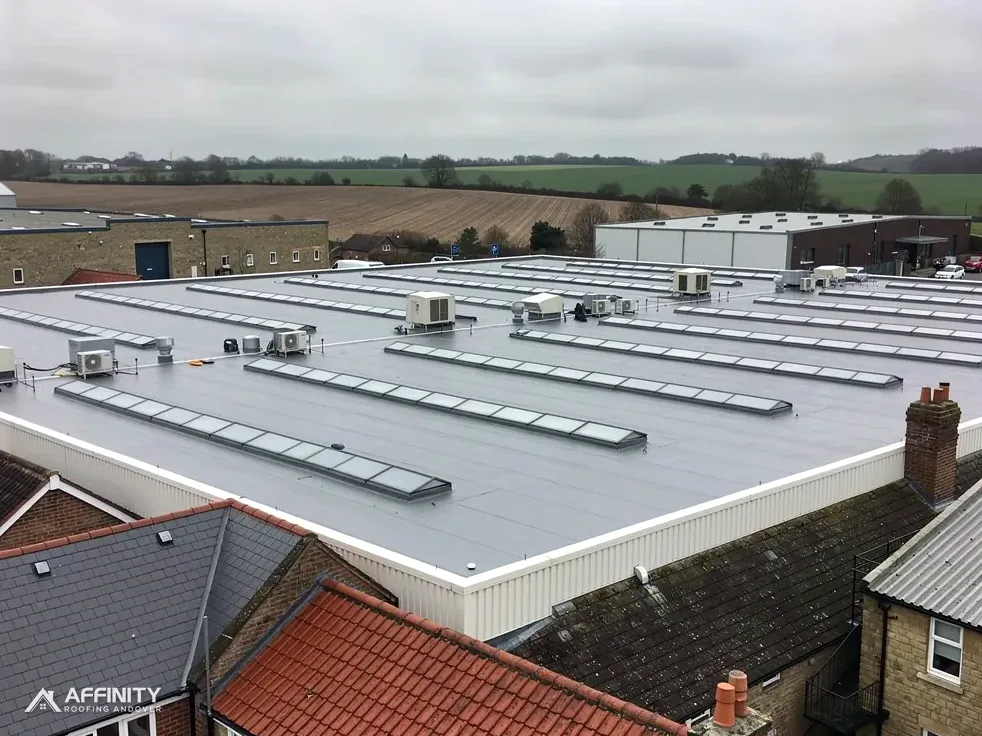
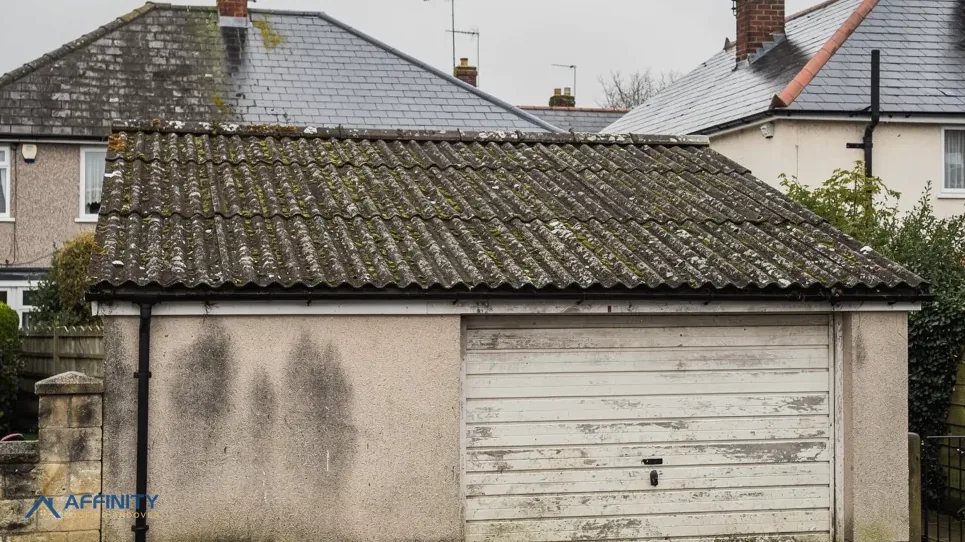
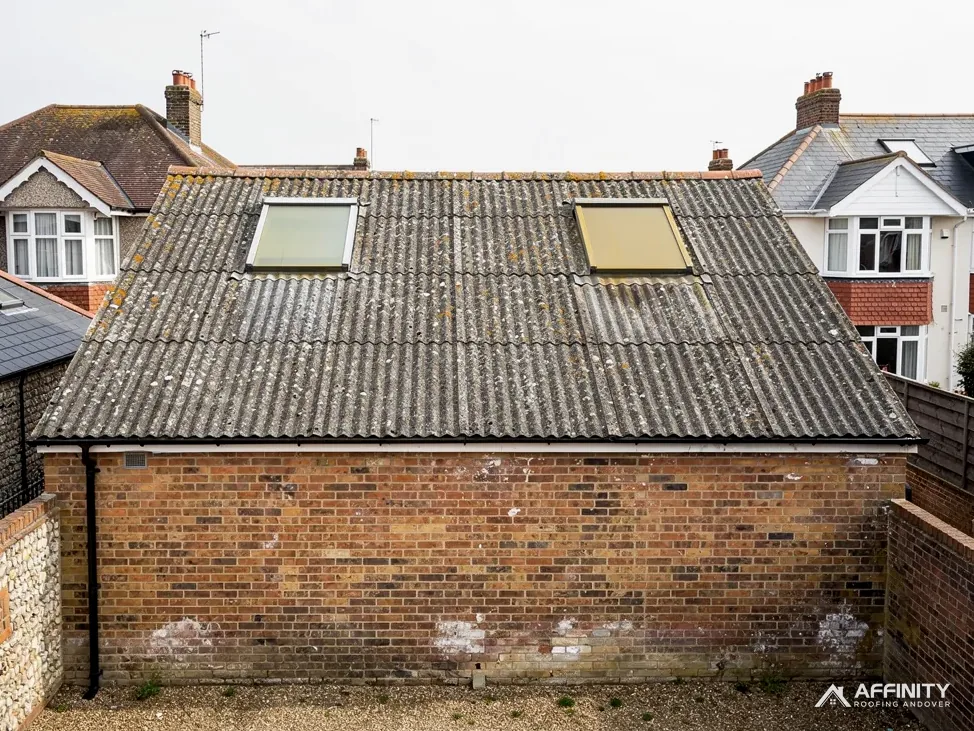
On a metal sheet roof we look at fixings, side and end laps, sealants, the condition of the sheet edges and any sign of corrosion starting at cut edges. On a felt or single-ply roof we check laps and seams, surface wear, blisters, splits and any area where the covering has lifted or been punctured. On a profiled fibre-cement roof the main concern is cracking and the safety of the surface, which the safety section below picks up.
Details and penetrations
Roof lights, vents, pipes, plant bases, cable routes and upstands are where roofs fail. Each gets a look. Roof lights are checked for cracking and for how well they are secured. Sealant around penetrations is checked for gaps. Plant that has been added since the last visit is noted, because every new fixing through the covering is a possible leak and every maintenance engineer who walks to it is foot traffic on the roof.
Parapets, flashings and edges
Copings, parapet linings and wall flashings come next. These are the junctions between the roof and the building, and movement shows in them first.
Debris and vegetation
Moss, leaves, bird nests and dropped litter hold water against the covering and block flow to the drainage. Clearing them is part of the visit, and we note what we removed.
What we cannot fix on the visit, we write down with a photo and a proposed repair, and you decide.
Gutters, outlets and drainage
Water leaves a commercial roof by a limited number of routes, and keeping those routes clear is the most useful single job in maintenance. A blocked outlet turns a flat roof into a shallow pond, and the extra weight and the standing water together shorten the life of the covering.
Why falls matter
BS 6229:2025, the code for flat roofs covered in continuously supported flexible membranes, retains a 1:80 minimum finished fall for the general roof area and for internal gutters. IKO advises designing for 1:40 so that the roof still drains after tolerance and movement. If water is still lying a couple of days after rain on a roof built to those falls, either something is blocked or the deck has moved.
Box gutters and valleys
Industrial units often drain through box gutters between roof slopes, or through valley gutters. They collect everything from two slopes, and a small blockage at the outlet can lead to overflow into the building. We clear them, check the lining for cracks and joints that have opened, and look at the overflow positions. Our guide to valley gutter linings covers what happens when a lining has failed.
Rainwater pipes and gullies
Downpipes can be blocked below the roof where nobody looks. Brett Martin's guidance for rainwater guttering is a fall of 1mm for every 600mm, and a run that has sagged will hold water. We check that discharge points are clear at ground level too.
Drainage faults are often among the quickest to cure, because clearing an outlet is small work beside a new covering.
Records that earn their keep
A visit with no record is only a visit. A visit with dated photographs and a short note builds a file that does real work.
What goes in the file
Each visit produces a dated set of photographs, a note of the roof's condition against the last visit, a list of anything cleared or repaired, and a list of anything recommended with its urgency. The first visit also records the roof's make-up where known: covering, deck, insulation, approximate age and any previous repairs. Add the asbestos register for the building, if one exists, and any manufacturer's documents for coverings and roof lights.
Who the file helps
For a landlord it is evidence of how the roof has been cared for when a tenant disputes who must repair it. For a managing agent it supports the planned-expenditure forecast, because a roof with a clear history can be budgeted for. For an owner selling the building a visiting valuer or purchaser's adviser can see the roof has been cared for. For an insurer it provides context on condition, which matters because the Financial Ombudsman Service looks at whether a storm caused the damage or a roof already in poor condition did.
Keep it simple
The best system is the one that stays up to date. We send each visit's record as a short report with photos, in a form you can file with the building's other papers. Where several units share a roof, the report separates what is the landlord's responsibility from what belongs to a tenant only if the lease says so, because that is a matter for the parties.
Date every photograph and keep the first set. The baseline is what makes every later comparison believable.
CDM, asbestos and fragile surfaces
Maintenance is construction work in the legal sense, and the Construction (Design and Management) Regulations 2015 apply to it. The duties scale with the job.
CDM in brief
Two contractors or more on one project means the client appoints a principal designer and a principal contractor, under regulation 5(1). A single contractor must still produce a construction phase plan, under regulation 15(5). A commercial client keeps its own duties, which differ from the way a homeowner's pass to the contractor. For a planned programme, we agree who is responsible for which duties in writing before the first visit.
Asbestos before anyone touches the roof
HSE tells owners to assume asbestos is somewhere in a building put up or refurbished before 2000 until information shows otherwise. Lifting asbestos cement sheets whole is non-licensed work. Breaking them up is a different category, and HSE's A14 leaflet is blunt that AC roofs are always fragile. Ask for the asbestos register before maintenance begins, and tell us if you do not have one.
Fragile surfaces and edges
Roof lights, old sheeting and some profiled coverings cannot carry a person. Walkways, covers over roof lights and edge protection are set up before staff step onto the roof, and the plan for each visit says where it is safe to stand. We plan each visit from the roof itself, not from a template.
Every one of these points goes into the plan you receive before work begins.
Setting up a programme and what it costs
A planned programme starts with a survey and ends with a calendar. The survey reads the roof, records it and sets the baseline. The calendar fixes the visits and says what each will cover.
What sets the price
The cost follows the number of roofs and their area, how many outlets and gutters each has, the access (whether we need a mobile platform or can use a fixed ladder), the condition found on the first visit and how often you want to be visited. Roofs with plant on them take longer. So do roofs where a fragile surface forces a slower, more carefully protected route. Cost depends on what we find, so no useful figure can be given in advance. Our written quote is one total, set after the survey.
Planned versus reactive
The point of a programme is that repairs are small and scheduled. A reactive approach waits for a leak, and then a ceiling, stock or equipment is wet before anyone is on the roof. A leak found by a visit can usually be patched on the spot; a leak found by a tenant tends to have become a wider repair by then.
Emergencies still happen
A programme does not stop storms. If a roof is damaged or leaking, we make it safe first, then survey and repair properly. Your records make the insurance conversation easier, because they show the roof's condition before the event.
Where to start
Begin with a condition survey, so the baseline is on file. Our guide to commercial roof condition surveys explains what one covers. The commercial roofing page lists the systems and the sectors we work in.