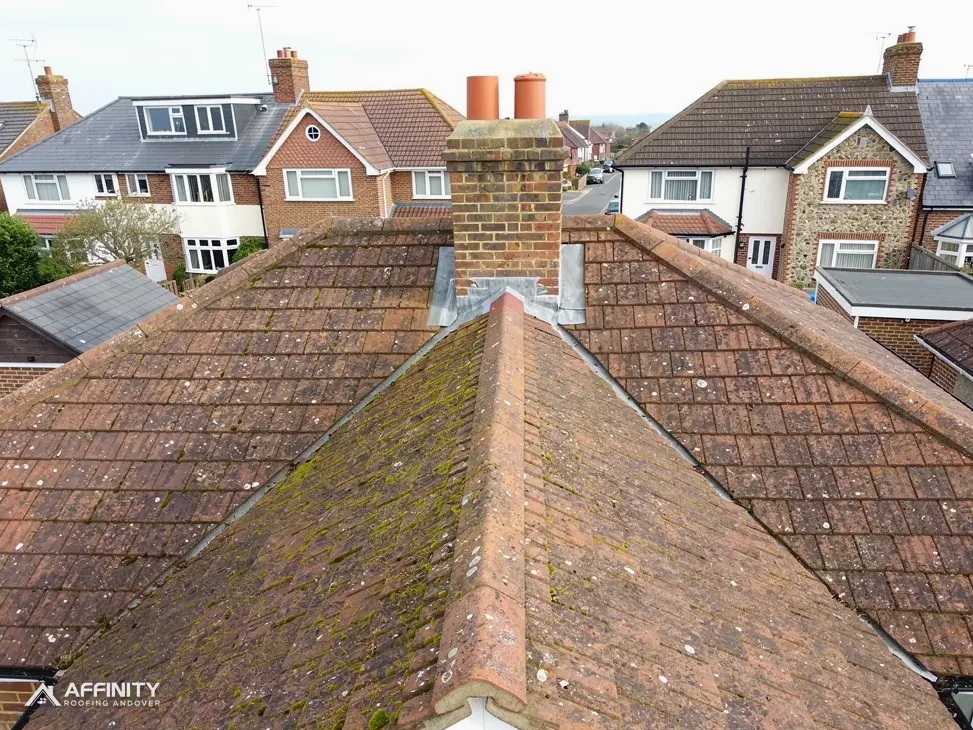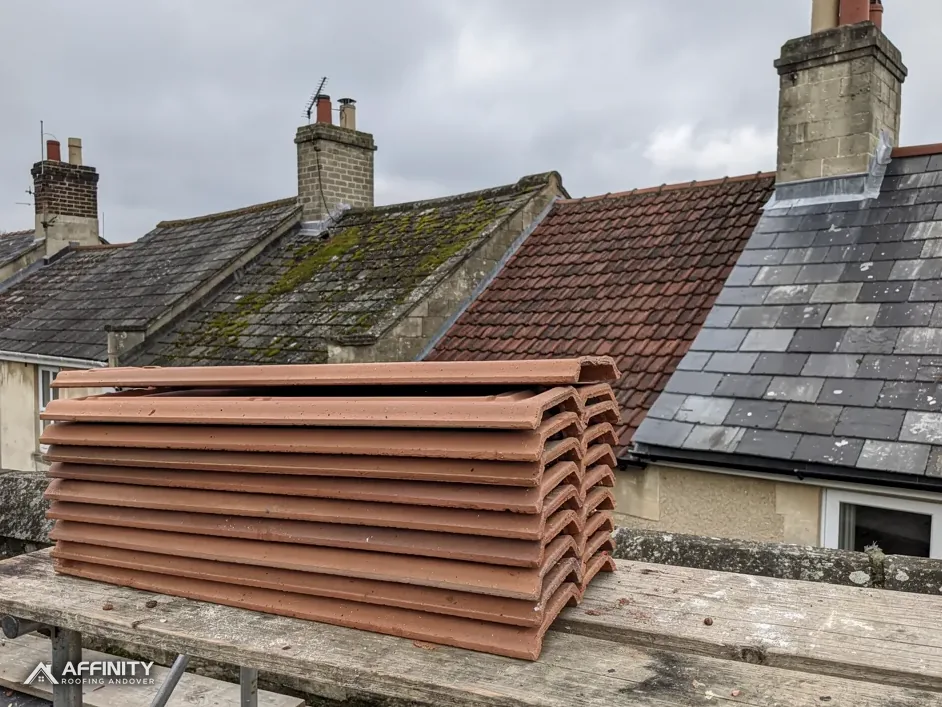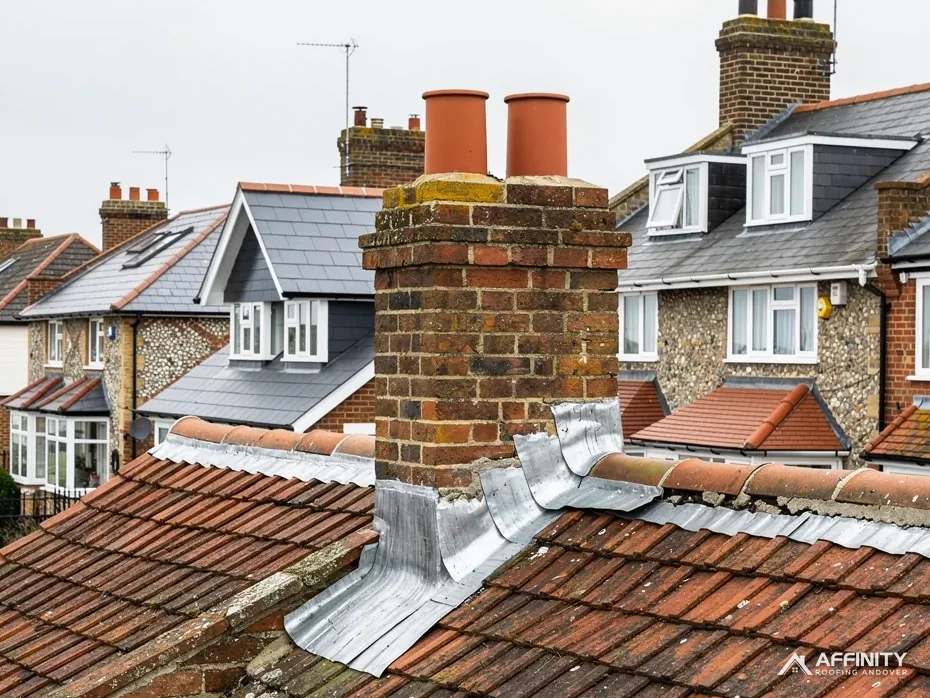
The short answer
Clear everyone from beneath the stack, pets included, and stay off the roof and ladders. Photograph what you can see from a safe distance, ring your insurer, and arrange for the stack to be made safe. A fall of brick means the stack is failing, so the make-safe comes first and the permanent repair follows after a survey.
First steps in the garden
Get everyone away from the area below the chimney. That means the path, the patio, the car and the conservatory if it is beneath the stack. Stay out of any space where a falling brick would land, and keep children and pets in.
If the stack overhangs a public path or a neighbour's property, tell the neighbour. A falling brick is a danger to them too.
Do not go on the roof or lean a ladder against a loose stack. The structure may give way, and anything you put weight on near it may fail. Look from a safe distance, with binoculars if you have them.
Take photographs of the stack from several angles and of every brick on the ground. Include the date. Put the fallen brick aside with care, because it may show whether the fault is frost, wear or a failed joint.
If the stack looks as if it could fall as a whole, or if bricks are hanging, treat it as an emergency. Cordon off the area below with whatever you have and arrange a make-safe at once.
We would rather be sent a photograph than hear that someone has climbed up to check.
Ring your insurer
Ring the insurer before work begins, get the stack made safe, and hold on to photographs and receipts. Ring the number on your policy before work starts, and ask what they need.
Whether the damage is covered depends on the policy and on the cause. The Financial Ombudsman Service explains how storm damage is judged: it looks for storm conditions in the weather itself, and some policies set their own thresholds. Look at your policy's own storm definition.
Policies often leave out damage that builds up slowly, and wear and tear. The Ombudsman is unlikely to back a complaint when the roof had already deteriorated and the storm merely showed up an old fault. A stack that has been crumbling for years is likely to be treated this way.
None of this means you should not ask. A clear record helps: photographs of the stack before the fall, if you have them, and of the damage now.
No payout can be promised. Our answer on whether an insurer will pay for a storm-damaged chimney sets out the process, and the FOS helpline is 0800 023 4567 if a claim is refused.
Making the stack safe
A make-safe is not a repair. It removes the immediate danger: loose bricks and pots are taken down, an unsafe top section is dismantled and the stack is left in a state that cannot drop anything. The roof opening is covered so rain does not get in.
Sometimes the make-safe is quick. Sometimes it means taking the stack down to the roofline and capping it. That leaves a stub, and the lasting repair can wait until the weather and the access allow.
Access is the main cost. A tower or scaffold gives the crew a safe platform, and a roof with a chimney on a steep slope needs a proper working area. If the scaffold would stand on the pavement, the highway authority's licence applies, and the survey says which of the two the job needs.
Keep what comes off for the insurer to see, if they ask. Your roofer should photograph the stack as it is taken apart, because the inside often tells the real story.
We make a leaking roof safe first. A fall of brick gets the same treatment: the danger is removed, then the survey and the written price follow.
Repairing or rebuilding afterwards
Once the stack is safe, the question is what to do with it. The choice runs from repointing and replacing a few bricks, through rebuilding the top courses, to taking the whole stack down below the roofline. The survey decides.
Bricks fall for a reason. Frost, weak mortar, rusting fixings, a leaking flashing or a cracked pot can all be behind it. The repair has to deal with the cause, or the next row of bricks will follow.
If the stack is no longer needed, taking it down is an option, but it has its own rules. Chimney breast removal brings in Building Regulations approval, and a shared stack may involve a party wall notice. Our guides to when a chimney needs rebuilding and removing a redundant stack go through both.
Ask for a written scope that says what is being rebuilt, what bricks and mortar are used and how the flashing is dealt with. The quote is one total price.
See the chimney repairs page for the full range of work.