The short answer
Start with your home insurer, because policies usually expect to hear before permanent repairs begin. Next, a roofer should make the roof safe and survey it. If water has reached a light, socket or consumer unit, an electrician should check the circuit. For a flat or rented home, tell the landlord or freeholder as well, since the repair may be theirs.
The insurer comes first
Your home insurance may cover sudden damage, and policies commonly ask you to report a loss promptly and before permanent work begins. Ring the number on your schedule. Ask what the policy covers, whether it names a preferred contractor, what the excess is and what evidence they want. Write down the date, the person and any reference number.
Helplines at many insurers are staffed outside office hours, according to Which?. Policies often carve out wear and tear and gradual damage, so a slow leak from an ageing roof can be treated differently from sudden storm damage. A claim may or may not succeed, and that call belongs to the insurer.
Meanwhile, protect your position. Take dated photographs of the stain, the damage visible from the ground and the loft as seen from the hatch, and keep receipts. Our answer on storm damage and home insurance lists the steps in order.
Ringing the insurer does not stop you calling a roofer. It only means you do both in the right sequence, and the details you give the insurer match what the roofer later finds on site.
Then a roofer, for safety and diagnosis
The roofer is the person who stops the water and finds the cause, and who can show you where it was getting in. The first visit is usually a make-safe: stopping the entry of water, protecting the interior and recording what is wrong. Following that comes a survey, which should identify the actual defect and show it to you in pictures, with a plain account of whether it is a small fix or something larger. Ask what the temporary measure is, how long it is meant to last and what the next step will be. The aim is to trace the real entry point, not just the stain.
When you compare firms, remember that Citizens Advice advises collecting three or more written quotes before you settle on a trader. Have the scope put in writing with one total price, and check whether it includes VAT and any scaffolding. A genuine tradesperson will describe what they found, not just name a number.
An urgent visit that you specifically request is treated differently under consumer law. Regulation 28(1)(e) of the 2013 regulations removes the cancellation right when you have asked a trader to come out for urgent repairs or maintenance. Before work starts, be clear about exactly what you are agreeing to.
Our answer on cancelling an emergency roof repair goes through it.
An electrician, if water has reached the wiring
Water and electrics should never meet. If a leak is near a ceiling light, a socket, a fan or the consumer unit, or if a light flickers or trips the circuit, isolate that circuit at the consumer unit and keep clear of the fitting, leaving it off until an electrician has had a look.
A roofer is not the right person to judge wiring, and an electrician is not the right person to find a roof leak. The two trades overlap in time, since the electrician may need the roof watertight before the circuit can be tested dry. If a ceiling is bulging with trapped water, keep people out from underneath, because a wet ceiling can fall.
Gas is a separate matter. If you smell gas at any point, leave the building and call the gas emergency number. Do not try to find the cause yourself.
For a leak that comes close to lighting, switch off, stay clear and ring the electrician while the roofer deals with the cause.
Landlords, freeholders and neighbours
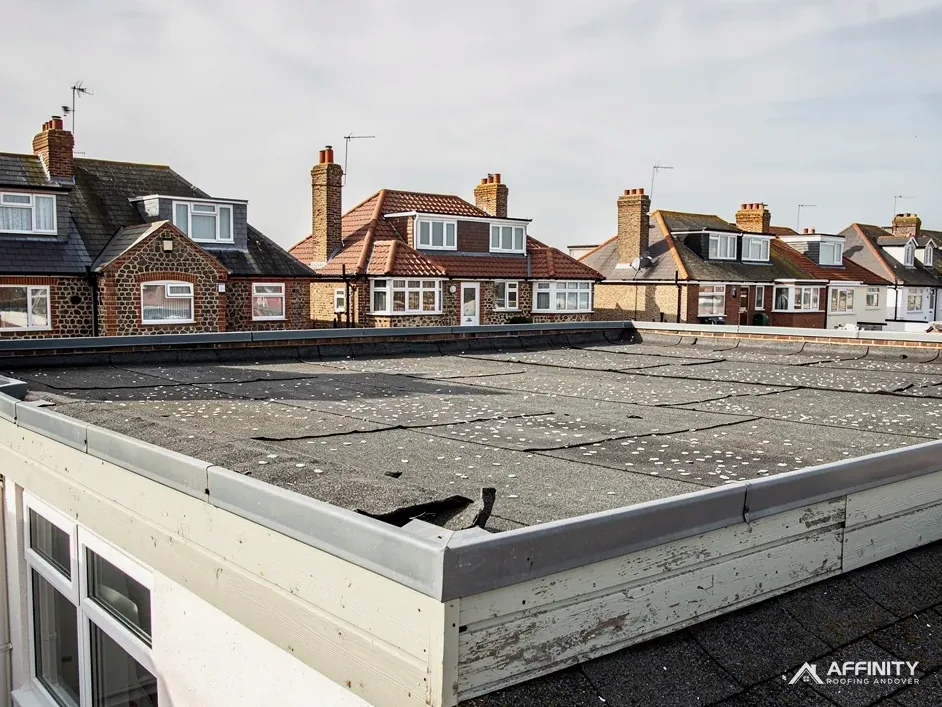
Who you ring depends partly on who owns the roof. In a flat, the roof is usually part of the freehold or a shared structure, and the repair is often arranged through the freeholder or managing agent, not by you alone. Check your lease before commissioning work, and tell them about the leak in writing straight away.
If you rent, report the leak to the landlord or agent in writing and keep a copy. Check your tenancy agreement for who arranges roof repairs, and write down every date you reported the problem. Our guide on landlord roof repairs explains the practical side from the owner's angle.
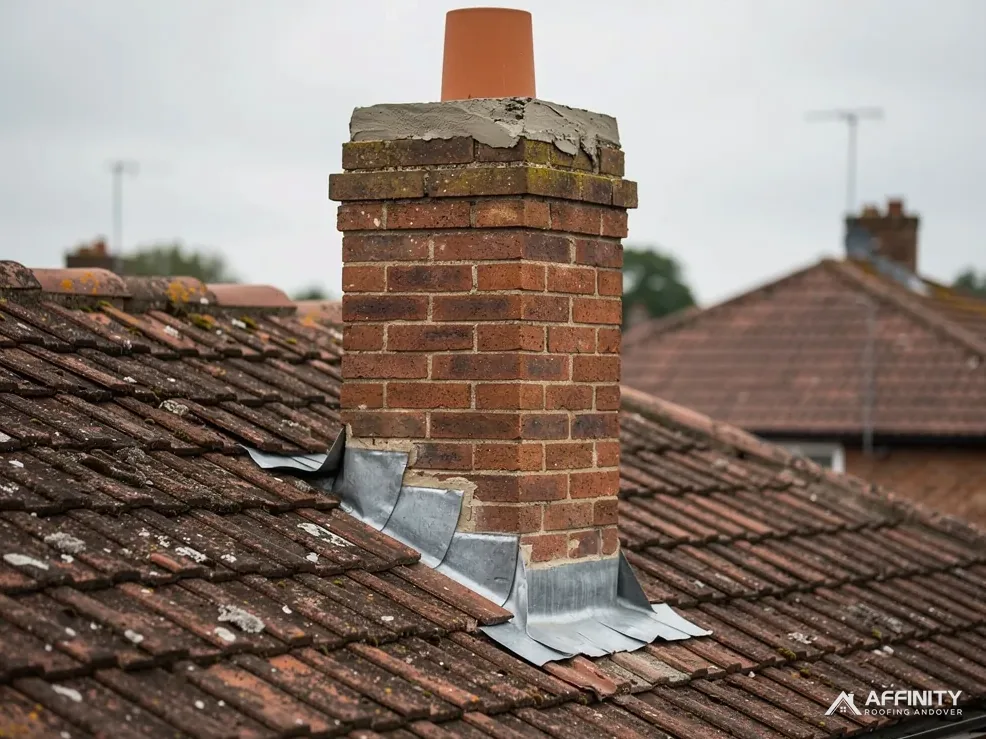
With a terrace or semi, the leak may start on a neighbour's side. A friendly conversation early often helps, because shared chimney stacks, valleys and abutments can need work on both properties.
For a single house you own, the order is plain: insurer, roofer, and an electrician if needed. Keep everything in writing, ask for photographs of whatever is found and expect one written price after the survey. The range of work we carry out is on our roof repairs page.