The short answer
Ask the insurer to explain the refusal in writing and complain to it first. With its final response in hand, or after eight weeks of silence, you can take the complaint to the Financial Ombudsman Service, which costs nothing. The clock runs for six months after that final response. The ombudsman's helpline is 0800 023 4567, and no roofer can promise how a complaint will end.
Why roof claims get refused
Insurers refuse roof claims for a handful of reasons, and knowing which one applies tells you what to do next. One is that the damage is not seen as storm damage. Policies cover named perils, and a leak that built up over months is often treated as gradual damage or wear and tear, which many policies exclude.
The Financial Ombudsman explains its approach to these cases. Its checks are plain enough: was there a storm, does the damage look like storm damage, and did the weather do the main harm? Where the roof had been failing for a while, with the owner aware, a complaint rarely succeeds, and the same goes for a storm that merely brought an old fault to light.
Other reasons include a late report, failure to protect the property from further damage, or a claim that falls under an excess. Read the refusal letter carefully, since the insurer should say which policy term it is relying on.
Nobody outside the insurer can say beforehand how a claim will turn out, and a roofer who suggests otherwise is guessing. What a roofer can do is describe what the roof shows, with photographs, which is evidence the insurer may weigh.
The complaint route, step by step
Begin with the insurer. Write to its complaints department, quote your policy and claim numbers, say what you disagree with and attach your evidence. Ask for the reasoning behind the refusal, including the exact policy term it relies on.
The insurer then investigates and sends a final response. If it has not given you a final response within eight weeks, the Financial Ombudsman says you can bring the complaint to it. If you do receive a final response and still disagree, the ombudsman can hear your case for six months after the date printed on it. Keep the letter and note that date at once.
The Financial Ombudsman Service calls its own service free and simple to use. You can contact it by phone on 0800 023 4567 or through its website, and it will ask for the final response, the policy and the evidence.
Its role is to look at the case independently and decide what is fair. It does not take the insurer's side or yours automatically, and the outcome depends on the facts of your claim, the policy wording and the condition of the roof. Our guide to storm damage and home insurance sets out the earlier stages.
Evidence that helps
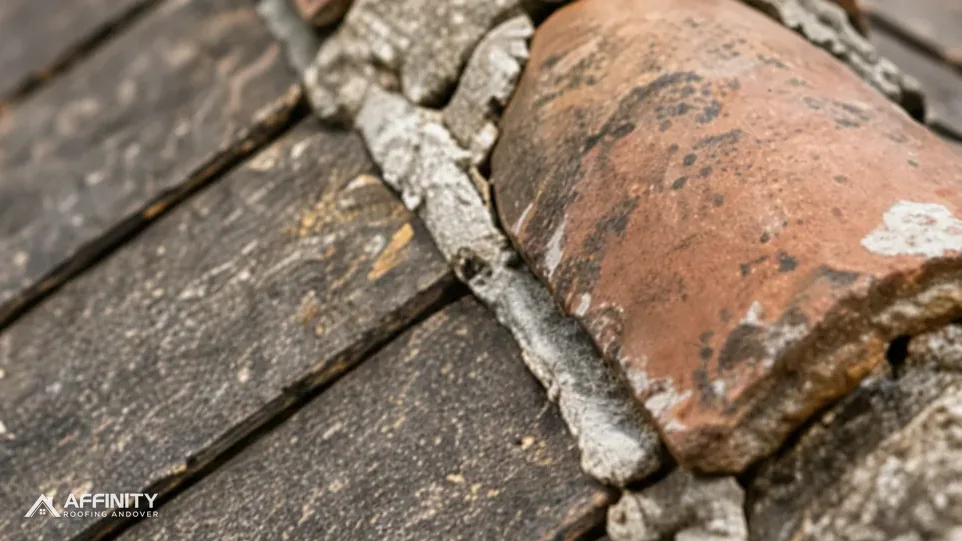
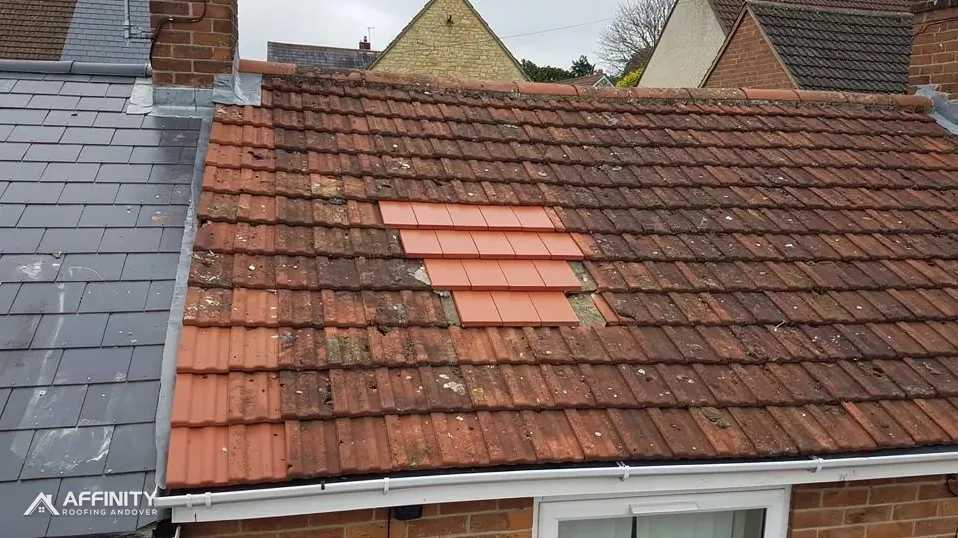
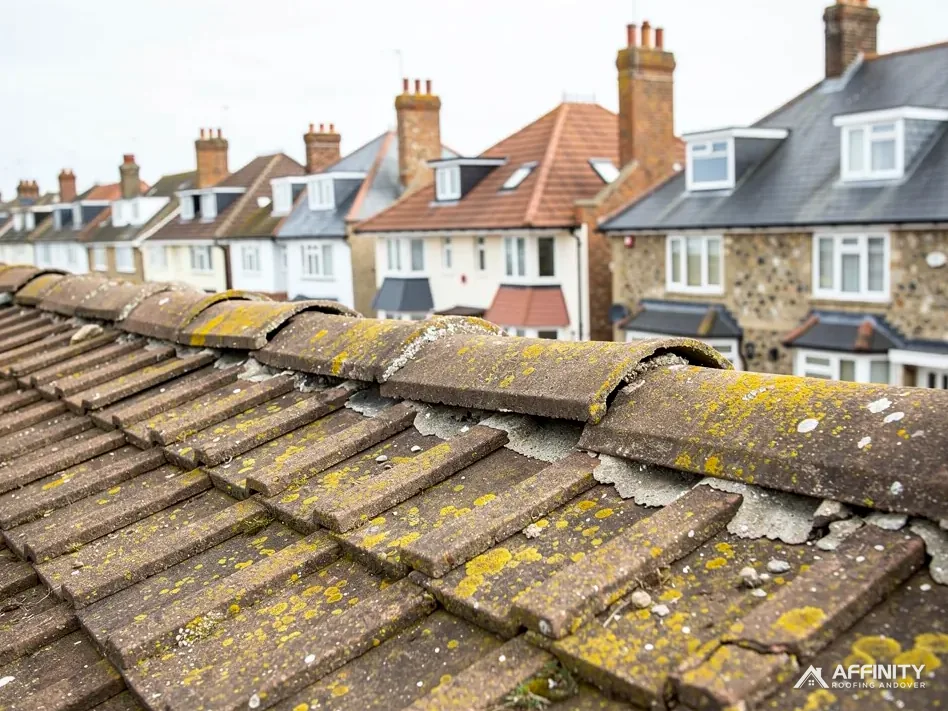
A complaint is strongest when it answers the questions the ombudsman asks. Was there a storm? Photographs and a dated note help to show it. Does the damage fit one? Pictures of fresh breaks, scattered debris and displaced tiles speak to that, as does a roofer's description of what the roof shows.
Condition matters too. Where the insurer calls the roof worn out, a record of the roof's state before the event can help, such as earlier inspection reports, repair invoices or photographs of a sound roof. Be straightforward about anything you knew, because the ombudsman looks closely at that.
A written survey from a roofer adds a second view. Our roof repairs survey records every defect with photographs and says in plain words what the roof shows and what could have caused it. That is a factual account to put alongside your own, and it is not a verdict on the claim.
Keep every receipt for temporary repairs and a copy of every letter. Our guide to photographing roof damage explains how to build a clear record.
While you wait for a decision
A dispute does not stop the roof leaking. Whatever the insurer decides, protect the house: arrange a make-safe, catch the water and keep dry what you can. Insurers generally expect an owner to limit further damage, and your policy says whether that cost can form part of the claim.
Be careful about permanent work while a complaint is open. Once a defect has been repaired, it can no longer be inspected, so photograph it first and keep the removed material if possible. If the roof cannot safely wait, do what is necessary and record it.
It also helps to put the repair on a separate footing from the claim. A written price for the work lets you decide whether to proceed now, and you can pay for it yourself and pursue the insurer afterwards.
Citizens Advice may also be a useful place to take advice on your options, and its consumer helpline is 0808 223 1133. Our own part is practical. We survey, photograph the findings and give one written price, so whatever the insurer decides you know what the roof needs.