The short answer
Hail can crack or chip tiles, break glass in roof windows and rooflights, dent gutters and metal flashings, and bruise the surface of a flat roof covering. It often does its harm quietly, leaving a leak to appear weeks later. The Financial Ombudsman accepts that hail on its own can be a storm, so a hail claim is not ruled out just because there was no gale.
What hail strikes first
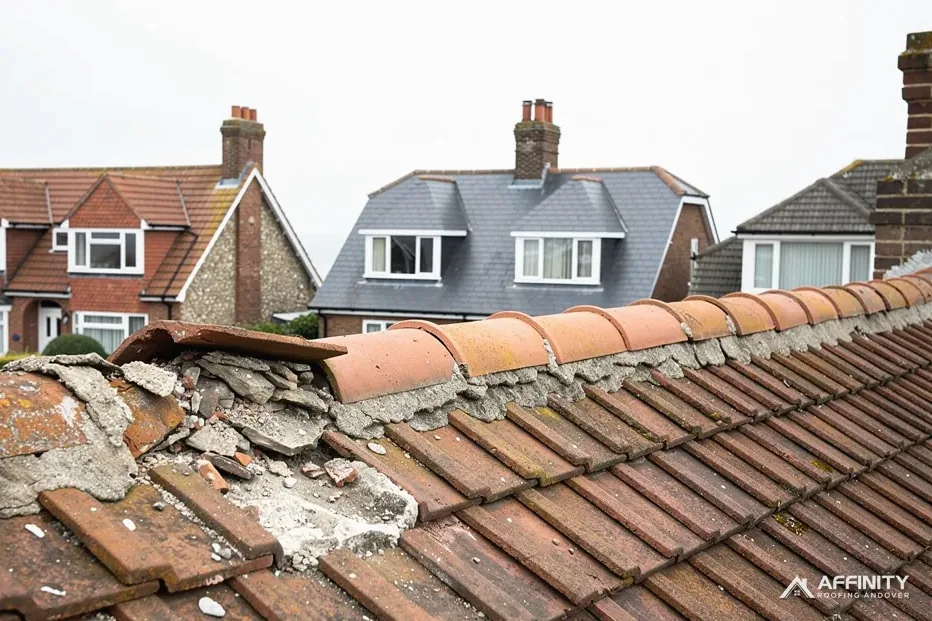
Hail falls from above, so it hits the surfaces that face the sky. On a pitched roof that means the upper faces of tiles and slates, the ridge, and any hip or valley that collects the stones. A hard strike can crack a tile through, chip its edge or break a corner, and a cracked tile that still sits in place can hide the damage until rain gets through the gap.
Glass and plastic are the weakest points. Roof windows, rooflights, conservatory roofs and polycarbonate sheets can crack or craze, and cracks that begin as hairlines spread. Garden structures with thin coverings, such as a lean-to or a carport, are the most exposed of all.
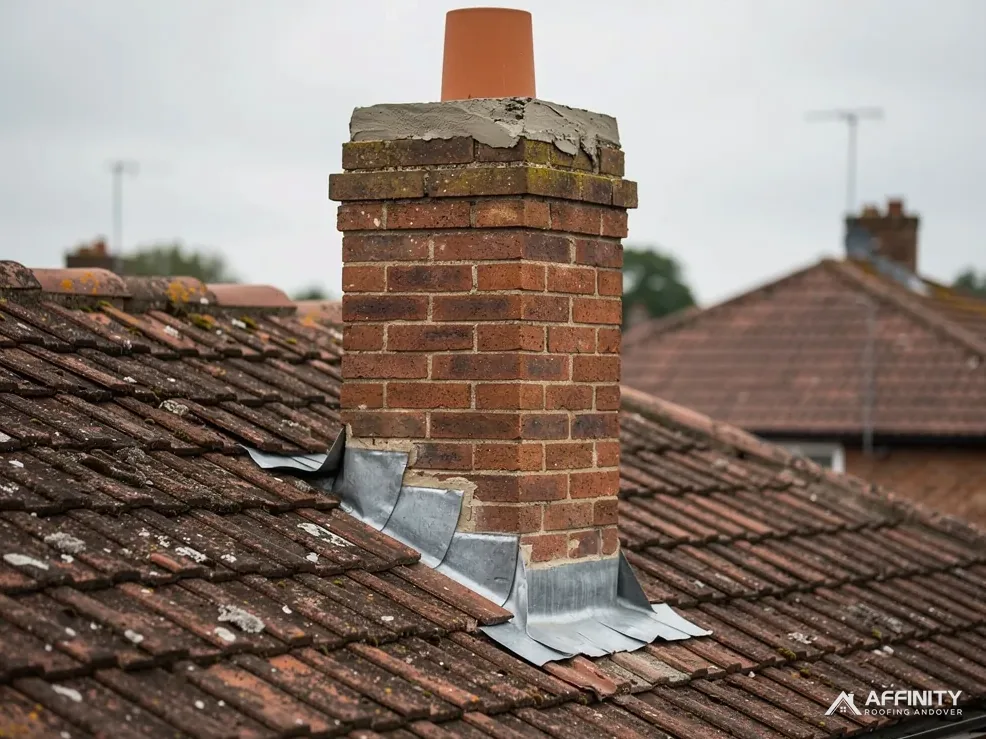
Lead and other metal flashings dent rather than break, and a dent can open a joint or leave a hollow where water sits. Plastic gutters and fascias can crack, and a split gutter spills water against the wall below.
The size of the stones matters, but so does the age of the roof. A covering that has already weakened with weather, moss or old repairs will fail under hail that a sound roof shrugs off, which is worth knowing before you look for someone to blame.
Flat roofs, felt and underlay
Flat roofs take a different kind of harm. Their surface is a membrane, a continuous waterproof layer such as felt, EPDM rubber or GRP fibreglass, and hail can bruise it. Mineral-surfaced felt can lose granules and show bare patches. A hard strike on an ageing membrane can crack the surface or split a seam, and a split that is not obvious may only show itself as a stain on the ceiling underneath.
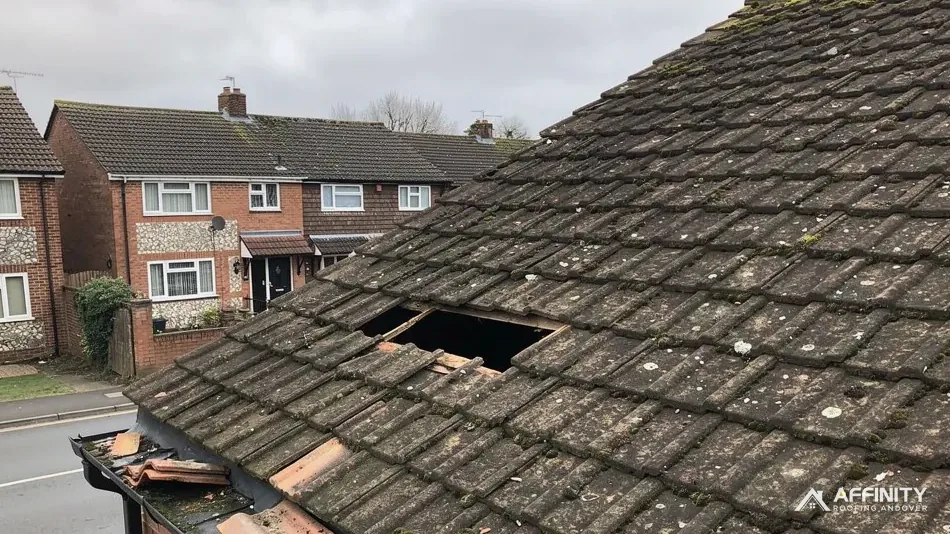
Underlay is the layer under the tiles that catches whatever gets past them. It is not designed to be exposed, so a tile cracked by hail leaves it open to rain and to sunlight, and older felt underlay can tear where a broken tile fell onto it.
None of this is visible from the ground. The easiest time to deal with a hail problem is straight after the storm, before it has been through winter, and the usual signs are indoors: a damp patch, a stain that spreads or a drip in the loft. Our guide to finding a roof leak explains how we trace one back to its source.
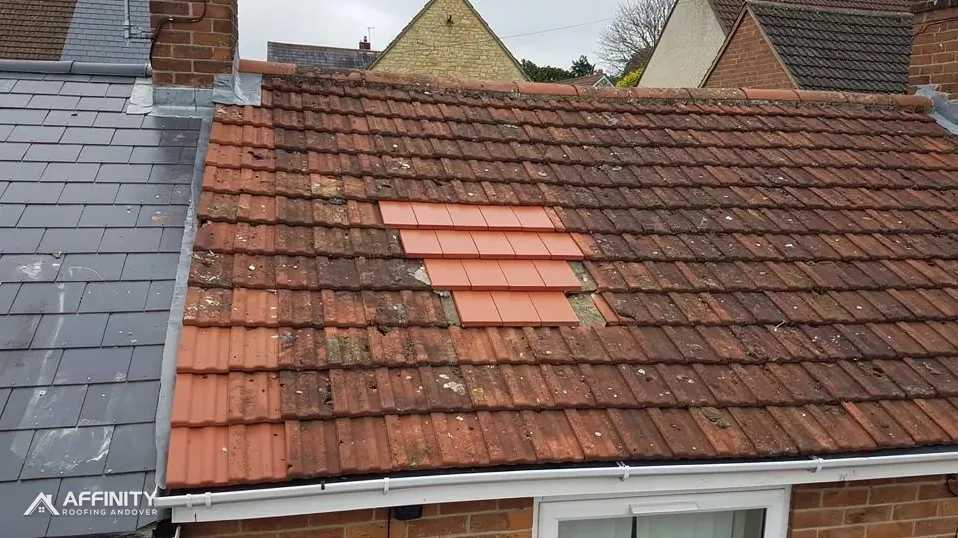
Where a repair is needed, the covering is mended to match how the roof was built.
Hail and your insurer
It is easy to assume a storm needs a gale. The Financial Ombudsman Service takes a wider view. In its guidance, violent winds are the usual ingredient, but storms without high winds happen too, and hail, rain or snow arriving on its own can be enough to count.
For hail, it looks for high volumes in a short period or extreme conditions. Its questions go further: is the damage the kind a storm causes, and was the storm the main reason for it? A complaint struggles where the roof was already in bad shape and the owner knew it.
That is why your policy's own storm definition matters, and why you should read it. Nobody can promise a claim will be paid. What helps is evidence: photographs, a dated note of the storm and a roofer's findings in writing.
Tell your insurer first, keep receipts for any make-safe work and avoid permanent repairs until they have had a chance to respond. Our guide to storm damage and home insurance covers the process, and the Financial Ombudsman helpline is 0800 023 4567 if a claim is refused.
Checking safely after a storm
Start inside. Climb the loft steps with a torch and watch for daylight, damp timber or a drip, and check the ceilings upstairs for new stains. Then look outside from the ground, using binoculars if you have them: slipped or cracked tiles, dents in lead, gutters pulled or split, and debris lying below.
Walk the garden and the drive. Broken tile fragments, chipped slate or pieces of glazing are evidence in their own right, and a photograph of them lying where they fell is worth taking before they are tidied away.
Do not go up on the roof. Wet tiles are slippery, cracked ones give way underfoot, and an injury from a fall outweighs any roof repair bill. A roofer can inspect the slopes with proper access and photograph every defect.
If water is already getting in, catch the drip in a bucket, shift belongings away and, where it is safe, leave the loft hatch open so the damp can clear. Then call a roofer to make the roof safe.
Our roof repairs survey records each area that hail has marked, so the repair, and your insurer if you claim, can see the same evidence.