The short answer
A small repair reached from a ladder can be finished quickly once the roofer is on site, while a repair that needs scaffolding takes longer to arrange. Weather, the extent of the damage and the lead time on materials all play a part. Nobody can name a reliable duration before seeing the roof, so a survey and a written plan come before any date.
Small jobs from a ladder
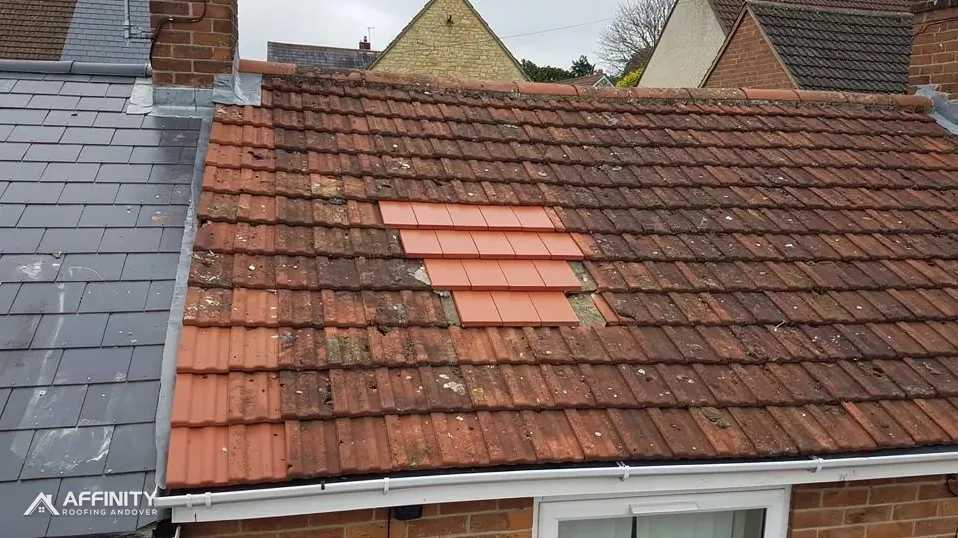
Some repairs are genuinely small. Replacing a few broken tiles, refixing a loose ridge tile, renewing a short length of flashing or clearing and refitting a section of gutter are jobs a roofer can often tackle from a ladder in a single visit. Once the roofer is up there, the work itself is usually measured in hours rather than days.
Even then, three things sit around the work. The survey comes first, because the roofer needs to see what has failed and what lies underneath. Materials come next: a standard concrete or clay tile is easy to find, but a match for an older tile, a particular slate or a length of lead may need ordering. The third is access to the property, such as a clear driveway or a gate that opens.
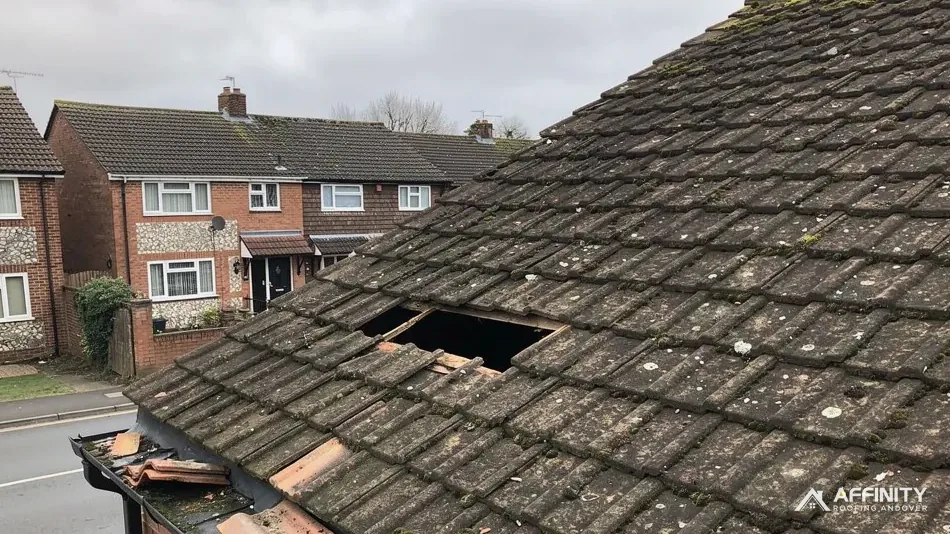
A small repair can also turn out to be bigger than it looked. Lifting a tile may reveal rotten battens or a torn underlay, and the sensible response is to stop, photograph what is there and tell you, rather than carry on and hope.
A duration quoted before anyone has seen the roof is a guess. Our guide to small roof repairs shows how we price them.
Jobs that need a scaffold
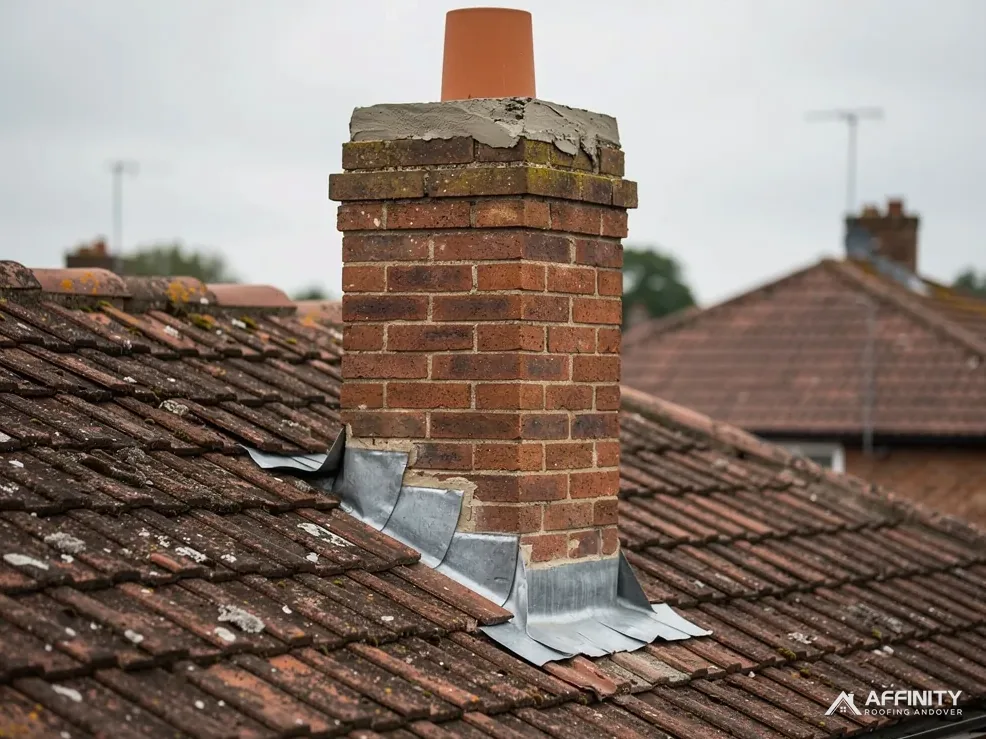
A repair high on a main roof, around a chimney or along a gable is different. Safe working needs a scaffold or tower, and the arrangements add time before the roofing starts and again at the end when it comes down.
If the poles and boards will occupy the pavement or road, the Highways Act 1980 requires a licence. In Hampshire that comes from Hampshire County Council, which wants the scaffolding firm to apply for the householder and sets a floor of ten clear working days before a licence can begin. West Berkshire Council asks for at least ten working days too. Where the scaffold stays entirely on your own land, no highway licence enters into it, and the programme can be shorter.
That notice period is a council rule, not a delay on the roofer's side, and it shapes the timetable for any repair that needs scaffolding at the kerb. When we plan a job, we tell you early whether a licence is needed and arrange it with the scaffolder.
Then comes the repair itself, which on a larger area might take a few days instead of a few hours, depending on how much has to be stripped and refixed. A scaffold job is better thought of as a short project than a single visit.
What weather does to the programme
Rain, wind and frost all interrupt roofing, and each does it in its own way. Wet slopes are slippery, strong wind makes lifting sheets and tiles unsafe, and some materials will not bond or cure in damp or cold conditions. A repair planned for a particular day can move for reasons nobody controls.
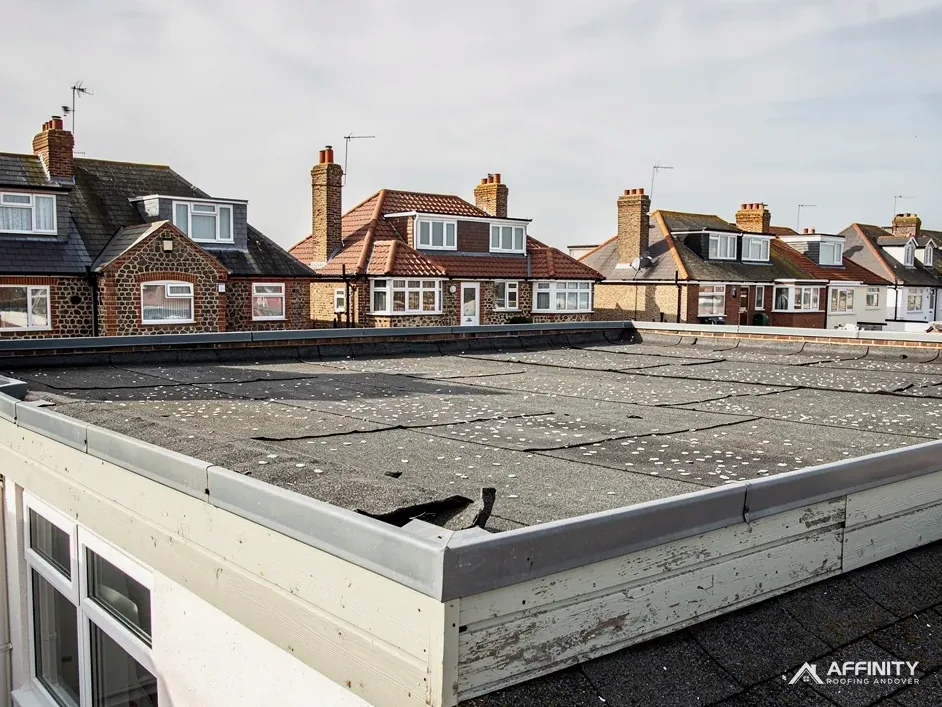
Weather matters most for flat roofs and for anything bonded or sealed. A membrane laid onto a damp surface may blister, and a joint made in poor conditions can fail early. Pitched roof repairs with tiles or slates are more forgiving, but even there, a roofer will not open a large area just before rain.
The sensible approach is a make-safe when a roof is leaking, followed by a permanent repair when conditions suit the work. A good make-safe protects the house while you wait for the right window. Our guide to temporary roof repairs explains what that stopgap covers and where it ends.
We would rather tell you the work has moved than rush it into poor weather and leave you with a repair that needs redoing.
Why we do not put a date before the survey
You will see firms promise a quick finish, sometimes within hours. A date handed out before anyone has looked at your roof is a sales line, not a plan. Three unknowns sit under every repair: the extent of the damage, the access it needs and the weather on the day.
What we offer instead is a sequence. A survey with photographs shows the roof as it stands. A written plan says what the repair involves, whether it needs scaffolding and what could change the order of work. One written price follows, so there is no moving target.
After that, the programme is set around the roof. You are told what is happening on each day, and the site is kept tidy with the waste taken away.
If your roof is leaking now, say so when you ring. A leak changes the order of work, because the first step is to make the roof safe and stop water getting in. The permanent repair follows once the cause is known. Our roof repairs page sets out how we work through a job from survey to completion.