The short answer
You need one if birds are getting in at the eaves, where the roof tiles meet the wall, and you want them kept out without blocking ventilation. An eaves comb or bird guard fills the gaps beneath the first course of tiles while leaving a slot for air. It should go on when no nest is in use, because wildlife law protects active nests and bats.
What an eaves guard or comb does
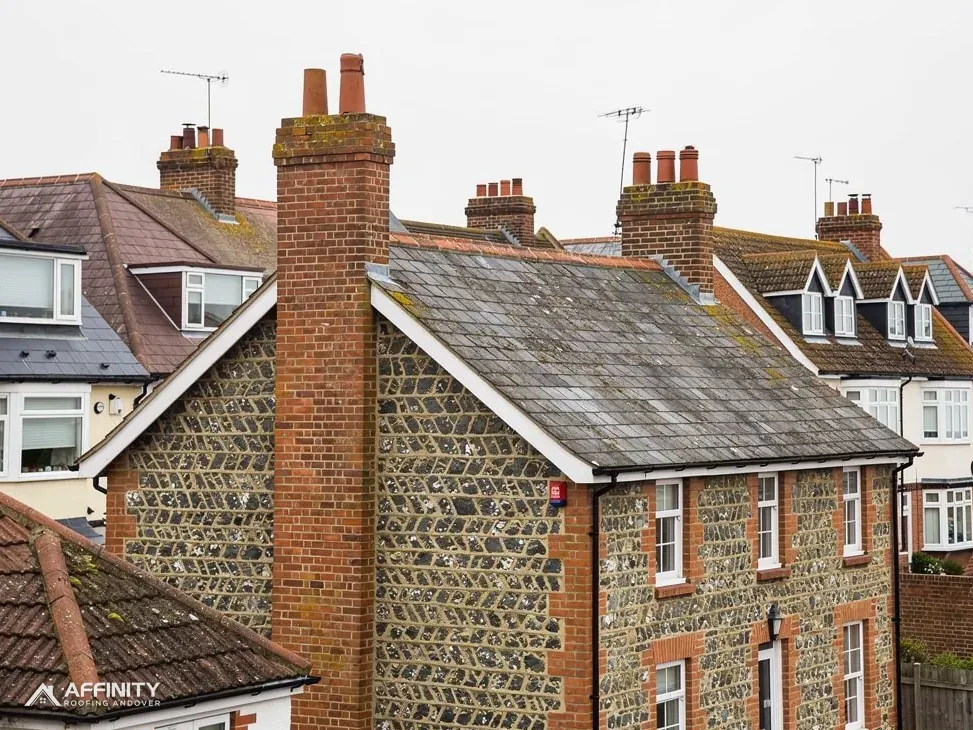
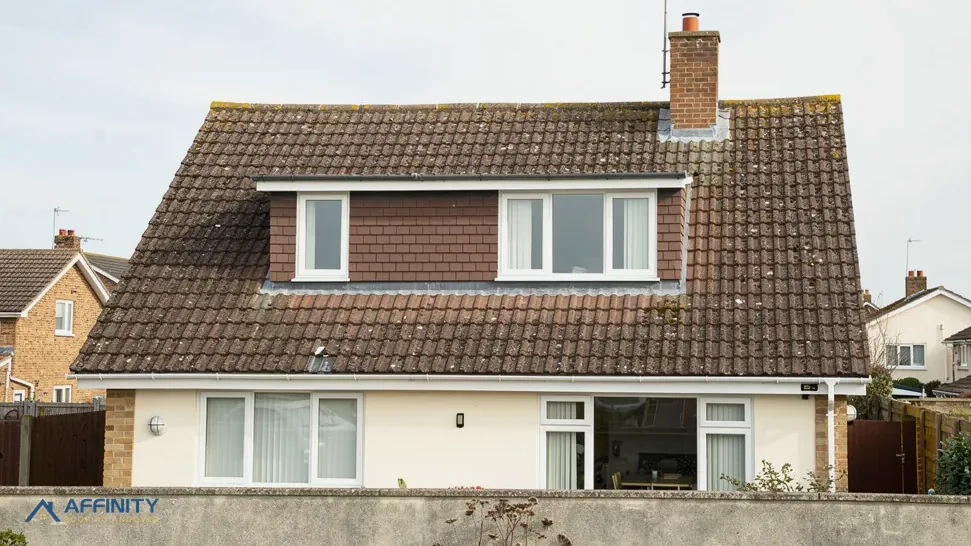
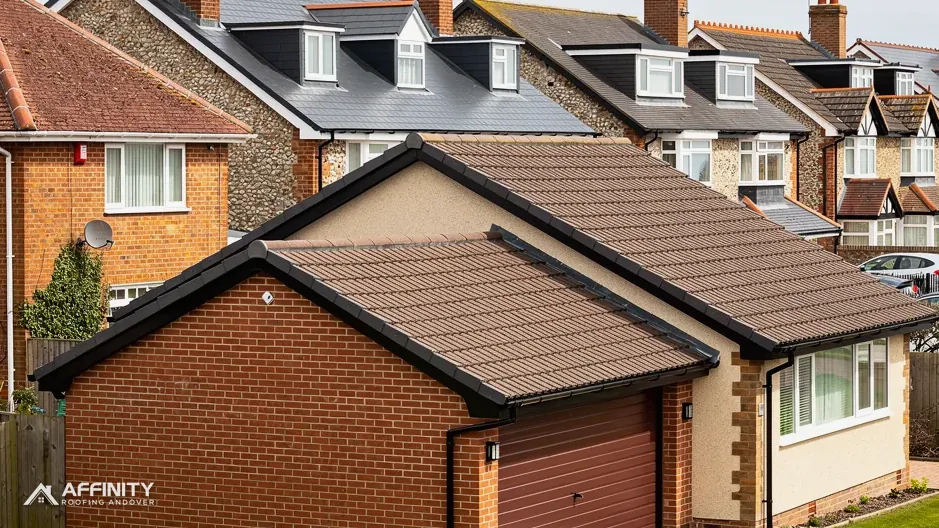
The eaves are the lowest edge of the roof, where the tiles overhang the wall and the gutter. Under that overhang there is often a gap between the wall head and the underside of the first tiles. On a tiled roof it can be wide enough for a bird to walk through, and once inside it can reach the roof void and build a nest.
Two products close that gap. An eaves comb is a strip with upward teeth, set behind the line of the fascia, which props up the bottom course of tiles and fills the space beneath them. A bird guard works on the same principle and may be a mesh or a profiled strip. Both are made with openings narrow enough to stop birds but wide enough to let air pass.
That second job is as important as the first. The eaves are where air enters a cold roof, so the guard sits on a ventilation path. Our guide to pitched roof ventilation explains why that air matters to the timbers and the underlay.
Some roofs also have a gap above the wall plate that is filled with a ventilator and a tray. The right part depends on the roof design.
Keeping ventilation open
A guard that blocks the eaves is a fault, not a fix. If the opening is sealed with foam, mortar or tight mesh, the air path closes and the roof can start to hold moisture. Where the underlay is the HR, non-breathable sort, Marley's cold-roof guidance asks for a 25 mm slot at the eaves on pitches of 15 degrees or under, and 10 mm on steeper ones. A breathable underlay is different: it may manage with the modest gap that normal eaves construction leaves, but only on the strength of third-party certification.
BS 5250:2021 is the current code for managing moisture in buildings. The product chosen must therefore keep an open area that suits the underlay and the pitch of your roof. Read the maker's data sheet, and put the question of open area to the person fitting it.
Blocked ventilation shows later as damp rafters, mould patches and condensation in the loft, which our answer on condensation in the loft covers.
So when we fit a guard, we look at the insulation too. Quilt packed hard against the roof can shut the same path, and the guard then protects nothing.
Active nests, bats and the Acts
Timing matters. Under section 1 of the Wildlife and Countryside Act 1981, a wild bird's occupied or half-built nest is protected, and intentionally damaging it is an offence. If birds are nesting at your eaves, shutting the entry on them would put you at risk of that offence. We check for signs of an active nest before fitting anything and wait where one is present.
Bats are a separate matter. GOV.UK treats bats as fully protected, together with their roosts, and lists roof repair among the work that can affect them. Under section 9 of the 1981 Act, keeping a bat out of its shelter is an offence if you intentionally or recklessly do it. The Habitats Regulations 2017 reach further, because harming a roost is an offence there even if no harm was meant.
If you see bats, droppings or signs of roosting, stop and take advice before any guard goes on. An ecologist or the statutory nature body can say what the situation needs. Leave any gap you are unsure about open.
Fitting a guard, and the cost
Fitting is done from the eaves, so the work is at height. The gutter and fascia are reached by ladder, tower or scaffold depending on the building, and on a long run the access has a large say in the price. We also check the fascia boards and felt at the same time, since a weak board can undo a good guard. Scaffold that spills onto the road or pavement needs permission from the highway authority, which we sort out with the scaffolder.
Fitting also goes more smoothly alongside other eaves work: new fascias and soffits, gutter replacement or a re-roof. When the first course of tiles is off, the right part drops into place and the underlay is lapped over it correctly.
Price follows the length of eaves, the part chosen, the height and the state of the felt and fascia, and a single written figure arrives after the survey. We also leave the roof edge tidy, with no debris in the gutter. See our pitched roofing hub for the wider range of tile and eaves work.