The short answer
Condensation forms when warm, damp room air touches a roof surface that is colder than the air can stay damp against. A conservatory roof is glazing held by metal bars, so it is the coldest part of the room. Damp washing, unvented heaters and still air add to the moisture. Better ventilation, warmer glazing and thermally broken bars reduce it, and a well-built insulated roof can stop it.
Where the moisture comes from
Air carries water vapour, and the warmer the air, the more it can hold. Cooking, bathing, breathing, houseplants and washing drying on a rack all add vapour to the house, and a conservatory opening off the kitchen collects a good share of it. When that air drifts up to the roof and meets a cold surface, it cannot hold all its moisture any more, and the excess turns to droplets on the glass.
A light mist that clears by lunchtime is the roof doing what any cold window does. Water that runs down the glass, drips from the bars or leaves black spots at the gaskets is a different matter, because it means the surface stays cold, the air stays damp, or both.
A quick check helps you tell this from a leak. Condensation sits on the inside face and spreads across the whole roof, worst on cold, still mornings. A leak leaves a stain or drip at one joint after rain, and it appears even when the room is dry and warm. If you are unsure, take a dated photo on a cold morning and another after the next heavy rain, and send both.
Conservatories also lose heat faster than the rooms around them, which keeps the roof cold for longer, so the same house can show more mist in this room than anywhere else.
Cold bridges along the bars
The glass or polycarbonate is only part of the picture. Aluminium conducts heat very well, so an older bar without a plastic break in it carries the outdoor cold straight through to the inside face. That is why the first drips often run in neat lines along each bar rather than across the panes. A cold bridge is simply any part of the structure that lets heat leak out faster than the parts around it.
Thermally broken bars have a strip of plastic between the inner and outer metal, which keeps the inside face warmer and the droplets away. Many older conservatories were built without one.
Polycarbonate adds its own twist. The sheets are made of narrow channels, and if the end seal fails, damp air gets into the channels and condenses inside the sheet. Green or grey streaks between the layers point to a failed seal, which is a sheet problem, not a room humidity problem. On the survey we photograph the channels, so the streaks are there for you to check.
Fixing the seal is sometimes enough. Where the streaks have spread across several sheets, replacing the sheets is more honest than patching, because damp channels do not dry out again on their own.
Ventilation, heat and everyday habits
Ventilation does more than any gadget. Opening roof vents or trickle vents lets damp air leave before it reaches the glass, and a conservatory that is sealed up tight and left cold overnight is the classic case. The Planning Portal lists ventilation beside strength and energy efficiency among the tests a replacement conservatory roof has to meet, so air movement is part of the design, not an extra.
Habits matter too. Drying laundry in the conservatory, running an unflued gas or paraffin heater, which gives off water vapour as it burns, and keeping the doors to the house open all push the moisture level up. A dehumidifier takes water out of the air, and a steady low heat works better than long cold spells followed by hot bursts.
If you wipe the roof down and it mists again within a day, the room is probably the cause. If it stays dry until the cold snaps, look at the glazing and the bars.
One more habit is worth trying before spending money: leave a roof vent or a window slightly open during the day, even in winter, and close the doors between the kitchen and the conservatory when you cook. Both stop moist air reaching the glass, and both cost nothing.
When the roof itself needs to change
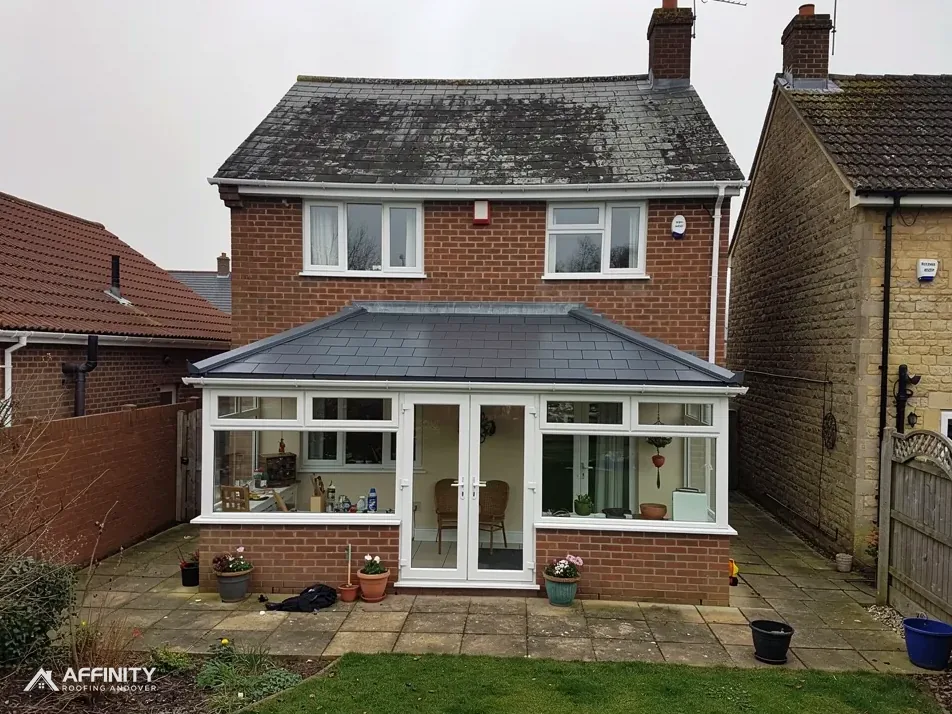
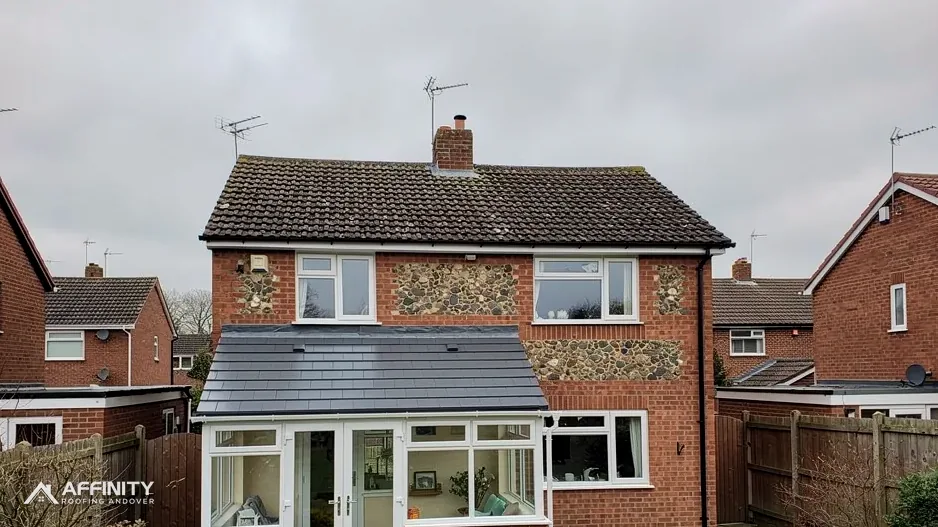
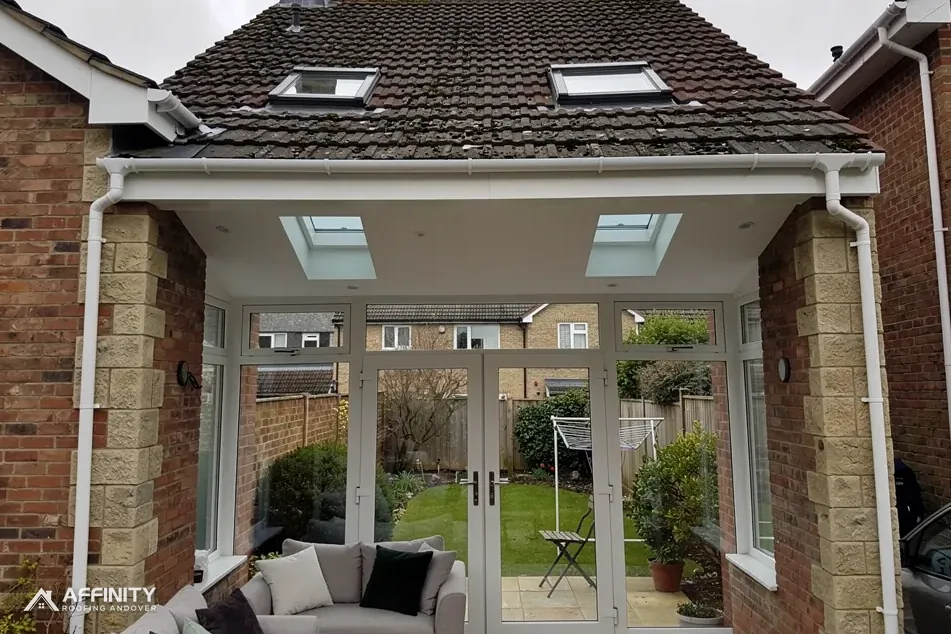
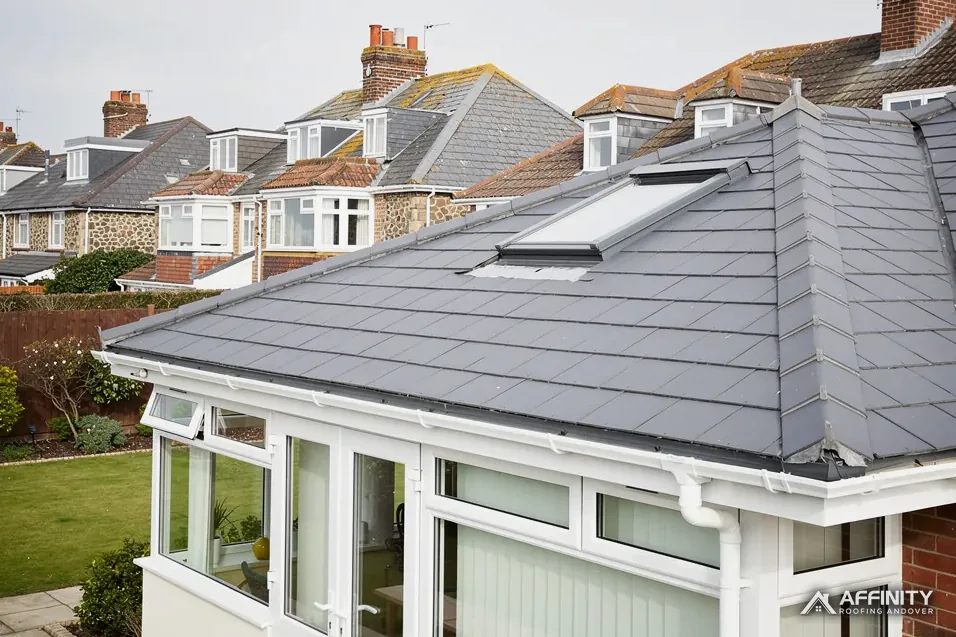
Persistent condensation on old glazing is often the reason owners ask about a replacement. Newer glazing units hold more heat on the inner face, so the surface stays above the point where droplets form. A solid insulated roof goes further, because the inside face is the plaster or lining, not the glass.
A solid roof needs thought, though. Approved Document C, paragraph 6.2, expects a roof to be built so that moisture condensing within its layers, called interstitial condensation, does not harm its strength or insulation. That is damp forming where you cannot see it. A badly detailed solid roof can trap damp in the build-up, so ventilation and the vapour control layer have to be right. A new solid roof must also comply with the Building Regulations, and your building control body will ask how the layers go together. Ask any roofer how the new roof will breathe, and what keeps warm room air away from the cold layers.
We read the bars, seals, vents and glazing on the survey, then quote a single written total for whichever fix suits the roof. Our guide to insulating a conservatory roof sets out the options, and the conservatory roofs page covers the wider job.