The short answer
MyJobQuote (Oct 2026) gives around £300 as the typical outlay for a roof survey, with a table showing bands of £100 to £200 and £200 to £350. Treat that as a national guide, not a figure from us. For the fee you should expect a close look at the roof, photographs of what is found and written findings you can keep, whoever carries it out.
The published survey figures
The nearest national guide is MyJobQuote, last updated in October 2026. Its headline figure is around £300 for a survey. A table beneath it splits the cost into a band of £100 to £200 and another of £200 to £350, so the spread is wide and the headline hides a lot of variation.
Those are national figures from a cost guide. They are not a quote, and they are not what any single firm charges. A survey in Andover could land below the lower band or above the upper one, depending on the roof and on what is being asked of the surveyor.
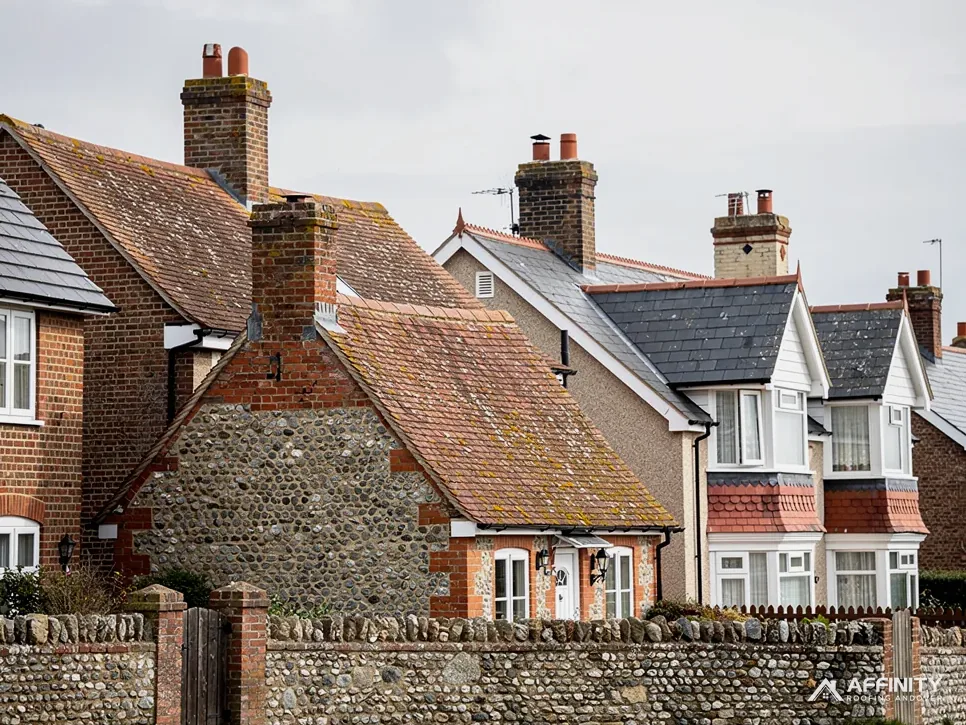
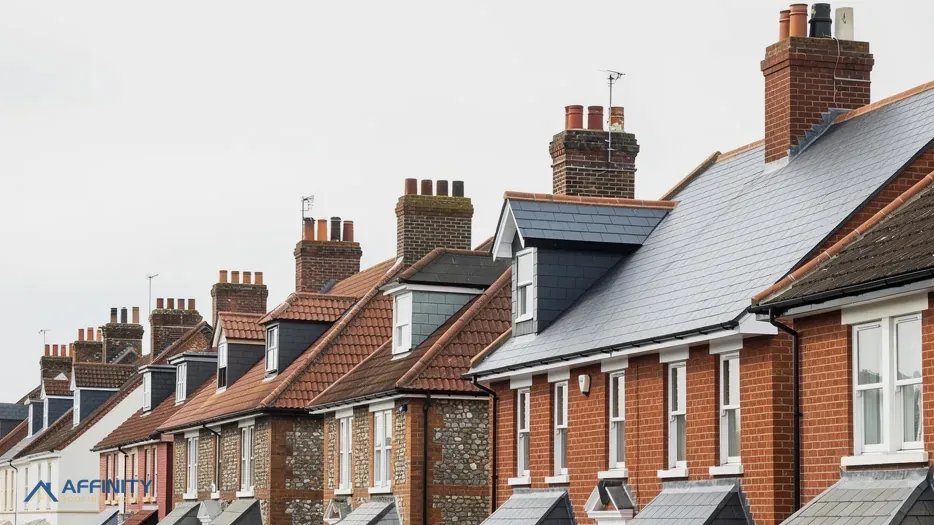
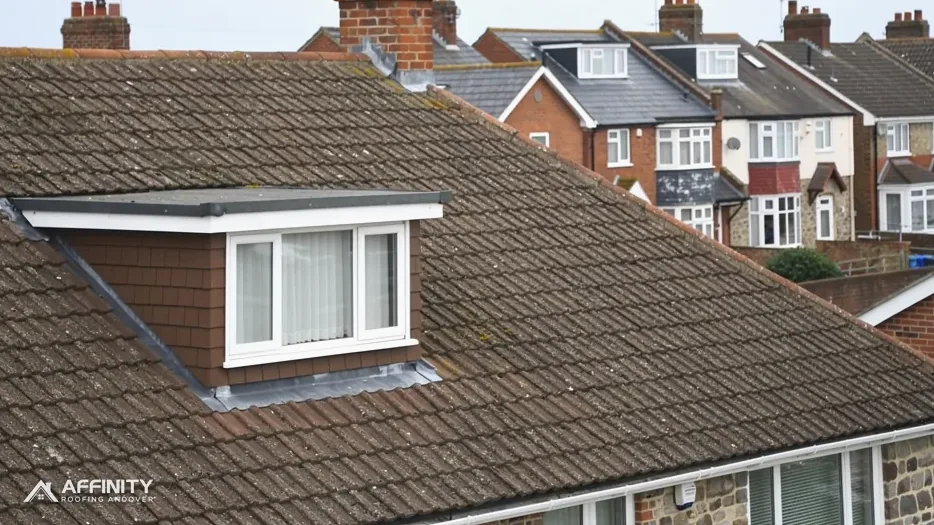
Several things push the figure up or down. A small bungalow with a simple pitch is quicker to look at than a large house with dormers, valleys and a chimney stack. A flat roof, a tall building or an awkward site calls for more time and more access equipment. A written report to give a mortgage lender or a solicitor takes longer than a verbal opinion.
It also matters who asks. A buyer wanting a pre-purchase view, a seller wanting evidence, and an owner chasing a leak all need slightly different things from the same visit.
Use the figures to judge whether a fee sits in a sensible range, and ask the firm what its fee covers.
What a survey should include
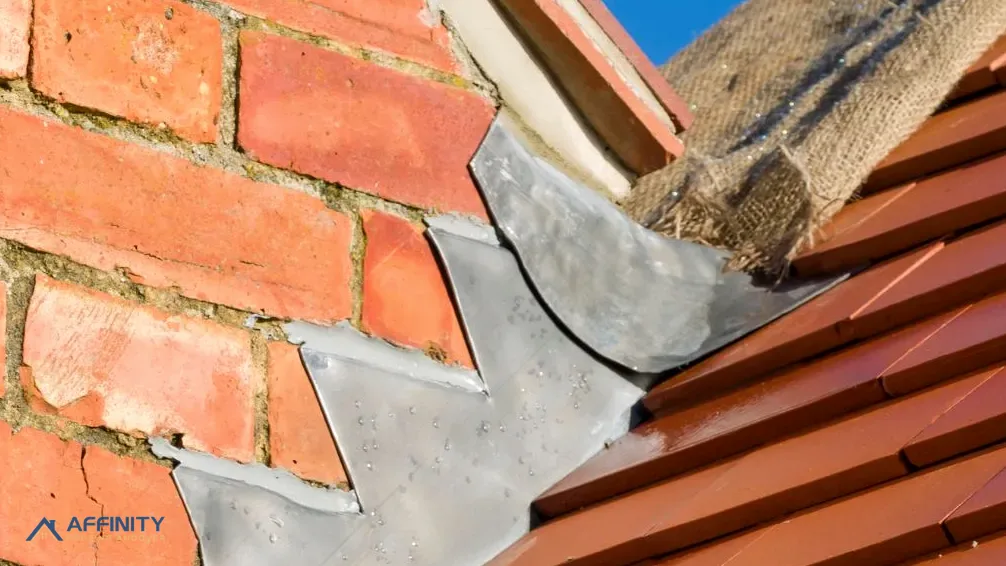
A useful survey starts outside. The surveyor looks at the whole roof from the ground, then gets close to the covering wherever it is safe to do so: the tiles or slates, the ridge and hips, the verges, the valleys, the flashings around chimneys and walls, and the gutters at the eaves.
Inside, the loft tells the other half of the story. Daylight where there should be none, damp timbers, stained underlay, wet insulation, poor ventilation and old leaks all show up from above the ceiling.
The output matters as much as the visit. You should receive photographs of what is found, so that you can see it for yourself, and written findings that name each fault, say what is causing it and describe what would put it right. A survey that ends in a verbal opinion and a handshake leaves you with nothing to show a second firm.
That is how our own surveys work: we photograph the roof, explain in plain words what the pictures show, and note which items are urgent, which can wait and which need only watching.
Ask any firm what the report contains before you book, and keep it. It becomes the starting point for every quote that follows, and it is useful evidence if a claim or a sale arises.
How the survey leads to a price
A survey does not cost the same as the roof work, and the two are separate. The roof itself is priced as one total, in writing, once the survey has shown what is wrong and what the right repair is. Prices given before anyone has looked at the roof are guesses.
The figure that follows reflects the covering, the size of the roof, how hard it is to reach, the number of problem spots and what is found beneath the tiles. All of those come out of the survey, which is why it comes first. Our answer on how many roofing quotes to get explains how to compare the results.
Some firms fold the cost of the survey into the job if you go ahead, and some charge it separately. Ask which applies before you agree, and get the answer in writing.
It is also fair to ask what you will be told if the answer is that nothing needs doing. A roofer who tells you the roof is sound is giving you something worth the fee, even though no work follows.
The written price comes after the survey, and the survey is the paper that explains it.
When a survey is worth paying for
Pay for one when you cannot tell what is wrong. A stain on a ceiling can trace back to a slipped tile, a split in the lead, a clogged gutter or condensation, and each needs a different repair. Guessing at the cause is expensive.
Pay for one before buying a house with an old roof, or before selling one. Our guide to roof checks when buying a house shows what to look for, and the answer on how often a roof needs a proper inspection sets out a sensible rhythm.
Pay for one when you have received a large quote and want to test it, or after storm damage when you need evidence for an insurer.
You can skip it when a visible problem is small and obvious, such as a single slipped tile you can see from the garden. Even then, a roofer on site will look at the area around it.
To see how a survey works in practice, the homepage sets out our process, from the first photographs to the final written price.