The short answer
There is no fixed interval set down for houses, so use a rhythm that fits the building. A yearly look from the ground, a check after any major storm, and a proper inspection before you buy or sell is a sensible pattern. A roofer's inspection goes further than a look from the garden, because it reaches the loft, the flashings and the fixings.
A sensible rhythm
No rule says a roof must be inspected every so many years, and anyone who claims one is guessing. What works in practice is a pattern of small looks and occasional proper ones.
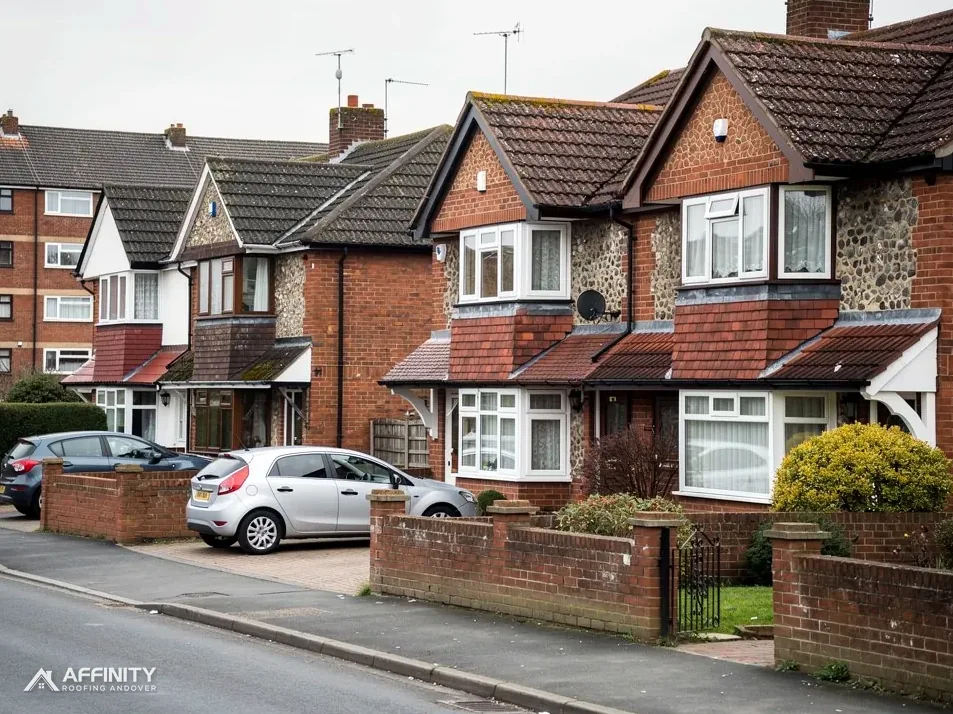
Once a year, take a slow lap of the house, looking at the roofline. Do it after leaves have fallen, when gutters are most likely to be full and the roof is easiest to see. Note anything out of line: a slipped tile, a gap at the ridge, a gutter hanging at an angle, moss in a patch.
After a major storm, look again. Wind lifts, and heavy rain gets in at, the weak point, and a problem found the next morning is cheaper than one found when the ceiling stains. Take photographs, because they help if you ever need to talk to an insurer.
Before you buy or sell, have the roof looked at properly. A seller who knows the condition can plan; a buyer who does not may be caught out.
Between those, a quick look in the loft with a torch will tell you more than you expect.
The rhythm is our suggestion, not a standard, and an older or more exposed roof may justify more attention.
What a look from the ground shows
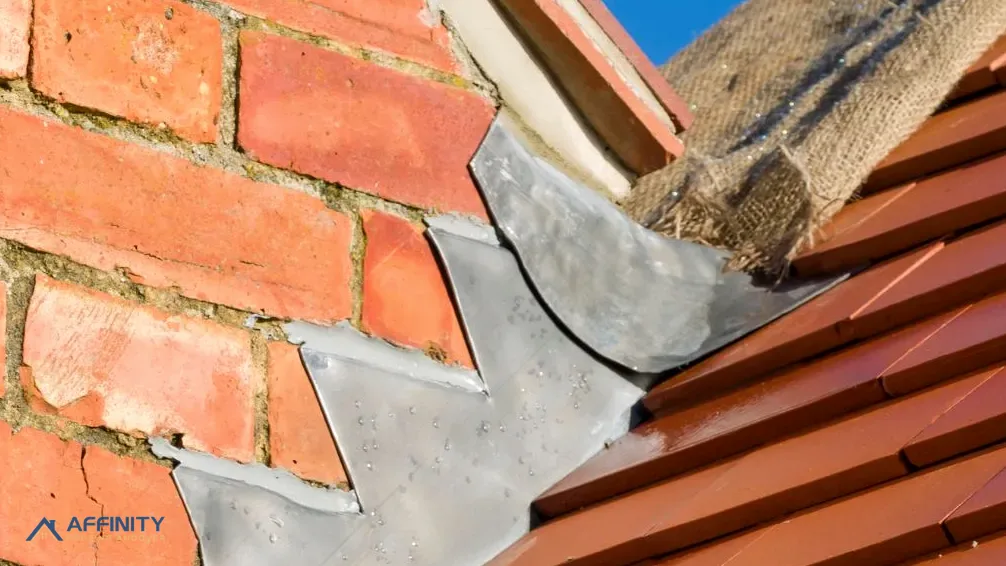
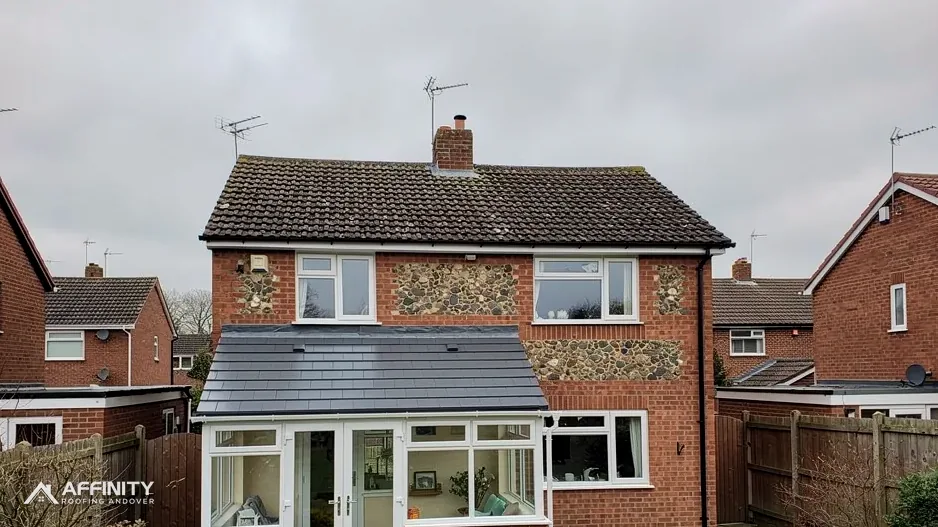
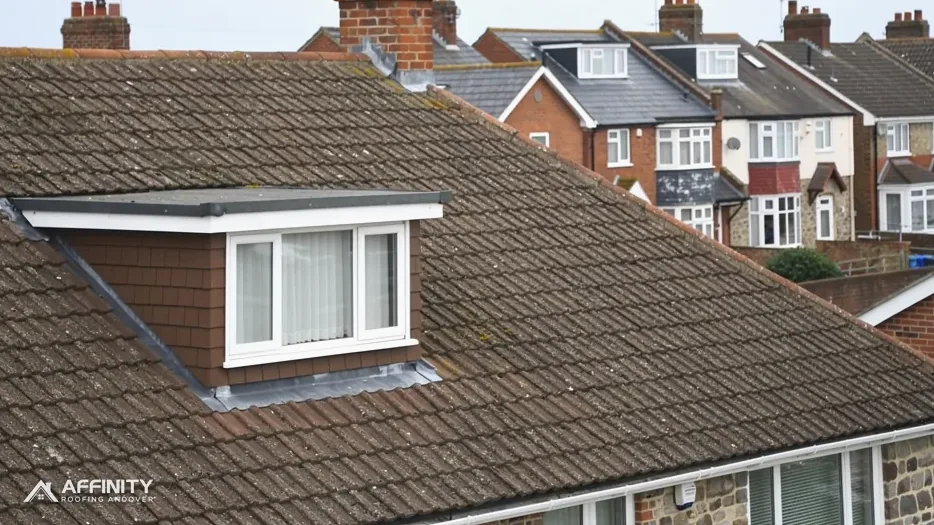
You can learn a lot without a ladder. From the garden or the pavement, look at the ridge line for dips, at the tiles or slates for gaps and cracks, and at the chimney for crumbling mortar or a leaning stack. Check the flashing at every wall junction, and the lead around the chimney.
Look at the roofline too: the fascias, soffits and gutters. Water running down a wall on a wet day usually means an overflowing or broken gutter. Peeling paint on a fascia can mean the board is wet behind it.
A pair of binoculars or a phone zoom brings the detail nearer. Take a photograph each year from the same spot and you build a record that shows change over time.
Inside, check ceilings and the tops of walls on the upper floor for stains and flaking paint. In the loft, look for daylight, damp patches, wet insulation and the smell of mould.
Do not go onto the roof yourself. Slate and old tiles are fragile and the fall is serious. Our yearly maintenance checklist covers the ground checks in more detail.
What a roofer's inspection adds
A ground check shows the surface. A roofer's inspection reaches what you cannot see: the condition of the battens and underlay, the fixings under the covering, and the lead, valleys and abutments. It also uses safe access, so the surveyor sees close up what you can only guess from below.
On our surveys we photograph the roof, including the loft, and explain what each picture shows. The photographs make the findings plain, and they sit alongside the written price, which leaves little to memory.
Not every inspection needs scaffolding. A low roof can be reached by ladder, while a high or complicated one needs a tower or full scaffold. The cost of access is one of the things that shapes the price.
The point of an inspection is to find a small problem before it becomes a large one: a slipped tile, a failed flashing or a split in a membrane. Ask what is urgent, what can wait and what should be watched. Our answer on what a roof survey costs explains what you get for it.
You are paying for an opinion backed by evidence, not for a sales pitch.
No fixed promise, and when to act early
Nobody can promise that a roof will last until the next inspection. Weather, age, earlier repairs and the way the roof was built all play a part, and a roof can change quickly in a bad winter, so treat any interval as a prompt and not as a guarantee of safety.
Do not wait for the calendar if there are signs. A new stain on a ceiling, a tile in the garden, water in the gutters after dry weather, daylight in the loft or a draught from the eaves all call for a check as soon as you can arrange one.
The age of the roof matters too. A covering near the end of its published range, or one that has had several patch repairs, deserves a closer look, and a quick comparison of repair against replacement while you are about it.
If you are buying, ask for an inspection before exchange, and read our guide to roof checks when buying a house for the list.
A roof that is looked at regularly is rarely a surprise. You can read how a survey works on the homepage.